By Allan R. Ellenberger
There are a few spots along Hollywood Boulevard where the past is so very much present as you stand outside the El Capitan Theater. From the sidewalk at 6838 Hollywood Boulevard, the building is a familiar sight to countless moviegoers down through the years with its marquee lit up advertising the latest Disney event. What you see on the outside is just the tip of the iceberg though. Inside the theater is an older Hollywood, an era of grand theatrical productions, of celebrated performers, of architectural splendor and of the theater as an event in itself.

On November 21, 2026, I got to look at that history on a very special behind the scenes tour put on by the Los Angeles Historic Theatre Foundation (LAHTF). They arranged an exceptionally thorough tour which took us well beyond the auditorium into areas which you don't normally get to see.
The event kicked off with a very informative talk by theater historian Mike Hume, after which there were four tours available for people to do at their own convenience. We went down into the basement under the stage, up onto the balcony, into the old projection booth (the one from when the theater was converted in the 1940s) and various other passageways and dressing rooms which demonstrated in a very tangible way how the building actually works. The foundation's docents, members and volunteers were all extremely knowledgeable, professional and friendly throughout and their enthusiasm was absolutely infectious.
The story of El Capitan goes back a century. At that time, Hollywood Boulevard was becoming the epicenter of the motion picture industry and a great deal of that was due to Charles E. Toberman. His projects included the Hollywood Roosevelt Hotel, the Hollywood Masonic Temple and in conjunction with Sid Grauman the Egyptian and the Chinese theaters.
In the mid-1920s, Toberman had another giant theater in mind, a different kind of theater. Instead of films it would be legitimate theater of the spoken word, musical comedy and touring Broadway shows for the increasing numbers of entertainment professionals and the affluent in Hollywood.
Construction got under way in 1925, on a site adjacent to the Hollywood Masonic Temple, near the corner of Hollywood Boulevard and Highland Avenue. The finished complex comprised a six-story commercial building and an elaborate auditorium behind it. The architecture was Morgan, Walls & Clements, with Stiles O. Clements as the principal designer, and the building was a very imposing example of Spanish Baroque with a great deal of richly detailed cast concrete and decorative ironwork.
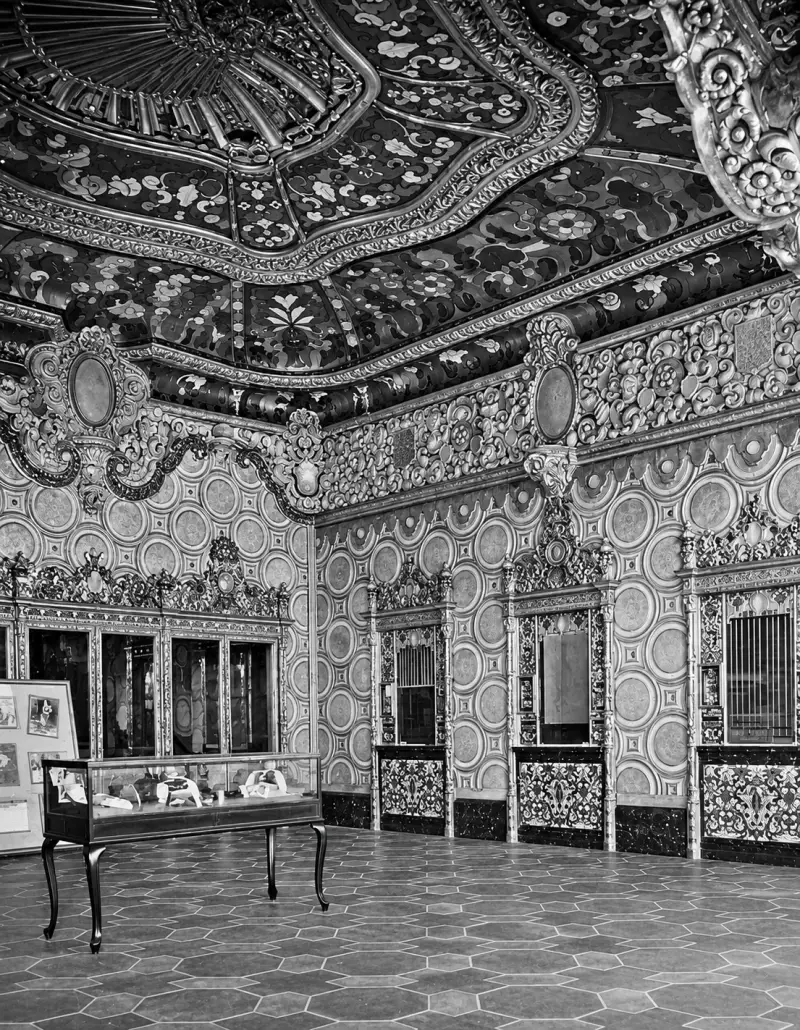
For the auditorium, Toberman went to the well-known theater architect G. Albert Lansburgh who opted for an East Indian inspired decorative scheme which was a very marked contrast to the Spanish character of the exterior. Hollywood audiences were used to fantasy on the screen and Lansburgh felt that the theater itself should be just as much of a fantasy.

Charles E. Toberman (1880–1981), known as the “Father of Hollywood,” developed the El Capitan Theatre, which opened in 1926 as Hollywood’s premier stage playhouse.
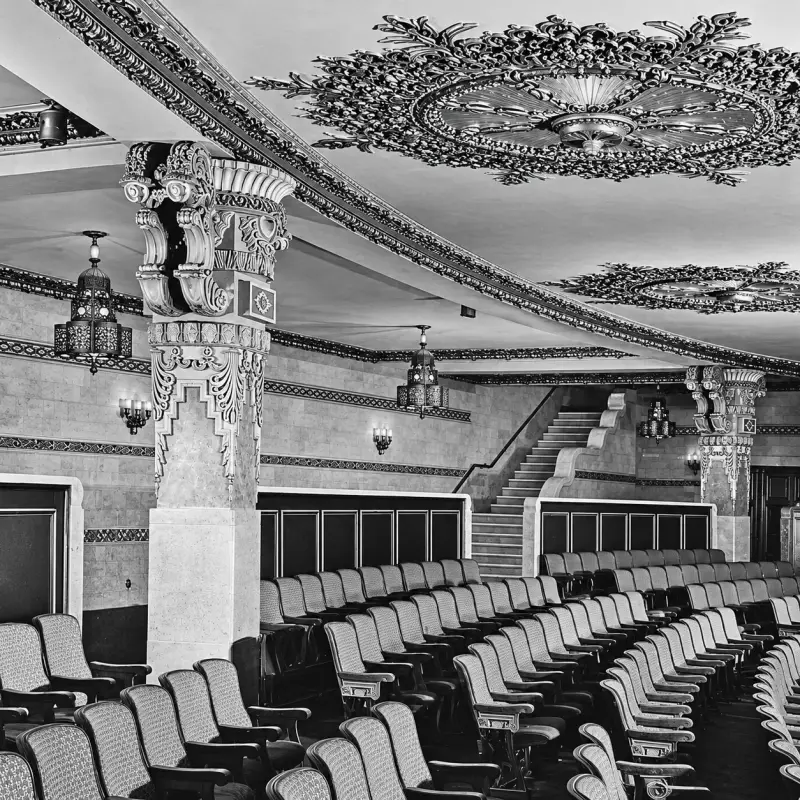
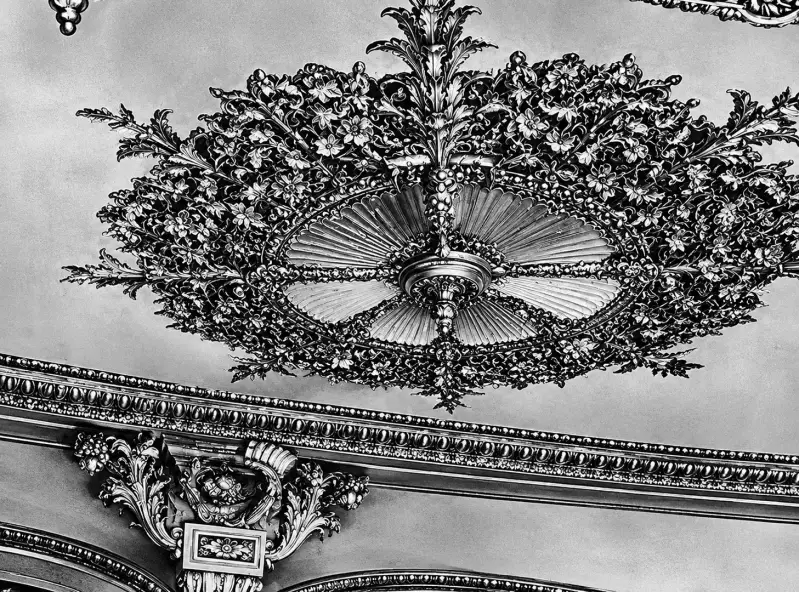
The auditorium was very grand with elaborate plasterwork, decorative balconies and opera boxes, a magnificent proscenium and a very large amount of backstage space. Giovanni Smeraldi was responsible for the interior decoration. The whole theater and commercial building reportedly cost $1 million.

The El Capitan Theatre still under construction, but nearing completion in early 1926, shortly before its grand opening on May 3, 1926.
The El Capitan officially opened on May 3, 1926, with Charlot's Revue of 1926, starring Gertrude Lawrence, Jack Buchanan and Beatrice Lillie. It was capable of accommodating some 1,550 people and was at that point the largest legitimate theater in Hollywood. It was a significant step in the cultural development of the community.
Over the next 15 years, the theater presented well over 120 productions and featured such names as Clark Gable, Henry Fonda, Fanny Brice and Will Rogers. The stage was a real reflection of the Hollywood/Broadway connection with film producers, directors and studio heads regularly in the audience.
The commercial side of the building developed its own identity. Barker Brothers (one of the big furniture houses in Southern California) took a large amount of space in 1927, and the El Capitan became a significant part of the burgeoning shopping district along Hollywood Boulevard.
The Great Depression did of course change the economics of live entertainment. Touring theater was very expensive, and films were a much cheaper form of entertainment for the audience.
By the end of the 1930s, the El Capitan's future as a proper theater was in serious doubt. Its next chapter would be the making of one of the most controversial films ever made. In 1941, 25-year-old Orson Welles was preparing to launch his first feature film, Citizen Kane. The film's very much in the vein of William Randolph Hearst and that in itself caused a tremendous amount of opposition. Hearst's newspaper empire was very much in a position to suppress the publicity, and the major theater owners were quite reluctant to get involved.


The El Capitan came up with a solution. A motion picture screen was fitted, and on May 8, 1941, Citizen Kane had its Hollywood premiere at the theater, following its New York opening earlier that month. It was one of the most significant events in the history of the theater and proved unequivocally that it could be a viable permanent motion picture house.
During 1941 and into early 1942, the auditorium was given a complete modernization. A great deal of Lansburgh's ornate decoration was swept away under drapes, partitions and modern finishes as the theater was reconfigured into the fashionable Streamline Moderne style. The good news was that a significant amount of the original decoration was simply hidden rather than removed and that would prove to be a very useful fact many decades later.

On March 18, 1942, the building re-opened as the Hollywood Paramount Theater, showing Cecil B. DeMille's Technicolor adventure Reap the Wild Wind, starring John Wayne, Paulette Goddard and Ray Milland. The El Capitan name was then transferred over to the Hollywood Playhouse on Vine Street, a complication which occasionally confuses the would-be researcher poring over old theatrical ads. The original building of course remained as the Paramount for nearly fifty years.
In the postwar years, the theater was home to a number of major premieres and first run attractions including War and Peace (1956), Gigi (1958) and The Music Man (1962). It was a familiar Hollywood marquee, and generations of audiences came to see the films in an auditorium whose original grandeur was pretty much all but invisible.
The building also went on to become part of Hollywood's visual history, appearing in The Legend of Lylah Clare (1968). It's of course the same building which, decades later, was used as the Muppet Theater in The Muppets (2011) following its restoration.
By the 1970s and 1980s, Hollywood Boulevard had changed quite a bit. A lot of the grand theaters were in a state of decline, and some had actually been knocked down or extensively altered. The Paramount was long gone as a glamorous proposition. It closed in 1988, and its future was very much in doubt.
Fortunately, the burgeoning Hollywood preservation movement recognized the building's significance. The Walt Disney Company and Pacific Theaters got the building restored in 1989 under the direction of well-known theater designer Joseph J. Musil with the assistance of preservationists and architects.
As the workers were going through the auditorium, they found that quite a bit of the 1926 decorative scheme had survived behind the later alterations. You could see the ornamental plasterwork, the architecture and indeed substantial parts of Lansburgh's interior.
The project was effectively an architectural excavation with later materials being removed, the surviving decorative elements restored and the missing elements carefully reconstructed.
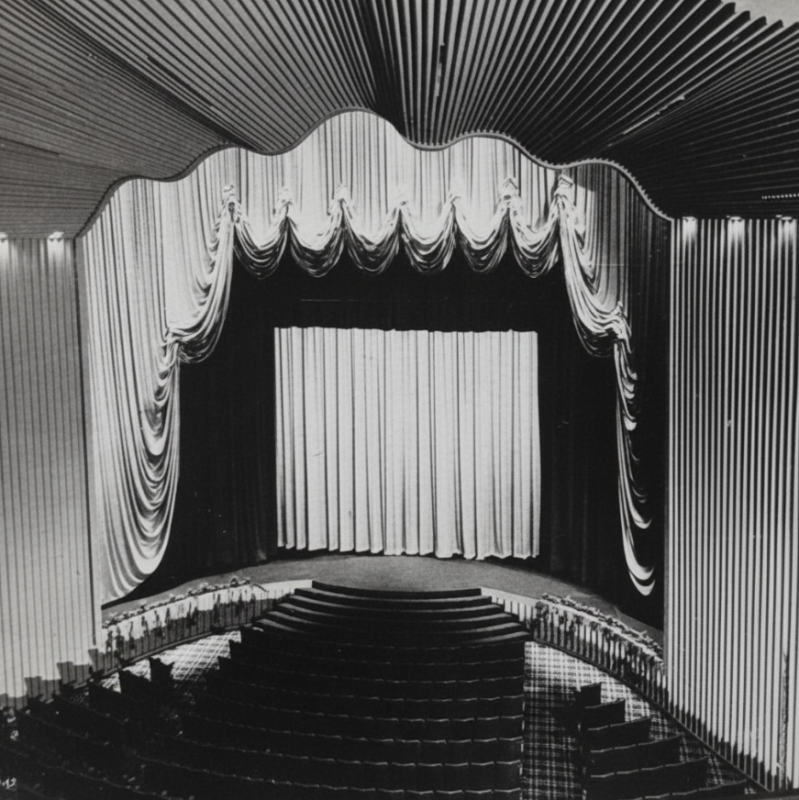
Above, the El Capitan Theatre's stage following its 1942 renovation. Below, the redesigned marquee and entrance, reflecting the theater's transformation into the Hollywood Paramount.

Original colors and ornamental patterns were studied and recreated so that the theater's truly remarkable East Indian inspired interior could be brought back. The Los Angeles Historic Theatre Foundation were instrumental in the preservation of the building, helping to identify and promote the surviving historic features.
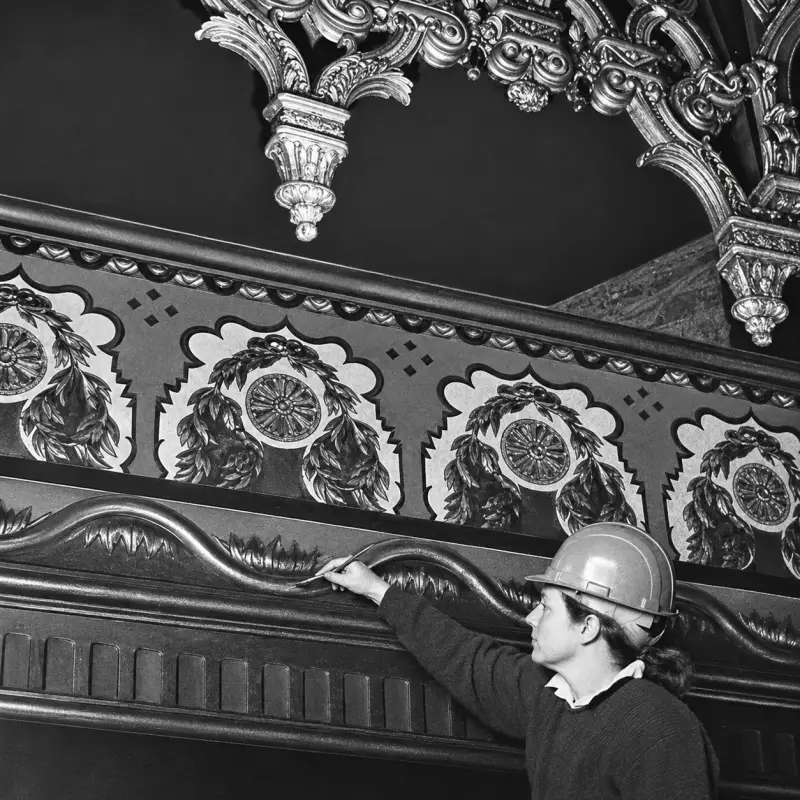
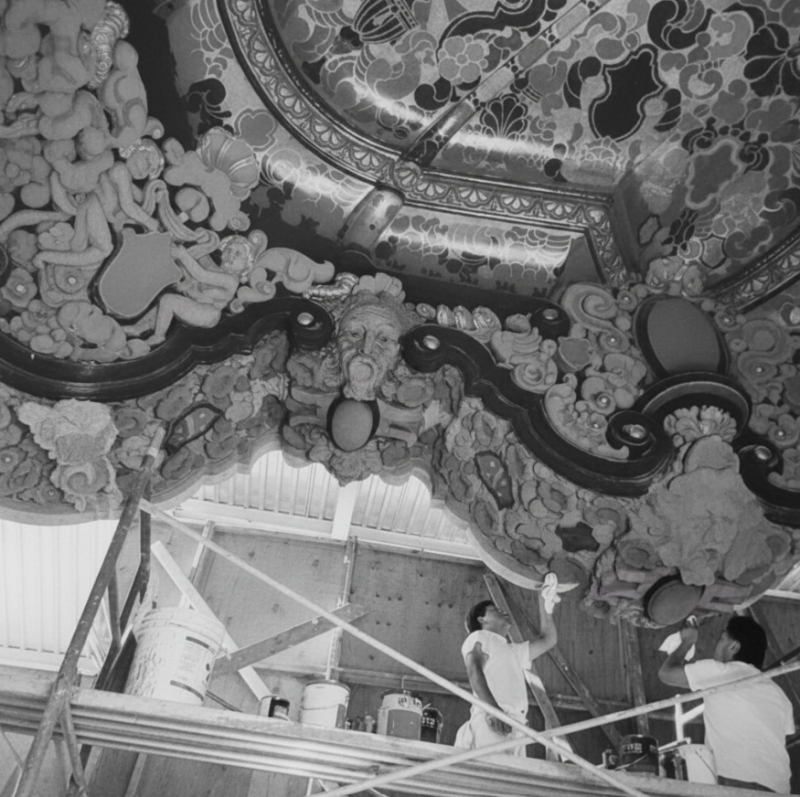
Photos documenting the El Capitan Theatre’s extensive 1989–1991 restoration, during which decades of alterations were removed to reveal and recreate its original 1926 architectural splendor.
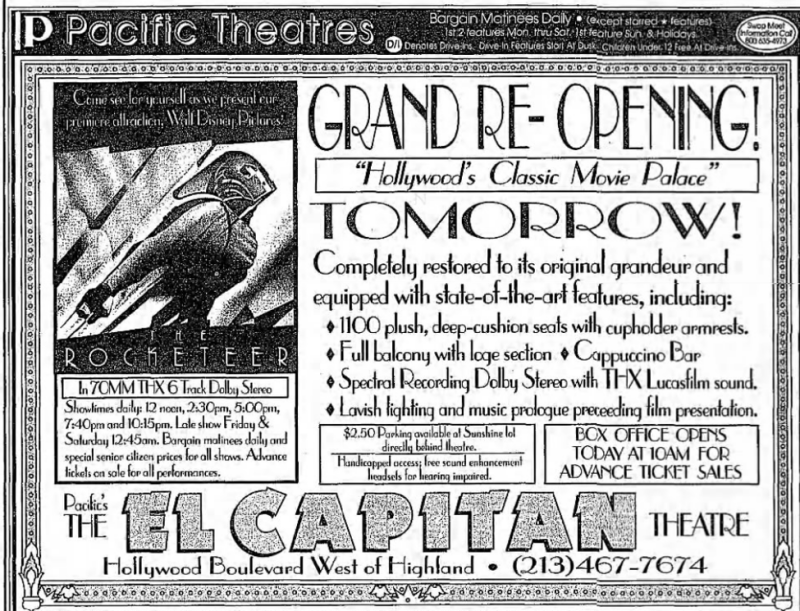
The restoration cost about $6m and took just under two years. Seating was reduced to around 998 to improve the comfort of the audience and to meet modern requirements without in any way compromising the grandeur of the auditorium.
On June 19, 1991, the restored El Capitan did its world premiere of Disney's The Rocketeer, starring Billy Campbell, Jennifer Connelly and Timothy Dalton, and the public reopening was on June 21. Hollywood had got back one of its most beautiful theaters and the El Capitan name was back on the boulevard.
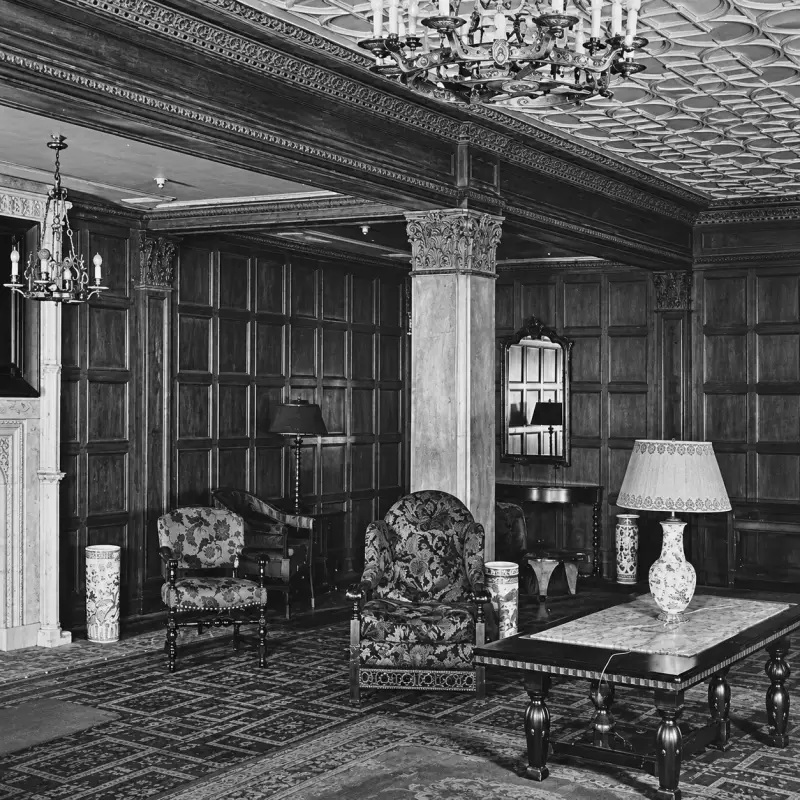

Above, two views of the same room, photographed a century apart. Note the original chandeliers, preserved through the years.
One of the theater's real gems is the magnificent Wurlitzer pipe organ. It's a four manual, 37 rank instrument (Opus 2012) which was originally built in 1928 for San Francisco's very grand Fox Theater and installed there in 1929.
Over 2,500 pipes and a most unusual array of musical effects in all, the organ survived the demolition of the San Francisco Fox in the 1960s and eventually found a new home at El Capitan. On our visit it was a very interesting demonstration of the mechanical complexity of an instrument which could quite easily have provided the sound of an orchestra to the auditorium.


Above, the El Capitan Theatre’s magnificent four-manual Wurlitzer pipe organ, originally installed at San Francisco’s Fox Theatre in 1929. Next to that, a close-up of the original Fox Theatre crest decorating the organ’s ornate console, a reminder of its remarkable history.
The back of the house was just as revealing. The old projection booth was a very real reminder of the Paramount days and the basement and working areas were a perfect illustration of the practical engineering that went on behind the beautiful facade of the auditorium.
Today El Capitan is still Disney's principal Hollywood theater, showing new releases, classic films, premieres and special events. The programming is very much in the tradition of the great movie palaces of Hollywood with a regular mix of films and live entertainment and theatrical effects.
The building is a designated Los Angeles Historic-Cultural Monument and is part of the Hollywood Boulevard Commercial and Entertainment Historic District (NRHP listed). Further restoration work has been carried out, including on the exterior ticket lobby, to help preserve its historic character.
As the El Capitan hits its centenary in 2026, its very survival is impressive. So many of the theaters of Hollywood have simply vanished or lost the very details that made them so special. The El Capitan has been through a huge transformation, but a great deal of the original character has been restored and it's still a theater in the sense that it's a place of entertainment.
For me the November 21, tour was more than just an architectural tour. It was a reminder that Hollywood history doesn't just exist in the photographs, the newspapers and the studio records. It's still there, it's still present, in some cases literally behind a wall, in some cases literally underneath a stage, and in others it's still there high up in a projection booth that's seen it all.

The Los Angeles Historic Theatre Foundation absolutely deserves kudos for making experiences like this possible. The docents are knowledgeable, the volunteers are committed and the members are absolutely on board. It's a fantastic way of bringing the buildings to life and it's a great reminder of why we need to preserve these places. If you're at all interested in Los Angeles architecture, in entertainment history, in the history of the movie palaces that still exist in Hollywood, you should definitely consider getting involved with the Foundation.
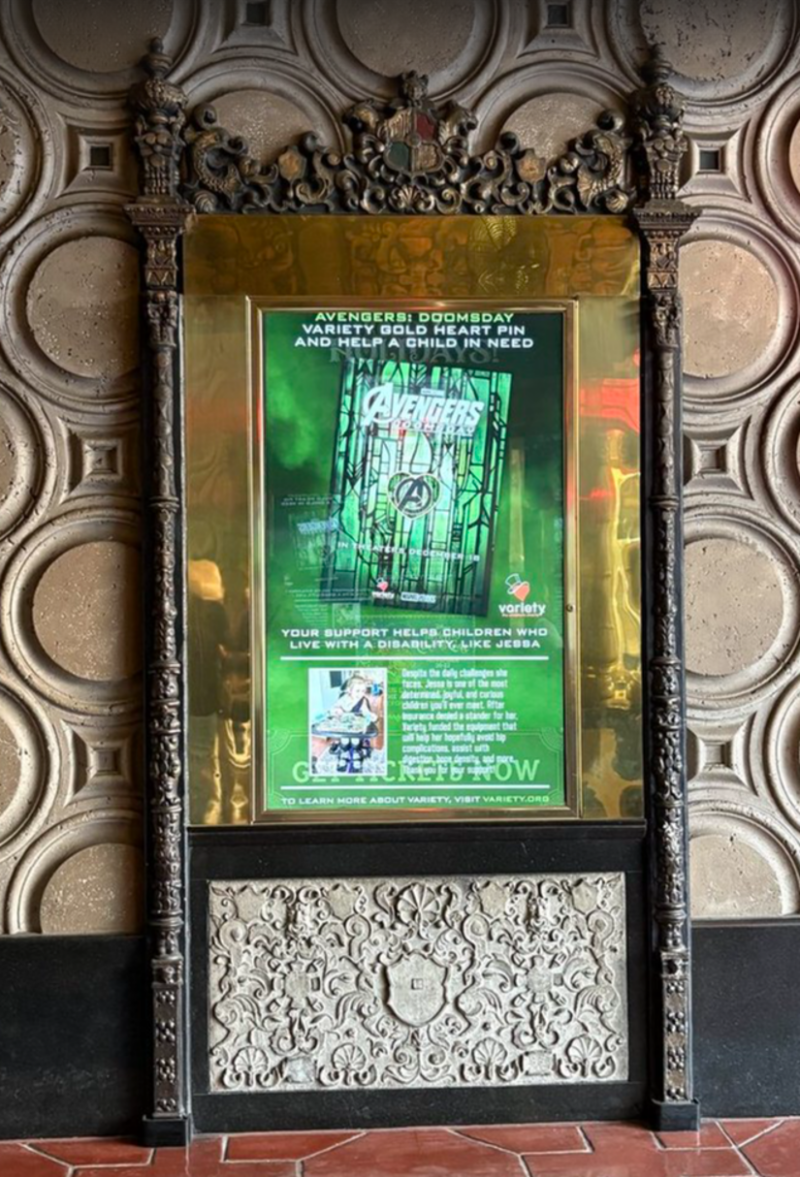
A century after it opened its doors to the stars of Charlot's Revue, the El Capitan is still quite literally what Charles Toberman and G. Albert Lansburgh intended it to be: a place where you can leave the world as it is and step into a world created through the power of art, imagination and showmanship.
Hollywood has changed almost beyond recognition since 1926. Remarkably, the El Capitan is still there, its lights burning brightly and another generation of audiences gathering beneath its marquee.
Interested in helping preserve Los Angeles's magnificent historic theaters? Consider supporting or becoming a member of the Los Angeles Historic Theatre Foundation (LAHTF). Your support helps protect these architectural treasures and keep their remarkable histories alive. CLICK HERE to learn more and get involved!
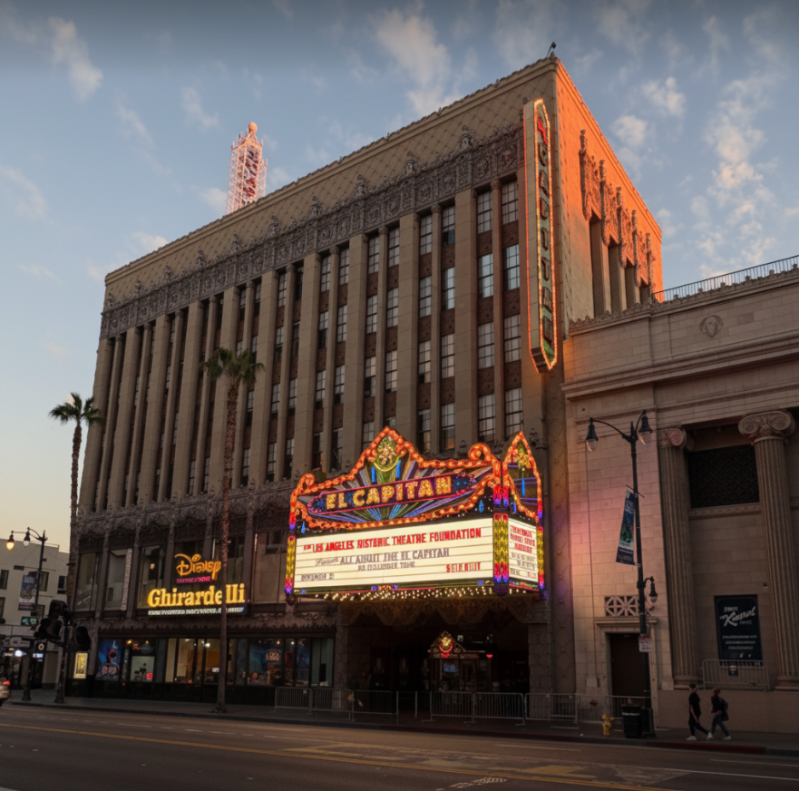
From its grand opening in 1926 as a legitimate stage theater to its years as the Hollywood Paramount and its spectacular restoration, the El Capitan Theatre has witnessed a century of Hollywood history. Have you attended a performance or seen a film there? Perhaps you remember it during its Paramount years. I'd love to hear your memories and impressions! Please leave a comment, rate the article, and share it with fellow Hollywood history and theater enthusiasts. Your support helps keep the stories of these remarkable landmarks alive!
Add comment
Comments