

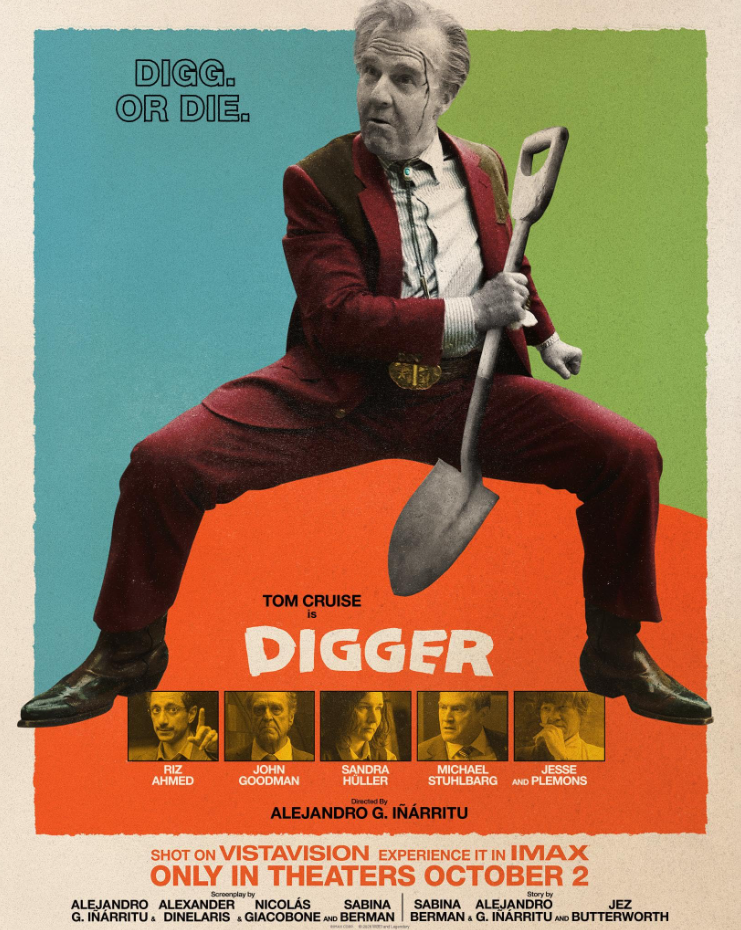
The news surrounding Tom Cruise’s new film Digger has not been kind. Directed by Alejandro G. Iñárritu, the dark, satirical comedy arrived with a massive budget, one of the world’s biggest stars, and the prestige of an Oscar-winning filmmaker. Yet its opening weekend was dismal: about $8 million in North America and $20 million worldwide, against a production budget reported at roughly $160 million to $180 million, plus an estimated $100 million in marketing. Reviews were sharply divided, audience reaction was weak, and the film earned a C+ CinemaScore. By almost any conventional measure, Digger has opened as a major financial disappointment. But box office is not the same thing as posterity.
By Allan R. Ellenberger

Remember that before Digger is permanently stamped with the word “flop.” Hollywood history is filled with films that were mocked, dismissed, ignored, or financially disastrous at release, only to be rediscovered years later by critics and audiences who saw something the original viewers did not. Some eventually became respected cult films. Others went much further and are now routinely called masterpieces.
Could that happen to Digger? No one can know. The film may remain an expensive miscalculation. But history offers enough examples to make the question legitimate. One of the most remarkable is Charles Laughton’s The Night of the Hunter (1955). Today, Laughton’s dark, dreamlike tale of murderous preacher Harry Powell, played by Robert Mitchum, is considered one of the great American films of the 1950s. Its expressionistic photography, fairy-tale atmosphere, and unforgettable images of “LOVE” and “HATE” tattooed across Mitchum’s knuckles have become part of film history. On its original release, however, the picture failed with critics and audiences alike. The disappointment was severe enough that Laughton never directed another feature. The British Film Institute now ranks it among the finest films of its period and describes its original reception as both a critical and commercial failure.
Alfred Hitchcock experienced something similar with Vertigo (1958). The film was not universally despised, but its initial reception was decidedly mixed, and the public did not embrace it with the enthusiasm given to some of Hitchcock’s other thrillers. Contemporary critics complained that it was slow, implausible, and overworked. One New Yorker critic dismissed it as “far-fetched nonsense.” Yet its reputation steadily grew over the decades. By 2012, Vertigo had displaced Citizen Kane at the top of Sight & Sound’s prestigious critics’ poll of the greatest films ever made. A movie that puzzled and disappointed many viewers in 1958 had become, for a generation of critics, one of cinema’s supreme achievements.



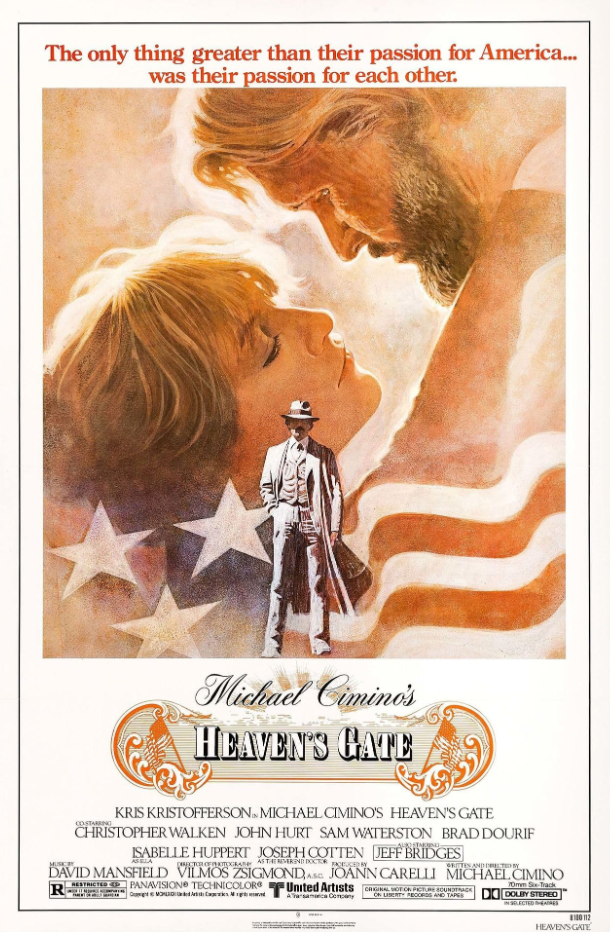
Then there is Michael Cimino’s Heaven’s Gate (1980), perhaps Hollywood's most notorious disaster. Originally budgeted at about $7.5 million, Cimino’s epic western eventually cost roughly $44 million and earned only around $3.5 million domestically. The reviews were savage. The production became shorthand for runaway directorial excess, and its failure damaged both Cimino’s career and United Artists. For years, Heaven’s Gate was discussed less as a film than as a cautionary tale.
But time changed the conversation. Restored versions allowed audiences to see something closer to Cimino’s original vision, and critics began reassessing the film’s extraordinary photography, scale, and melancholy view of American history. Criterion eventually issued a director-approved restoration and described it as a visionary western whose beauty and emotional force the scandal surrounding its release had obscured. It may never completely escape its reputation as a financial catastrophe, but it is no longer casually dismissed as worthless.
Two years later, Ridley Scott’s Blade Runner (1982) suffered its own troubled debut. The film opened to mixed reviews and weak box office, failing to recover its roughly $28 million budget during its original theatrical run. Some audiences found it slow and confusing, and the studio imposed a voice-over and more upbeat ending after poor test screenings. But home video changed everything. Viewers kept returning to its rain-soaked Los Angeles, its philosophical questions about humanity, and its astonishing visual design. Later director’s cuts removed the compromises forced on the original release, and Blade Runner gradually became one of the most influential science-fiction films ever made.
Released the same summer, John Carpenter’s The Thing endured an even harsher response. Critics attacked its gore and grotesque practical effects, while audiences in the mood for the warmer extraterrestrial encounter of E.T. largely stayed away. The film was considered a disappointment and Carpenter’s reputation suffered. Today the reversal is almost complete. The BFI describes The Thing as a groundbreaking sci-fi horror film, now acknowledged as a classic of both genres, praised for its atmosphere, paranoia, practical effects and bleak ambiguity.


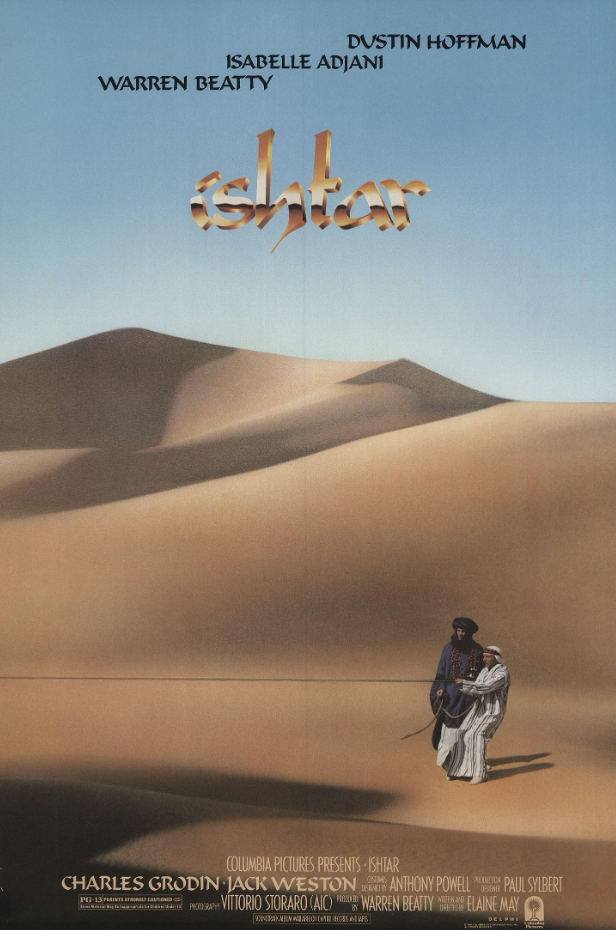
Another film once synonymous with failure is Elaine May’s Ishtar (1987). Starring Warren Beatty and Dustin Hoffman, the comedy drew hostile press coverage before most people had even seen it. Stories about its budget and troubled production created a narrative of disaster that followed the film into theaters, where reviews and box office were poor. Decades later, serious critics began looking again. Richard Brody of The New Yorker argued that Ishtar had been unfairly turned into a symbol of Hollywood excess. At the same time, Sight and Sound later praised it as a misunderstood comedy with a sharper political and comic intelligence than its reputation suggested.
Even Paul Verhoeven’s Showgirls (1995) has undergone a remarkable transformation. Upon release, it was widely ridiculed, its dialogue and performances mocked, and its commercial performance was disappointing relative to its notoriety. For years it was treated almost exclusively as campy bad cinema. Then audiences and critics began reconsidering Verhoeven’s deliberately exaggerated vision of Las Vegas, celebrity and exploitation. The BFI now includes Showgirls among notable films of the 1990s and acknowledges the substantial critical reassessment that followed its initial humiliation.
What these films share is not that critics were always “wrong.” Sometimes the original versions genuinely had problems. Sometimes poor marketing, bad timing, impossible expectations, studio interference, or hostile publicity affected the reception. Sometimes cultural tastes changed. Home video, repertory screenings, restorations, and streaming allowed people to encounter these films outside the pressure of an opening weekend and judge them on their own terms.

That is where Digger becomes interesting. Its current problems are real. The budget is enormous for an eccentric, R-rated satire. Critics have called it everything from “baffling” and “unpleasant” to brave and fascinating, and even its admirers acknowledge that it is hardly conventional entertainment. Cruise’s performance is a departure from the polished action hero audiences have become accustomed to.
Perhaps Digger will look just as misguided twenty years from now as some viewers think it looks today. But perhaps its excesses, strange tone and refusal to behave like a normal Tom Cruise vehicle are exactly what future audiences will find interesting. Opening weekends measure popularity. They do not measure longevity.
Hollywood has learned that lesson repeatedly. The Night of the Hunter failed and became a masterpiece. Blade Runner disappointed and became a landmark. The Thing was attacked and became a horror classic. Heaven’s Gate became synonymous with catastrophe, then found serious defenders.
So, while Digger may be one of 2026’s biggest financial disappointments, its final verdict hasn't been written yet. Sometimes the movies that survive are the ones nobody knew what to do with the first time around.
If you enjoyed my commentary, I’d love to hear what you think. Please leave a comment, rate the article, and share it with fellow film lovers. Do you think Digger could be reassessed years from now, as happened with films like Blade Runner, The Thing, and The Night of the Hunter? Your comments, ratings, and shares help The Hollywoodland Revue reach more readers and keep the conversation about film history going.
Add comment
Comments