

Believe it or not, until this afternoon, I had never seen Stanley Kubrick's The Shining (1980). For more than four decades, I somehow managed to avoid one of the most celebrated horror films in movie history. Of course, I was familiar with its reputation and had seen occasional clips over the years, particularly the famous sequence in which Jack Nicholson smashes through a bathroom door and announces, “Here's Johnny!” But beyond that, I knew surprisingly little about the story. When the opportunity came to see it on the big screen at the American Cinematheque, I decided it was time to discover what all the excitement was about.
Reviewed by Allan R. Ellenberger
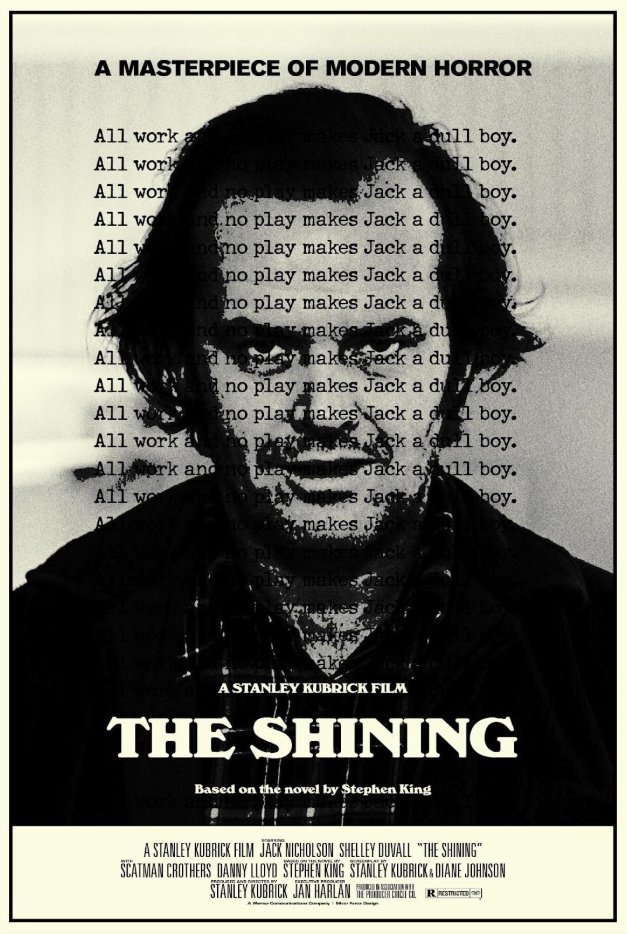
I went in thinking I'd be frightened, possibly even terrified. What I wasn't expecting was to spend the first half of the film largely in a state of anticipation as to when something was going to happen. Kubrick's pace was absolutely deliberate, and I was caught completely off guard by the very cerebral way in which he was constructing a horror film. It was a very disturbing atmosphere to be in, though at times I found it more exasperating than frightening. By the second half though my reaction had completely changed and I was absolutely on the edge of my seat, completely engrossed in the increasingly horrific things that were happening in the Overlook Hotel.
Released by Warner Bros. on May 23, 1980, The Shining was the film adaptation of Stephen King's hugely successful 1977 novel. Kubrick, who was already one of the most demanding directors in the business having made 2001: A Space Odyssey (1968), A Clockwork Orange (1971) and Barry Lyndon (1975), worked with novelist Diane Johnson on the screenplay. Rather than a standard haunted house thriller it was a psychological nightmare in which the line between reality, madness and the supernatural starts to blur.
The story is about Jack Torrance (Jack Nicholson), a somewhat unsuccessful writer and recovering alcoholic, taking on the job of winter caretaker at the remote Overlook Hotel in the Colorado Rockies. He's with his wife Wendy (Shelley Duvall) and their son Danny (Danny Lloyd). The hotel is closed for the season and all the guests and staff have gone, so Jack figures it's the perfect opportunity to get the peace and quiet he needs to get his writing done. What he doesn't realize is that he's going to be trapped in a massive, apparently empty building whose dark history is going to have a very disturbing effect on the people who end up in it.
Danny has what is effectively a psychic ability (the 'shining') which enables him to see into the past and into the future. The hotel cook, Dick Hallorann (Scatman Crothers), is the first to recognize Danny's gift and gives him a number of warnings about certain parts of the hotel, especially Room 237. Jack is clearly descending into madness and is becoming more and more unpleasant to both his wife and his son. Whether it's the supernatural, his own mental state or some mixture of the two which is causing his breakdown is one of the questions Kubrick deliberately doesn't answer.
What struck me most was just how much time Kubrick spends establishing the geography and ambience of the hotel. We watch Danny riding his little tricycle through what seems like an infinite number of corridors, the sound of the wheels on the floor (hard wood one moment, carpet the next). We see Jack sitting all by himself at his typewriter, presumably working on his manuscript. The camera moves through enormous, beautifully appointed rooms which are utterly devoid of life despite their splendor. For a very long time it's the building that Kubrick is interested in rather than the horror of it.
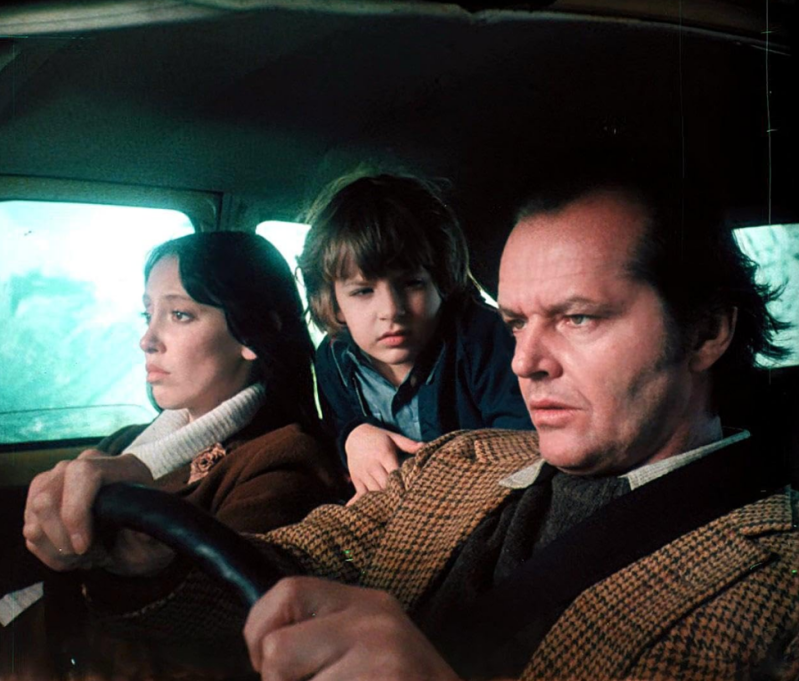
In hindsight I can see what Kubrick was after. The Overlook isn't just a setting, it's practically a character in its own right, a huge architectural entity which slowly becomes more and more oppressive. The photography of John Alcott and the production design of Roy Walker create an atmosphere which is both sumptuous and menacing. Garrett Brown's use of the Steadicam is revolutionary in that it gives the camera a ghostly ability to move with the characters through the hotel corridors. A lot of the film was actually shot at Elstree Studios in England, and the famous exterior of the Overlook was provided by Timberline Lodge in Oregon.
I still think the first half could have been a bit brisker. Kubrick's method is to create a sense of dread and it works, but at times I was just sitting there waiting for the story to get going. Once Jack starts to go properly mad though, all that restraint is absolutely worth it. The tension really builds and by the time Wendy realises what the hell is going on with her husband's so-called writing the film is genuinely scary. From that point on you're absolutely in it.
Nicholson is absolutely superb in the role, completely transforming Jack Torrance from the irritable, sarcastic husband we first see him as into a genuinely terrifying character whose descent is so complete that you can see it happening right before your eyes. His expressions, his movements, his outbursts are all so well-known through so many imitations over the years that you quite easily forget what a genuinely disturbing sight he must have been to the audience in 1980. There are moments though where he is absolutely out of his mind from the very first appearance and you have very little of that slow, gradual descent that the story is supposed to be about.


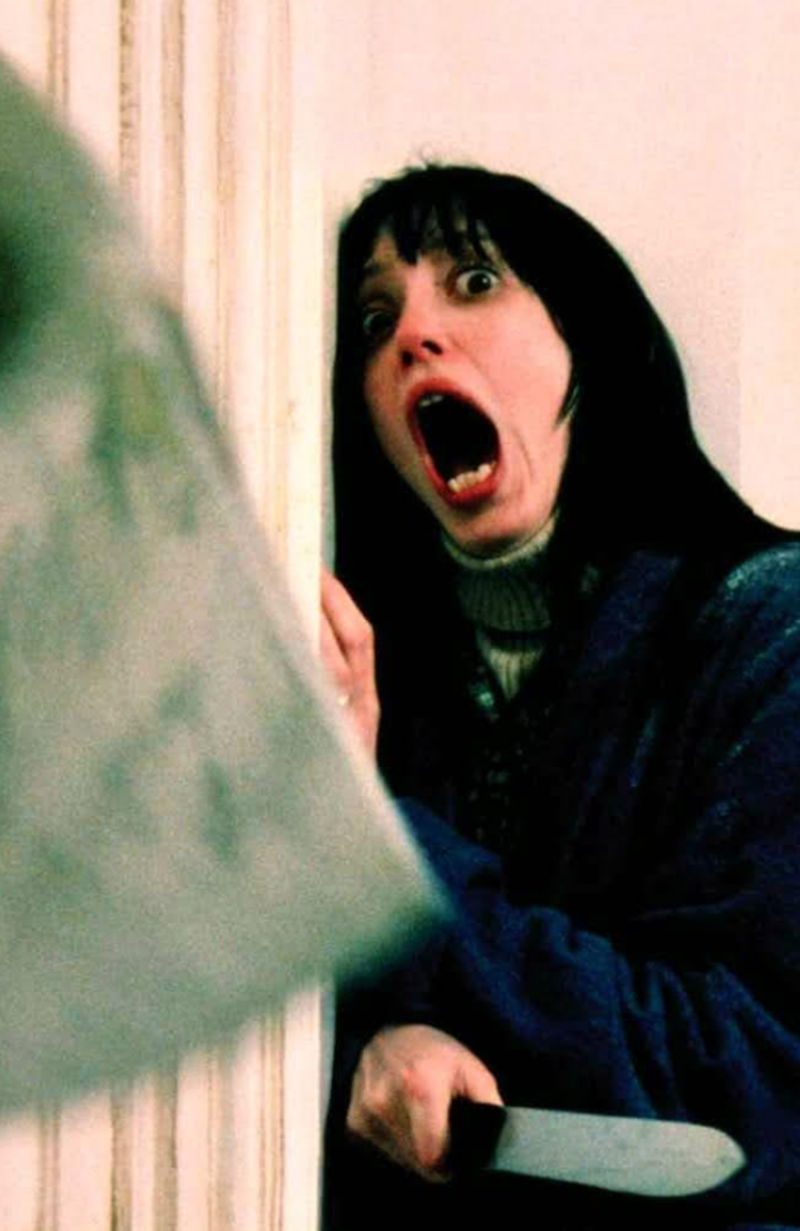
Shelley Duvall is just as good as Wendy, a woman desperately trying to shield her son as she comes face to face with a husband she no longer recognizes. It's a performance which is utterly draining to watch, particularly in the film's final act. You can feel the terror in her voice, in her face and in her physical frailty. The sheer difficulty of the production that she went through makes her performance all the more impressive. Crothers is absolutely wonderful as Hallorann, a very likeable and humane character whose concern for Danny is in stark contrast to the growing sense of menace around the Torrance family.
The real shock for me was Danny Lloyd. He was absolutely delightful, particularly in the early scenes where he's just this ordinary little boy going about his business in this incredible building. There's a real naturalness about him which is extraordinary given the rather horrific nature of the character. Kubrick reportedly went through thousands of kids to find him, and the choice was absolutely right. Rather than have Danny be some kind of over-the-top child performer with all the mannerisms you'd expect, he gives him this complete sense of innocence which makes it all the more unsettling. The scenes with his imaginary friend Tony and his realization of the dangers of the hotel are some of the most powerful in the film.
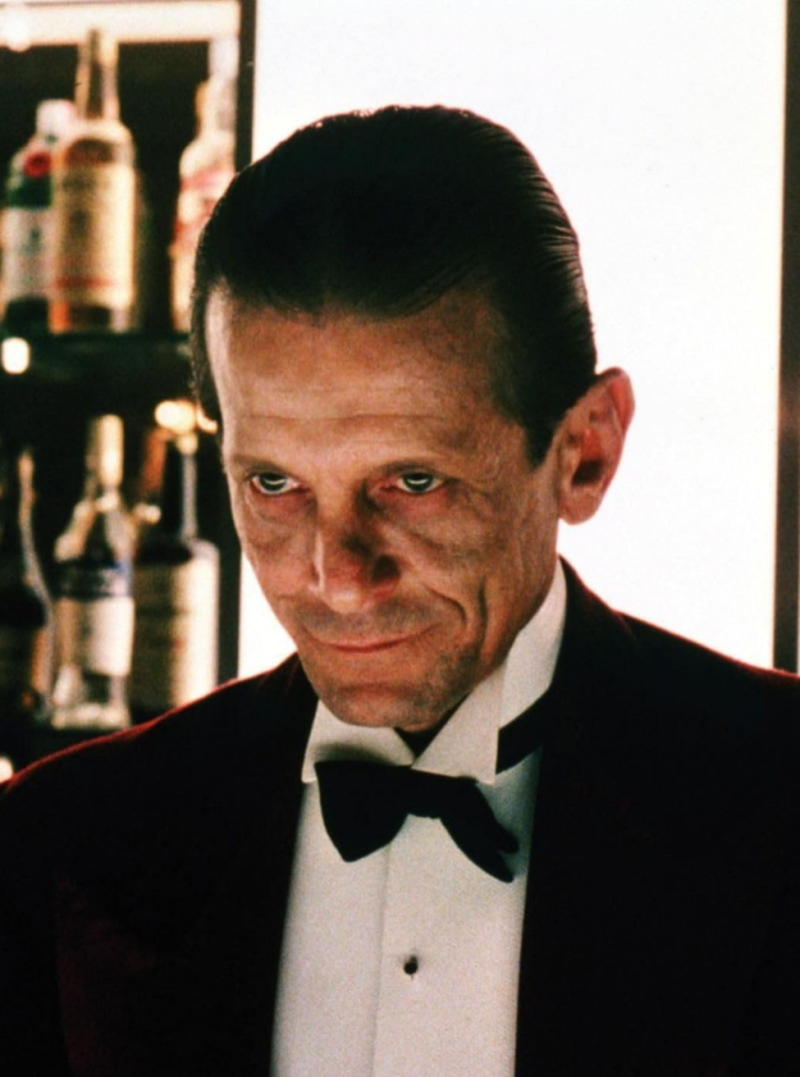
Not everything worked for me. Some of the supernatural phenomena (the various ghostly figures that appear all over the hotel) just left me in the lurch. The woman in Room 237, the ghostly barman, the ghostly caretaker and a number of the more disturbing images all point to a history of violence and corruption which is never properly explained. I was left wondering whether they were actual ghosts, manifestations of Jack's increasingly deranged mind or something else entirely. Kubrick obviously intended a great deal of ambiguity in this regard but at times it actually undermined the tension rather than enhancing it.


Apparently, I wasn't the only one to have that reaction. The Shining on release in 1980 was a very divisive film with the critics. Janet Maslin in the New York Times was quite complimentary of the film's visuals and Nicholson's performance but was very skeptical about the plausibility of the supernatural elements. Kevin Thomas in the Los Angeles Times (with the rather famous headline "Kubrick's 'Shining': A Freudian's Picnic") was similarly impressed by the imagery but felt that Kubrick's sheer scale of ambition was in fact detrimental to the very notion of a scare. Variety was much more critical, taking issue with Kubrick's deviations from the novel and with Nicholson's take on the lead character. Jack Kroll in Newsweek however was unequivocal in his view of the film as a major achievement in the horror genre.
Audiences were split, of course, though it was definitely a film that drew the eye. It opened in just 10 theatres and made a very solid $626,052 in its first four days (set a number of house records in the process). Its total domestic gross eventually ran to around $45m which was a good result, if not quite the smash hit that many people had hoped for. Stephen King himself was one of the film's most vociferous critics, taking issue with Kubrick's treatment of the characters and the alterations he had made to the novel. He went on to write his own more faithful version which aired on television in 1997.
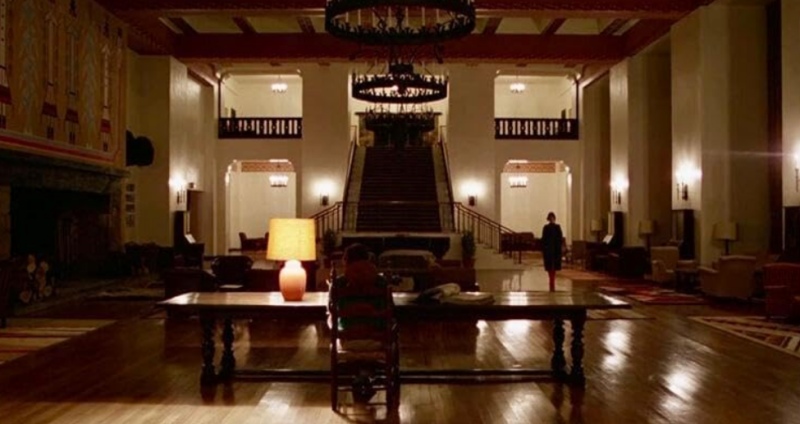
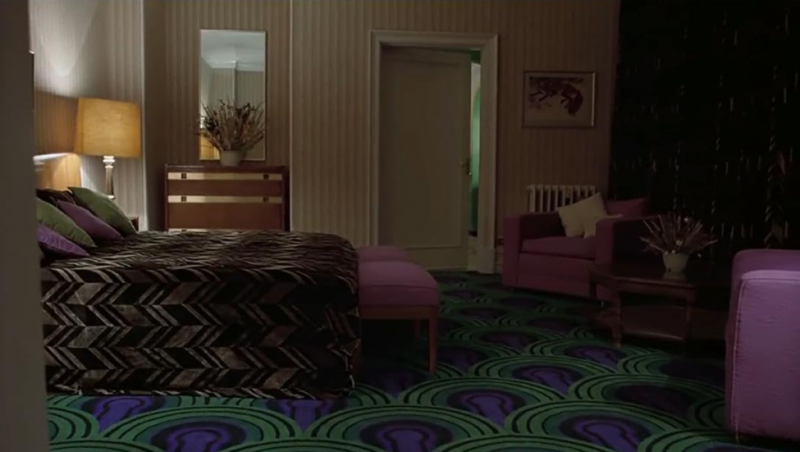
Time has been very kind to Kubrick's film. What was once regarded by some as being far too slow, emotionally remote and unnecessarily confusing is now seen as part of its very essence. The later generations have come to appreciate the film's visual clarity, its psychological depth and its refusal to offer any simple answers. It was selected for preservation in the National Film Registry by the Library of Congress in 2018 and is now regularly featured on the lists of the greatest horror films of all time.
I can absolutely see the point of the reassessment. I still have issues with the pace and some of the more bizarre supernatural sequences, but there's no doubt about the sheer skill on display. There are images in that film which will stay with you for years: the blood coming out of the elevator doors, the two little girls just standing in the corridor, Danny's face when he's scared and Nicholson's face peering out through the splintered bathroom door.
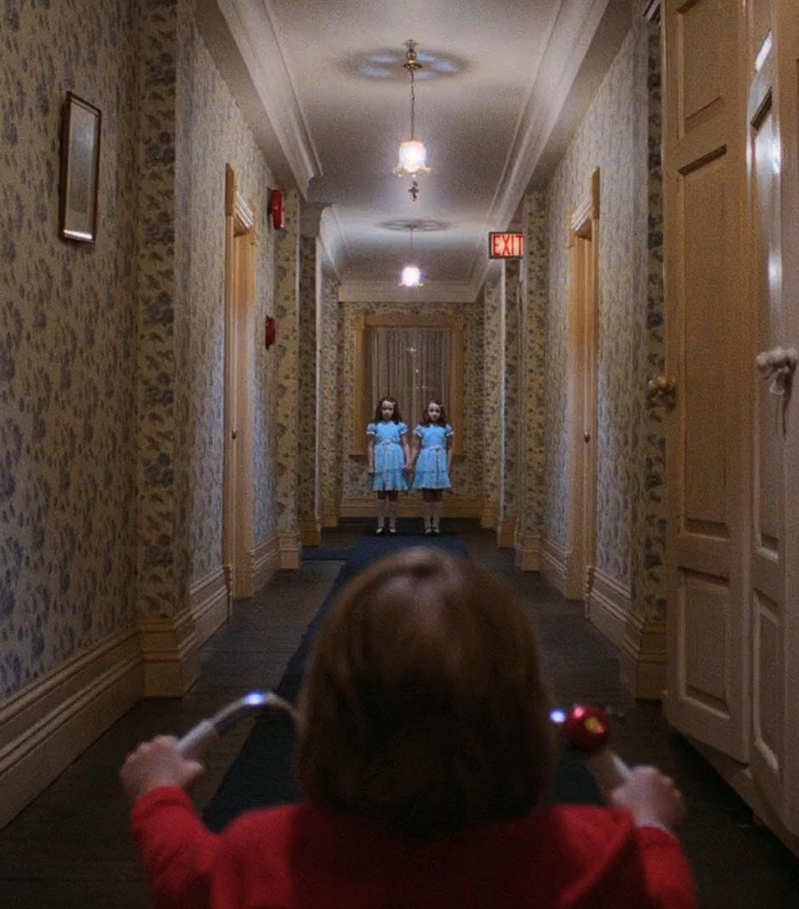
The creepy score is also very effective and really does the job of making you feel that something awful is always just around the corner.
And then there's the ending, particularly that enigmatic photograph which raises more questions than it answers. I left the theatre wondering precisely what Kubrick wanted us to make of Jack Torrance and his relationship to the Overlook. Was he in some way part of the hotel's history? Had the hotel simply swallowed him up? Or was the whole thing on a purely psychological level which needs to be looked at more closely? I think I'm going to have to go back and look at the symbolism a bit more and probably watch the film again before I can come to any kind of conclusion.
Perhaps that is the real secret of The Shining. It's not a horror film in the traditional sense designed to get you to scream and then go home and forget about it. It's a film which is disturbing in a way that stays with you. I didn't love every minute of it, and I wasn't frightened the whole time. By the time the Torrance family's hell was over, however, I can see why it's become such an enduring film.
Forty-six years after its original release I finally went into the Overlook Hotel. I'm glad I did, though I'm still not quite sure what I saw. That may have been precisely what Kubrick wanted.
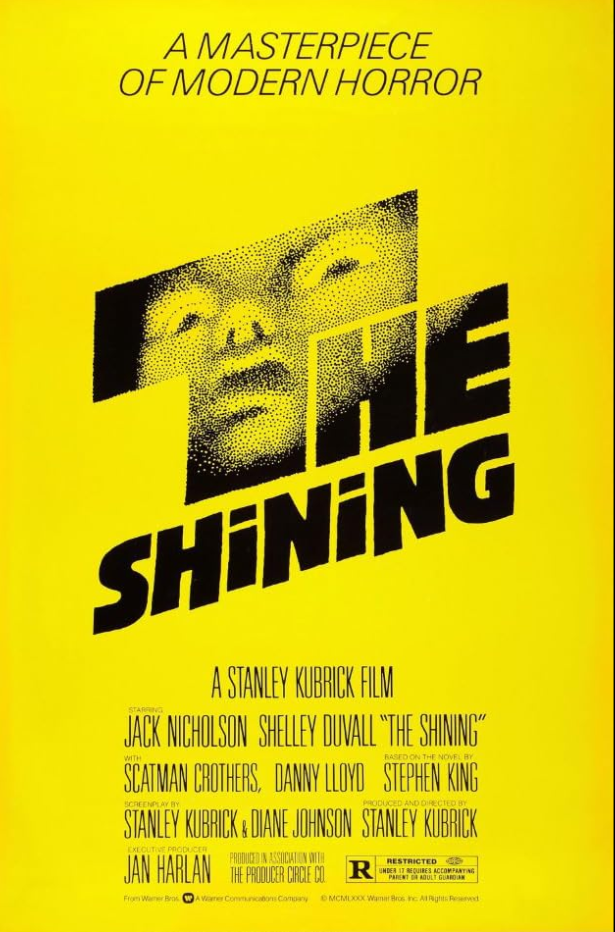
Have you seen Stanley Kubrick's The Shining (1980)? What did you think? A terrifying masterpiece or an overrated horror classic? I recently saw it for the first time, and I have a few thoughts! Read my review and please leave a comment, rate the film, and share your own impressions. I'd love to hear what you think!
Add comment
Comments