

The show long known as the SAG Awards walked onto the Shrine Auditorium stage this year with a new name—The Actor Awards—and, fittingly, a renewed sense of momentum. SAG-AFTRA’s leadership has framed the rebrand as a clearer, more globally legible identity now that the ceremony streams on Netflix, but the night’s real headline wasn’t branding. It was volatility. A season that had begun to feel neatly prewritten suddenly took a hard left, as Ryan Coogler’s Sinners roared in like a late-arriving storm and reminded everyone why actors’ awards matter: because performers, voting for performers, will sometimes choose the work that felt most alive in the room—even if the prediction markets said otherwise.

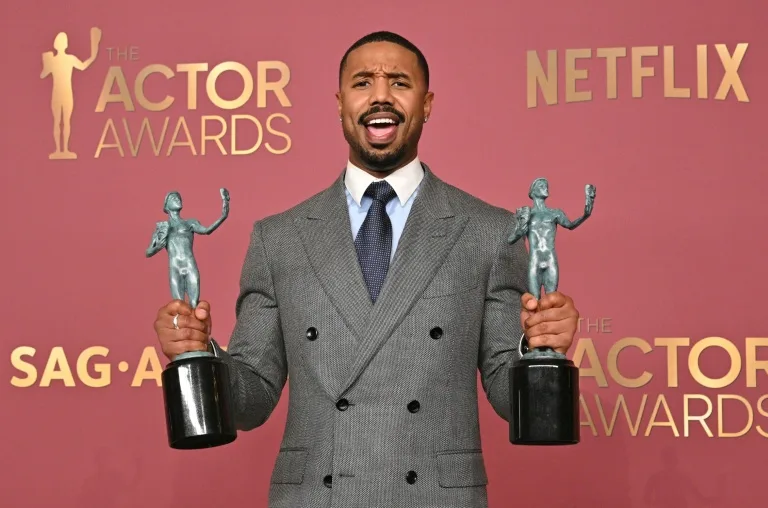
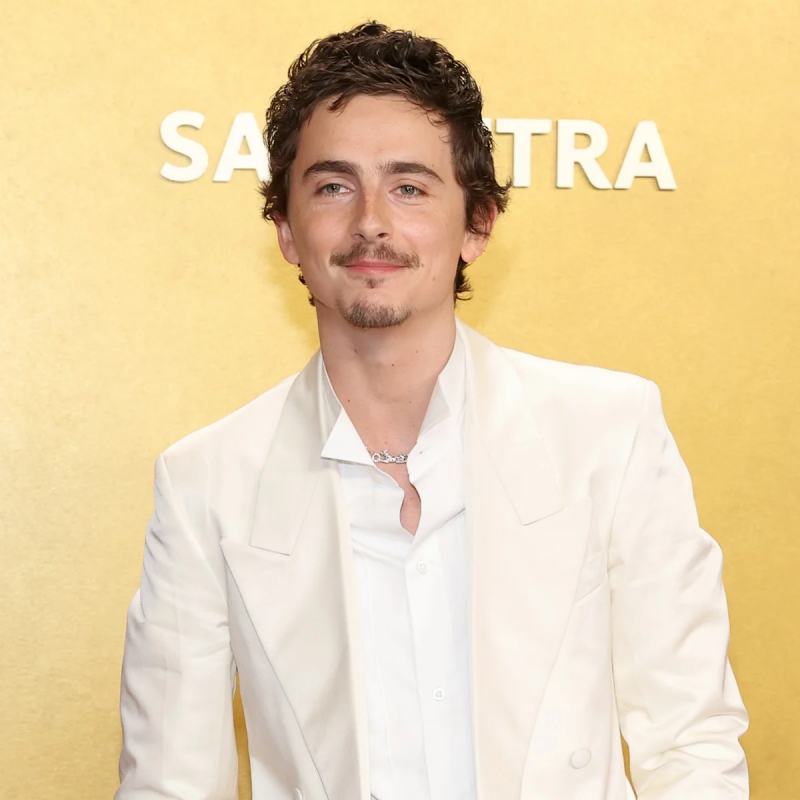
The biggest jolt landed with Outstanding Performance by a Male Actor in a Leading Role. Timothée Chalamet had been widely treated as the gravitational center of the category for Marty Supreme, but the Actor went instead to Michael B. Jordan for his dual role in Sinners—a swing that immediately re-tilted the season’s narrative and set social feeds buzzing with the familiar awards-night cocktail of delight, disbelief, and instant recalculation. Entertainment outlets captured the moment’s electricity—Viola Davis’s visible shock as she announced Jordan’s name became its own mini-meme—and Jordan’s win was framed, almost instantly, as the night’s pivot point: not just a personal triumph, but a sign that the “inevitable” part of the Oscar conversation may have been premature.
If Jordan’s win was the lightning strike, Sinners taking Outstanding Performance by a Cast in a Motion Picture was the thunder that followed—louder, longer, and harder to explain away as a single ballot fluke. Ensemble is the Actors’ most telling film prize because it rewards the chemistry of a whole company, and Sinners’ victory suggested a broad, guild-wide affection: the kind that can carry a film over the finish line when momentum is everything.


The lead actress race, meanwhile, kept its own steady drumbeat. Jessie Buckley won Outstanding Performance by a Female Actor in a Leading Role for Hamnet, continuing a season-long story of critics and guilds responding to performance-first craft rather than spectacle alone. If Jordan’s win screamed “upset,” Buckley’s felt like a confirmation—another marker that her work has lodged deeply with voters who care most about the lived-in, scene-to-scene truth of a character.
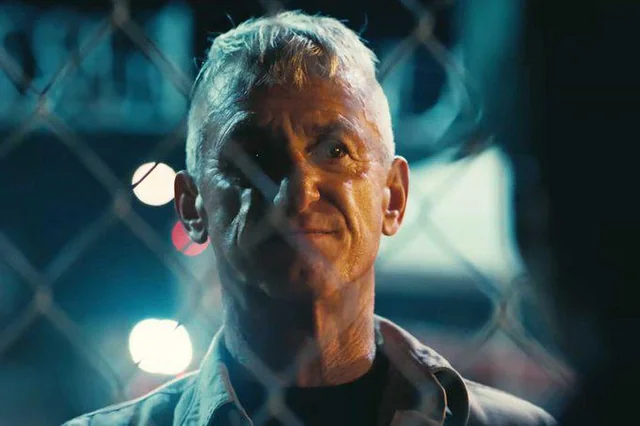
In supporting categories, the night delivered both veteran gravitas and a genuine curveball. Sean Penn won Outstanding Performance by a Male Actor in a Supporting Role for One Battle After Another—and then didn’t show to accept, a choice that only amplified the aura of his win: the Academy-adjacent sense of a performer who doesn’t “campaign” so much as occasionally allow the season to orbit him. The surprise, though, belonged to Amy Madigan, who took Outstanding Performance by a Female Actor in a Supporting Role for Weapons—an upset that delighted many longtime admirers and instantly became one of the evening’s most replayed acceptance-moment beats.
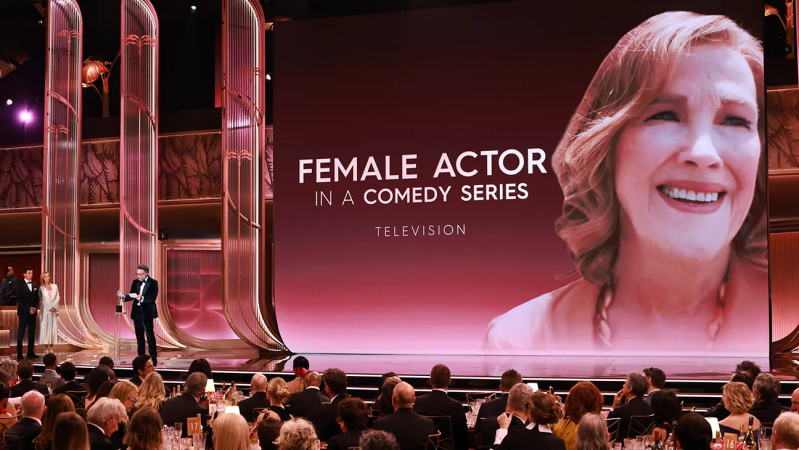
Television prizes leaned into the year’s breakout hits. The Studio dominated comedy, winning Outstanding Performance by an Ensemble in a Comedy Series and delivering Seth Rogen the Actor for Outstanding Performance by a Male Actor in a Comedy Series. Yet the most emotional TV moment came with Outstanding Performance by a Female Actor in a Comedy Series, awarded posthumously to Catherine O’Hara. Reports noted the standing ovation and the weight in the room as Rogen accepted on her behalf—one of those rare awards-show interludes where the industry’s usual glitter hushes into something like collective gratitude.
Drama belonged to The Pitt, which won Outstanding Performance by an Ensemble in a Drama Series, while Noah Wyle won Outstanding Performance by a Male Actor in a Drama Series—an especially resonant beat for anyone who remembers how ER once turned him into a weekly institution, and how ensemble medical storytelling can still feel like a communal event when it’s done with urgency and heart. Keri Russell’s win for Outstanding Performance by a Female Actor in a Drama Series (The Diplomat) registered as one of the night’s “wait—really?” outcomes, immediately filed by commentators into the “surprises” column—less because Russell isn’t beloved, more because the category’s vote appeared split among multiple passionate fandoms.
Limited series acting awards went to Michelle Williams (Outstanding Performance by a Female Actor in a Television Movie or Limited Series for Dying for Sex) and to Owen Cooper (Outstanding Performance by a Male Actor in a Television Movie or Limited Series for Adolescence). Both wins fit the larger story of the year: performance-forward material, carried by actors doing brave, precise work that seems to grow louder the closer we get to final ballots.
Even the stunt categories—often treated as quick breathers—gave the night a jolt of conversation. Mission: Impossible – The Final Reckoning won Outstanding Action Performance by a Stunt Ensemble in a Motion Picture, while The Last of Us took the stunt ensemble prize for television, a choice that some pundits flagged as unexpected given the competition’s sheer volume of large-scale action.
And then there was the evening’s crown-of-career honor: Harrison Ford receiving the Life Achievement Award, a reminder—beneath all the campaigning and chatter—that longevity, craft, and the slow accumulation of iconic work still commands reverence in a room full of peers.
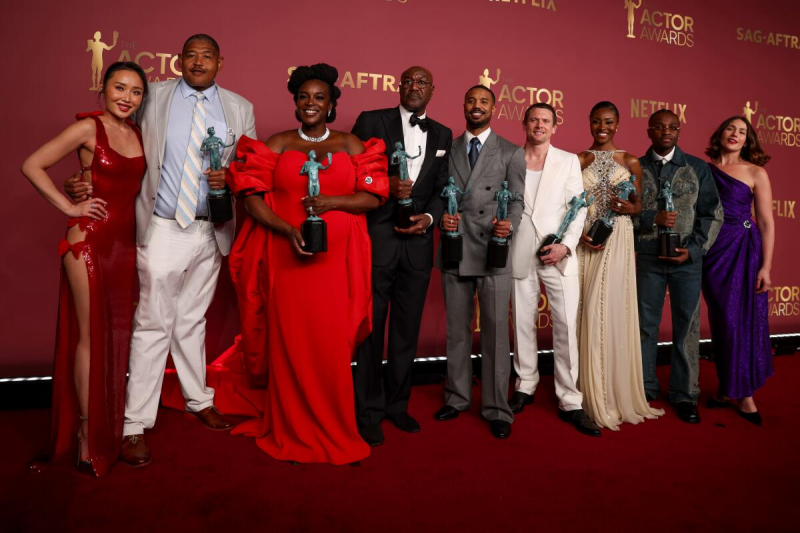
Sinners takes Outstanding Performance by a Cast
What did fans and the culture-chorus do with all this? They did what they always do now: they clipped the moments and turned them into a running dialogue. Jordan’s “upset” instantly became the night’s defining talking point—amplified by the visibly stunned presenter reaction, the standing ovation energy, and the way Sinners’ double victory felt like a statement rather than an accident. O’Hara’s posthumous win triggered a different kind of online response—less argument, more elegy—while Madigan’s supporting win lit up the “long overdue” corner of awards fandom that loves nothing more than a veteran getting her roses in real time. Even the “snubs and surprises” framing became part of the broader conversation as critics and trade writers debated what the results signaled about vote-splitting, late-breaking momentum, and which films or series might now be peaking at exactly the right moment.
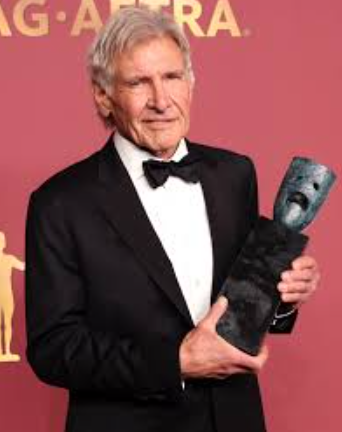
Harrison Ford receives Lifetime Achievement Award
As for the YouTube class of awards-season commentators—those rapid-response analysts who treat guild nights like playoff games—several reaction videos and wrapups quickly centered on the same thesis: the Actor Awards didn’t merely hand out trophies; they scrambled certainty. Whether you agree with that reading or not, it’s hard to deny the underlying truth: in a year when the conversation threatened to calcify early, the actors’ ballots reintroduced suspense.
If the Actor Awards’ rebrand is meant to clarify what this night is “about,” the 2026 ceremony did something even more valuable: it clarified that awards seasons are not spreadsheets. They are mood, momentum, and community—160,000-plus working performers, voting for the faces they believe moved the needle. This year, that collective instinct landed firmly on Sinners, rewarded craft across film and television, and sent Hollywood into March with the one ingredient every awards show secretly needs to justify its existence: a genuine question mark.
What did you think of the Actor Awards results? How many of your favorites won? Please comment, rate and share.
Add comment
Comments