

There are few figures in the history of motion pictures whose artistry seems as inseparable from the very evolution of the medium as Lon Chaney. Known to generations as “The Man of a Thousand Faces,” Chaney was more than a performer—he was a pioneer who transformed the possibilities of screen acting, makeup, and emotional expression at a time when the cinema itself was still learning how to speak.
By Allan R. Ellenberger
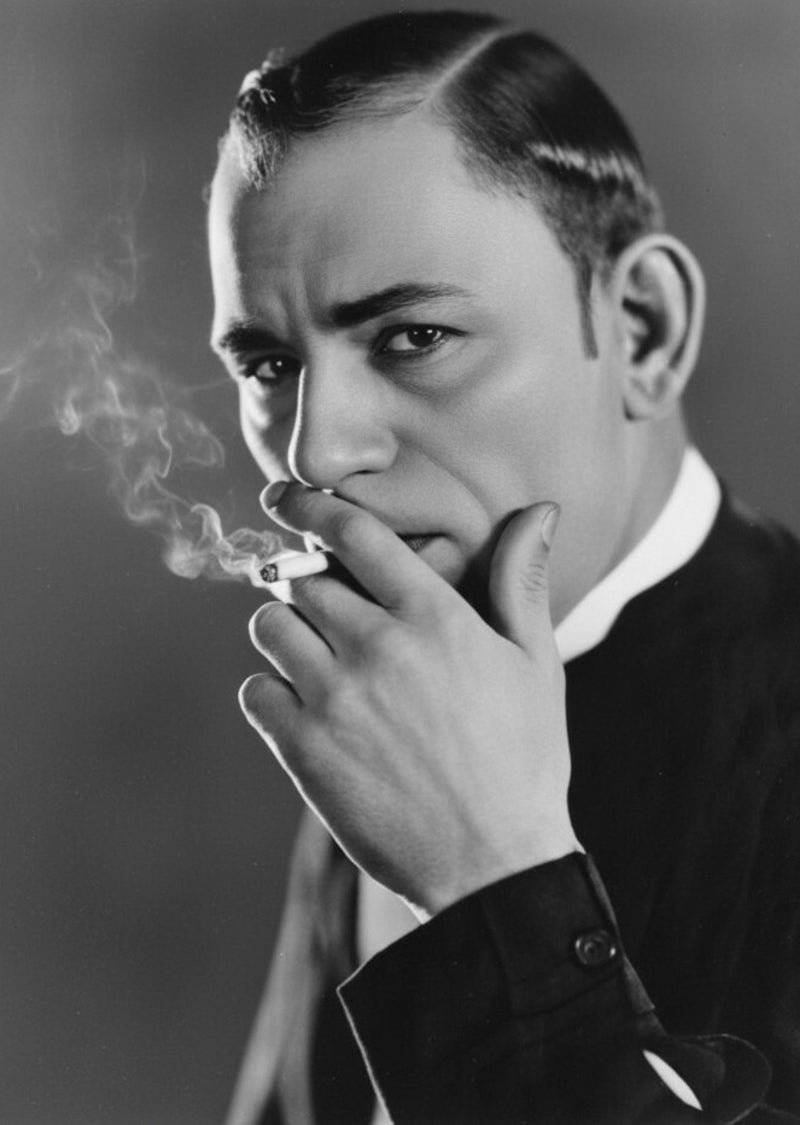
He was born Leonidas Frank Chaney on April 1, 1883, in Colorado Springs, Colorado. Both of his parents were deaf mute. Chaney learned to communicate at an early age through gestures, expression and pantomime, skills that would one day form the basis for his screen work. Before actors could rely on spoken dialogue to shape a performance, Lon had already begun to discover how effectively one could communicate through gesture, body language and even the subtle movement of facial muscles.
His wasn't an immediate transition into films. Chaney started working in theater as early as 1902. He did vaudeville and stock productions around the country honing his skills as a Jack-of-all-trades. He married singer Cleva Creighton early on in his career, and they performed together around the country. In 1906, their son Creighton Tull Chaney Jr. was born, later known as Lon Chaney Jr. Then tragedy struck. In 1913, Chaney's wife made national headlines with a suicide attempt. Their marriage soon fell apart, and Chaney found himself pushed out of the theatrical world. It was around this time that Chaney focused his sights on motion pictures.
Chaney spent his early film career working uncredited bit parts for Universal Studios. Even in those days he was different. He started playing with makeup and began transforming himself rather than just hiding behind it. Chaney didn't like his features; he thought they were too plain to become a star, so he contorted his face and manipulated his body to create something completely different for every role. This relentless reinvention would become his signature.


His breakthrough came with The Miracle Man (1919), which established him as a performer of extraordinary emotional power. During the following ten years, Chaney emerged as silent film's most versatile character actor, often playing roles that were grotesque, diseased, or physically twisted — but unmistakably human. Film after film he exposed audiences to a contradiction at the core of his films: under the makeup there remained dignity, vulnerability, and pathos.
It was in the 1920s that his legend reached its peak. In The Hunchback of Notre Dame (1923), he transformed himself into Quasimodo through punishing physical contrivances—binding his body, altering his gait, and enduring significant discomfort to achieve the character’s twisted form. Two years later, in The Phantom of the Opera (1925), he created one of the most enduring images in cinema: the skull-like face of the Phantom, achieved through makeup techniques he devised himself. These performances did more than frighten audiences—they defined the visual language of horror.
Chaney earned a mixed reputation in the industry. He was respected for his professionalism, creativity, and dedication to physically enduring great pain for a role. He was also notoriously private. He never courted publicity and wanted to keep his personal life out of the spotlight. Directors respected him for being dependable and resourceful. Audiences loved him for the uncanny feelings he would portray, even in outrageous characters.
His personal life, after early turmoil, found stability in his second marriage to Hazel Hastings, with whom he shared a quieter domestic existence. He maintained a close relationship with his son, though he reportedly discouraged him from entering the film industry—an irony given that Lon Chaney Jr. would later become a major star in his own right.

By the late 1920s, Chaney was among the most respected figures in Hollywood, working under contract to MGM and delivering performances that combined technical brilliance with emotional depth. Yet his career, like the silent era itself, was cut tragically short. After a period of declining health, he was admitted to St. Vincent’s Hospital in Los Angeles, where his condition worsened. Chaney died in the early morning hours of August 26, 1930, at approximately 12:55 a.m., at the age of forty-seven. The cause was listed as carcinoma of the right lung and bronchial tubes, with a pulmonary hemorrhage contributing to his death—an illness that had taken hold in the final months of his life. His passing came at a moment when the motion picture industry was rapidly transitioning to sound, leaving behind the enduring question of what this master of silent expression might have achieved had he lived to fully enter the new era.

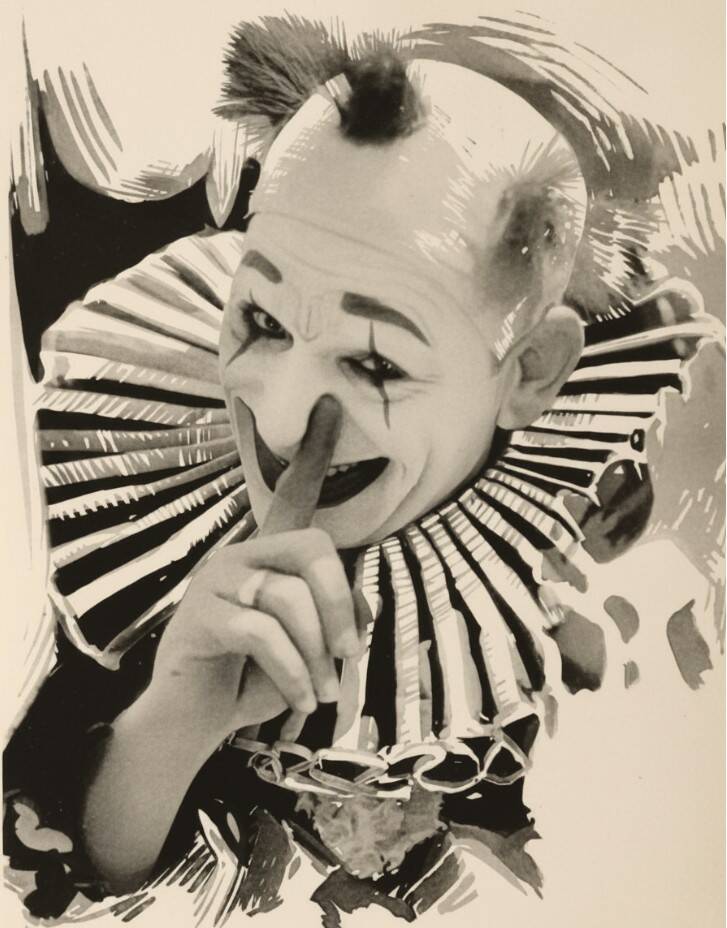

By the time of his death, Chaney had starred in over a hundred movies and was one of the most popular actors of the late silent period. Yet, his legacy continued to grow after his death. He pioneered many of the concepts of film makeup, inspired countless actors in horror films, and proved that even grotesque physical appearances can house a beautiful soul.
In the final analysis, Lon Chaney was not simply “The Man of a Thousand Faces.” He was the man who revealed that behind every face—no matter how grotesque or disguised—there could exist something deeply, unmistakably human.
Please take a moment to comment on, rate, and share my latest blog post honoring Lon Chaney as my Star of the Month for May.
Add comment
Comments