

For a brief but unforgettable moment during the 1960s, Claudine Longet seemed to embody the very image of Continental sophistication in American popular culture. Petite, soft-spoken, and possessed of a whispery, breathless singing style that perfectly suited the era’s fascination with bossa nova and romantic melancholy, she became a familiar face on television screens and record players across America. Yet despite her musical success, film appearances, and high-profile marriage to entertainer Andy Williams, her name would ultimately become inseparable from one of the most sensational celebrity scandals of the 1970s: the fatal shooting of Olympic skier Spider Sabich in Aspen, Colorado. Now, with the death of Claudine Longet at the age of eighty-four, a complicated and controversial chapter of Hollywood history has closed.
By Allan R. Ellenberger

Claudine Georgette Longet was born in Paris, France, on January 29, 1942, during the dark years of World War II. Raised in postwar France, she trained as a dancer and performer before eventually finding work at the famed Folies Bergère revue at the Tropicana Hotel in Las Vegas. It was there, in 1960, that the young French dancer met Andy Williams, already one of America’s most successful singers and television personalities. According to Williams, he encountered Longet on the side of the road while she was having car trouble and stopped to help her. The encounter quickly blossomed into romance. Despite a significant age difference—she was eighteen and he was thirty-two—the two married in Los Angeles on December 15, 1961, and soon became one of entertainment’s most glamorous couples.
Williams proved instrumental in shaping Longet’s career in America. Her delicate French accent, photogenic charm, and understated vocal delivery made her an ideal fit for the sophisticated pop market of the mid-1960s.
She appeared frequently on The Andy Williams Show, where audiences responded warmly to her shy elegance and intimate singing style. Her breakthrough came after she performed Antônio Carlos Jobim’s “Meditation” on television, a performance that reportedly impressed Herb Alpert enough to offer her a recording contract with A&M Records.
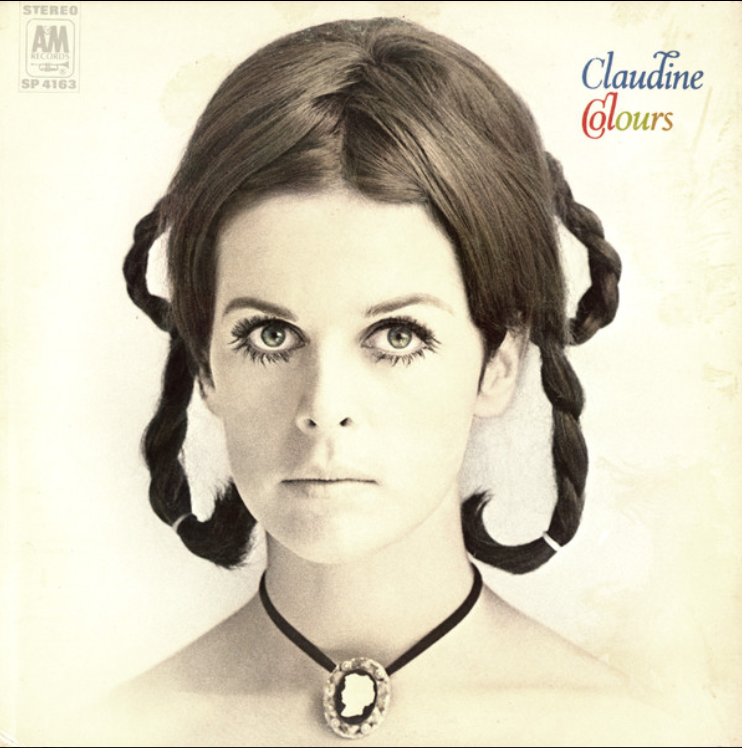
Longet’s 1967 debut album, Claudine, became a surprise success, climbing to number eleven on the Billboard album chart. Her recordings, filled with soft interpretations of contemporary pop and Brazilian standards, established her as a distinctive voice of the lounge-pop era. She released a series of albums through the late 1960s and early 1970s, including The Look of Love, Colours, and Run Wild, Run Free, cultivating a devoted following among listeners drawn to her dreamy, intimate vocal style. Though critics were divided over her limited vocal range, admirers found her recordings hypnotic and emotionally evocative. Her versions of songs like “God Only Knows,” “Hello, Hello,” and “Love Is Blue” became staples of sophisticated easy-listening radio.
As an actress, Longet appeared in numerous television programs throughout the 1960s, including McHale's Navy, Combat!, Hogan's Heroes, and The Rat Patrol. Her most enduring film appearance came in 1968 when she co-starred opposite Peter Sellers in The Party, directed by Blake Edwards. The surreal comedy later became a cult favorite, and Longet’s performance as the beautiful Michele Monet helped solidify her place in late-1960s pop culture.
Behind the scenes, however, Longet’s marriage to Andy Williams had begun to fracture. The couple separated in 1970 and officially divorced in 1975, though Williams remained fiercely loyal to her for the remainder of his life. Together they had three children, including son Bobby Williams, named after Senator Robert F. Kennedy, with whom the couple had maintained a friendship. Longet and Williams were among those present during the tragic night of Kennedy’s assassination in Los Angeles in June 1968 and later attended his funeral.
After the separation, Longet’s life took a dramatic turn when she became involved with Vladimir “Spider” Sabich, the charismatic Olympic skier and international sports celebrity.

Ernest Borgnine, Claudine Longet and Tim Conway in McHale's Navy.
The two met during a celebrity ski event in California in the early 1970s and soon began living together in Aspen, Colorado. Sabich was handsome, athletic, and wildly popular in ski circles, while Longet remained a recognizable entertainment figure. Their glamorous Aspen lifestyle attracted enormous media attention, but friends later described the relationship as increasingly volatile.
Everything changed on March 21, 1976. That afternoon, Sabich was shot in the abdomen inside his Aspen home by Longet using a Luger-style pistol. He died while being transported to the hospital. Longet insisted the shooting had been accidental and claimed Sabich had been showing her how to operate the weapon when it discharged. Prosecutors questioned her version of events, particularly after forensic evidence appeared inconsistent with her account. However, the case soon became mired in procedural mistakes by investigators, including the unlawful seizure of Longet’s diary and blood samples without proper warrants. Critical evidence was ruled inadmissible, severely weakening the prosecution’s case.
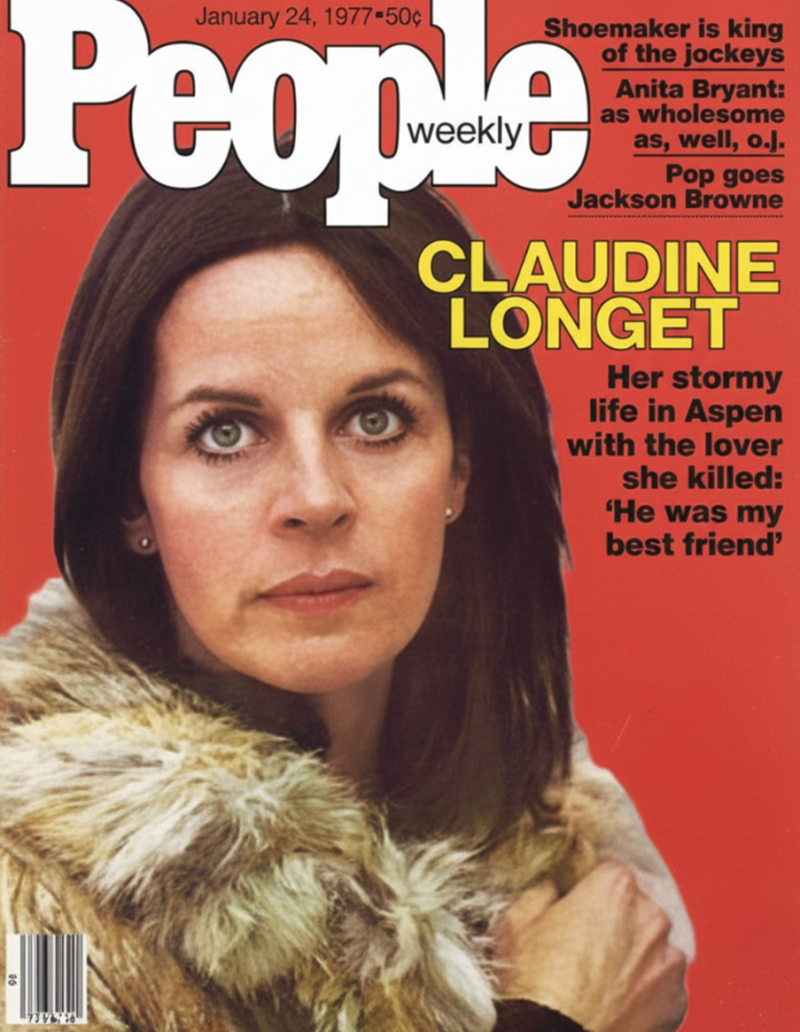
The trial became an international media sensation, combining celebrity culture, wealth, sex, and violence in a manner reminiscent of Hollywood noir. Andy Williams stood publicly beside his former wife throughout the proceedings, paying for her defense team and escorting her into court. When questioned later about his loyalty, Williams famously explained that Longet remained “the mother of my children.” Ultimately, the jury convicted Longet not of manslaughter but of misdemeanor negligent homicide. She received a sentence of thirty days in jail—served mostly on weekends—along with probation and a small fine. Public outrage over what many viewed as extraordinary leniency followed immediately.
The controversy deepened when Longet later married Ronald Austin, one of the attorneys who had defended her during the trial. Following the settlement of a civil lawsuit filed by the Sabich family, Longet effectively vanished from public life. One condition of the settlement reportedly prohibited her from publicly discussing the shooting.
She abandoned her entertainment career entirely and spent decades living quietly in Aspen, avoiding interviews and public appearances. Over time, she became less remembered for her music and acting than for the tragedy that destroyed her public image.
In later years, nostalgia collectors and pop-music historians rediscovered her recordings, which developed a cult following among enthusiasts of 1960s lounge and easy-listening music. Younger audiences, particularly those fascinated by retro pop culture, embraced the haunting innocence of her albums. Yet the shadow of the Sabich case never entirely disappeared. The scandal inspired songs, television satire, documentaries, and endless tabloid fascination, ensuring Longet’s name remained permanently linked to one of the most notorious celebrity criminal cases of the twentieth century.
Claudine Longet died on May 14, 2026, at the age of eighty-four. Public announcements from family members confirmed her death, though no official cause of death was immediately disclosed. At the time of writing, no funeral arrangements or burial information have been publicly released.
For many, Claudine Longet will remain one of the most enigmatic women ever to pass through the world of Hollywood celebrity: a soft-voiced chanteuse whose image suggested innocence and romance, yet whose life became forever entangled with scandal, tragedy, and mystery. Her story endures as both a cautionary tale of fame and a lingering Hollywood riddle that, even after her death, continues to provoke fascination and debate.

Please take a moment to comment on, rate, and share my new obituary on Claudine Longet — a tragic and controversial figure whose rise to fame and fall into scandal remains one of Hollywood’s most haunting stories.
Add comment
Comments