

Chuck Lorre has spent most of his life putting words in other people's mouths. For over thirty years his characters have been arguing, confessing, insulting, falling in love and delivering the one-liners to millions of viewers. In Sitcom: A Memoir he finally turns that same sharp, often biting voice on himself and charts the improbable journey that saw him go from struggling musician and television writer to one of the most successful comedy producers in the history of the medium.
Reviewed by Allan R. Ellenberger

Published by Dey Street Books, the 368-page memoir comes after a career which has included Dharma & Greg, Two and a Half Men, The Big Bang Theory, Mike & Molly, Mom, Young Sheldon, The Kominsky Method and Bookie. Lorre has been involved in an absolutely enormous amount of television, but Sitcom is not simply a celebration of that. A significant amount of the book is devoted to the conflicts, the failures, the insecurities and the personal missteps that went hand in hand with that success.
Lorre starts right at the beginning with his early life, long before the CBS sitcoms and the Emmy awards. It's a life of trouble, of substance abuse, of failed marriages, of health issues and a number of years when he really had no idea, he was going to become the television phenomenon he would eventually be. He began in music, went into animation writing, wrote the lyrics for the original Teenage Mutant Ninja Turtles series and did a number of Muppets projects in the educational space before eventually getting into prime-time comedy.
His time on Roseanne was both a huge break and a very harsh education. It was a high pressure, very toxic environment which demanded long hours and a thick skin.
He won't pretend it was a good experience, but he also won't say it wasn't an education. It taught him how to make a sitcom, how to survive a writers' room and how much tension you can have behind a show that's ostensibly designed to make you laugh.
That contradiction is there throughout the book. Lorre is constantly in a state of balancing resentment with gratitude. He will remember people who made his career very difficult, but he will also acknowledge what he learned from them. He is not at all sentimental about television and he doesn't see himself as the innocent victim in any of the disputes.
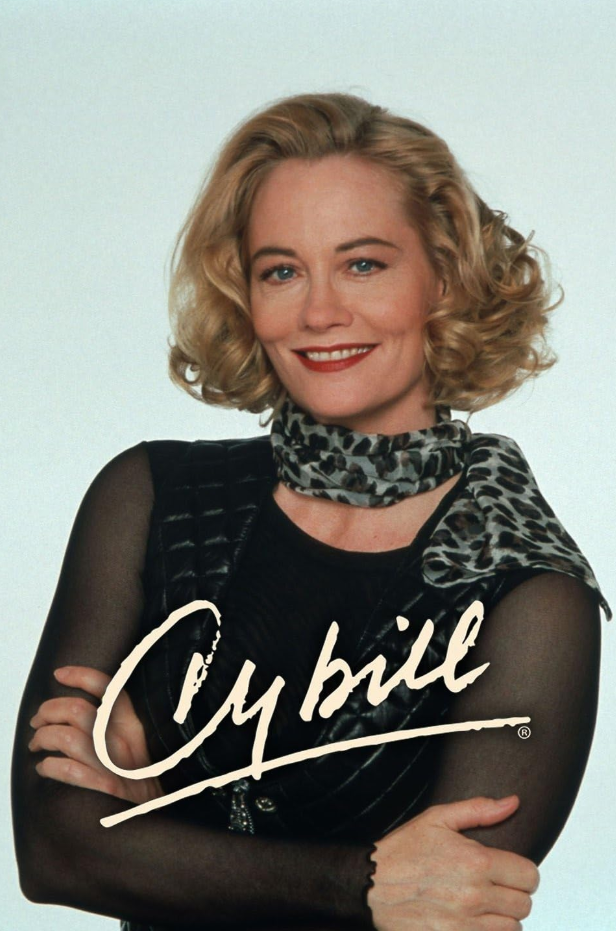

It's particularly fun when Lorre gets to the shows that actually established his reputation. He goes right back into the fray of Grace Under Fire and Cybill and the backroom battles that went on there. The egos, the network interference, the sheer amount of personality conflict that could have been as intense as any drama on television. Some of the better stories are the ones about Cybill Shepherd and Christine Baranski. There's one in particular where Shepherd wanted to give up some of her lines to Baranski and in the process of doing so discovered that Baranski was getting the bigger laugh with the material that Shepherd had given up.
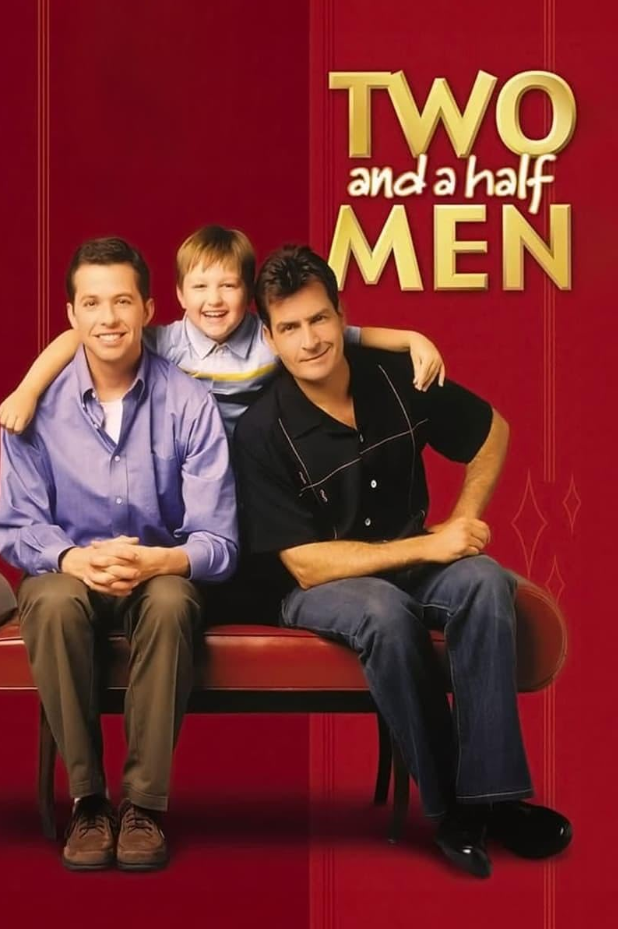
Lorre also talks about the resistance he met when casting Jon Cryer as Alan Harper in Two and a Half Men. The network people were quite concerned that Cryer had been on too many failed shows. Lorre was convinced that the chemistry between Cryer and Sheen was there though and that was the key factor. That decision turned out to be absolutely vital to a show which became one of CBS's biggest hits.
Charlie Sheen of course takes up a massive amount of space. The high profile split during the run of Two and a Half Men was one of the most infamous producer/star feuds in modern television. Lorre covers Sheen's firing, the acrimony that surrounded it and the subsequent personal attacks, but the tone is far from vindictive. Years later Lorre and Sheen reconnected when he invited Sheen to appear on Bookie and that reconciliation provides the memoir with a sense of closure that would have been impossible if it had been written at the height of the feud.



One of the most surprising things about the book for me was the fact that Lorre had spent about ten years with the Church of Scientology. He refers to that as "one of my darkest secrets" and admits he kept it very much to himself for a long time because of the sheer embarrassment and humiliation he felt. He was a very young, struggling musician at the time looking for some kind of direction and that's when he got deeply involved. He took courses, he was in the church for a long time, and he even briefly joined the Sea Org, though he only stayed a couple of days.
The Scientology section is probably the most illuminating in the book as Lorre is attempting to explain why it attracted him in the first place. He was young, broke, insecure and looking for answers. Scientology offered structure, certainty and a system by which one could improve their life. Looking back on it he is clearly embarrassed, but he doesn't simply write it off as the naivety of youth. It was part of the long and complicated journey that eventually saw him go on to other things.
There are other awkward moments too. Lorre talks about his misgivings regarding casting Anna Faris in Mom and then goes on to talk about her exit from the show prior to the end of the season. He goes back over bad relationships, bad television pitches and the various projects that never made it out of the conference room. He also spends a fair bit of time on the vanity cards which became his personal thing: the little essays, the jokes and the observations that would appear for a few seconds at the end of his shows.
For me the book's biggest misstep is its structure. Almost half of Sitcom is just reproductions of scripts from Two and a Half Men, The Big Bang Theory and The Kominsky Method (many of them annotated with handwritten notes and revisions). For the student of television writing this could be very interesting as it shows you the actual mechanics of how a successful sitcom is put together, tweaked and refined. You can see the timing changes, the dialogue changes and all the other invisible bits that go into scenes that ultimately look perfectly natural on screen.
Still, I found myself wishing that a bit more of the book had been given over to the memoir. The sheer size of the book would have you believe it was going to be much more than it actually is. The scripts are fascinating in themselves as artefacts, but they also mean that the memoir itself is considerably shorter than you'd expect.
Another grievance is the lack of an index. You've got a book full of television series, actors, producers, writers and decades of Hollywood history and there's not an index in sight. If you're looking to go back to a particular story involving Charlie Sheen, Roseanne Barr, Anna Faris, Jim Parsons or any of Lorre's myriad shows you have no easy way of doing that. For a memoir so thick with names and programs it's a real shame there's no index.

The critical response has been broadly positive if not entirely without reservation. Lorre's wit, his self-deprecation and his access to a vast amount of television history have all been lauded. There have been, however, a few instances where he has pulled back at just the moment a story would have been in a position to become more emotionally resonant. A number of reviewers have also expressed a slight reservation about the sheer amount of script extracts that are included rather than further personal recollections.
Reader response has been much the same. A lot of people have really liked the behind-the-scenes stories and Lorre's own voice (especially his straight talking about Scientology, Roseanne, Charlie Sheen and the various battles he's fought on his major shows). The other side of the fence has been pretty frustrated that so much of the book is just scripts.
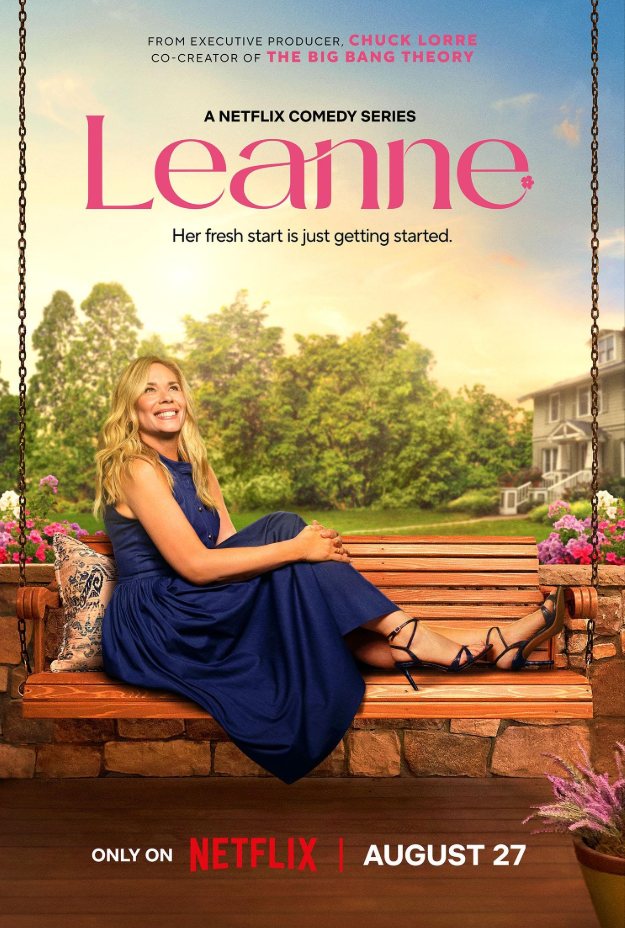
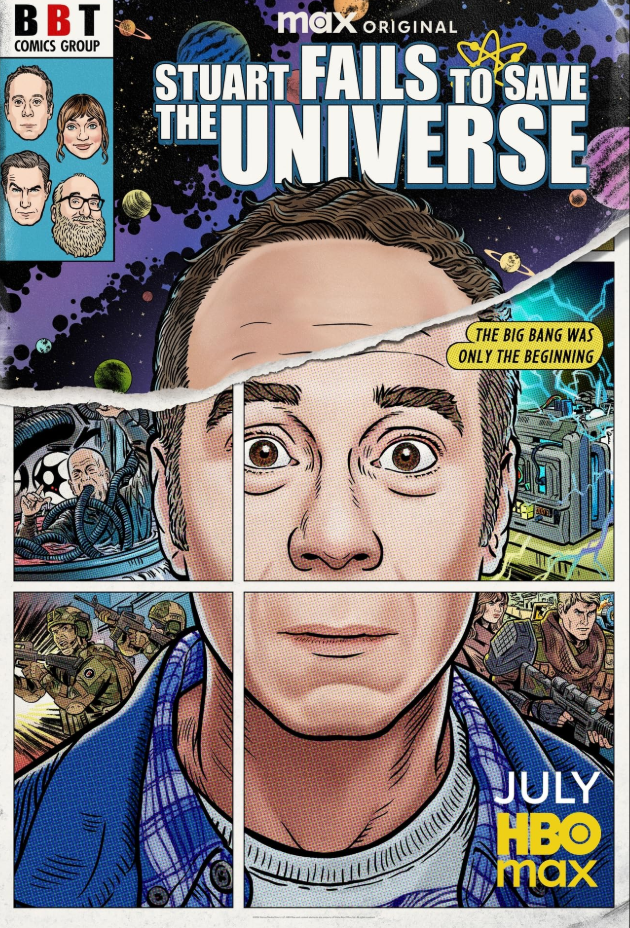

That criticism is fair, but Sitcom does have something that a lot of celebrity memoirs don't have, which is a real identifiable personality. You can hear Lorre in it. The sarcasm, the irritation, the self-deprecation, the defensiveness and the occasional crack of vulnerability are all very much in keeping with the man whose vanity cards have been on television for years.
He doesn't strike me as someone who's particularly interested in crafting his own legend. He'll admit to mistakes, grudges and bad judgement (though there are moments when you can clearly sense he's still holding something back). The book is at its funniest when he's going after the ridiculousness of TV and it's at its most compelling when the punchlines quite suddenly vanish.
What makes Sitcom: A Memoir worth reading is the sheer contrast between the immense professional success and the chaos underneath. Chuck Lorre built his career on dysfunctional families, on flawed people, on characters who were trying to find some degree of happiness in spite of their own worst instincts. You can't help but wonder that he knew those characters so well because, in some sense, he'd been writing about himself all along.
Check in tomorrow for the final installment of my “Women Who Built Hollywood” series, featuring pioneer Mary Croswell Gower. Her name may not be as familiar today as the pioneers she worked among, but her contributions helped shape the developing Hollywood in ways that deserve to be remembered.
If you enjoyed my review of Chuck Lorre’s Sitcom: A Memoir, I’d love to hear what you think. Have you read the book, or are you planning to? Please leave a comment below, rate the post, and share it with others who enjoy television history, Hollywood memoirs, and behind-the-scenes stories from some of television’s biggest shows.

Add comment
Comments