

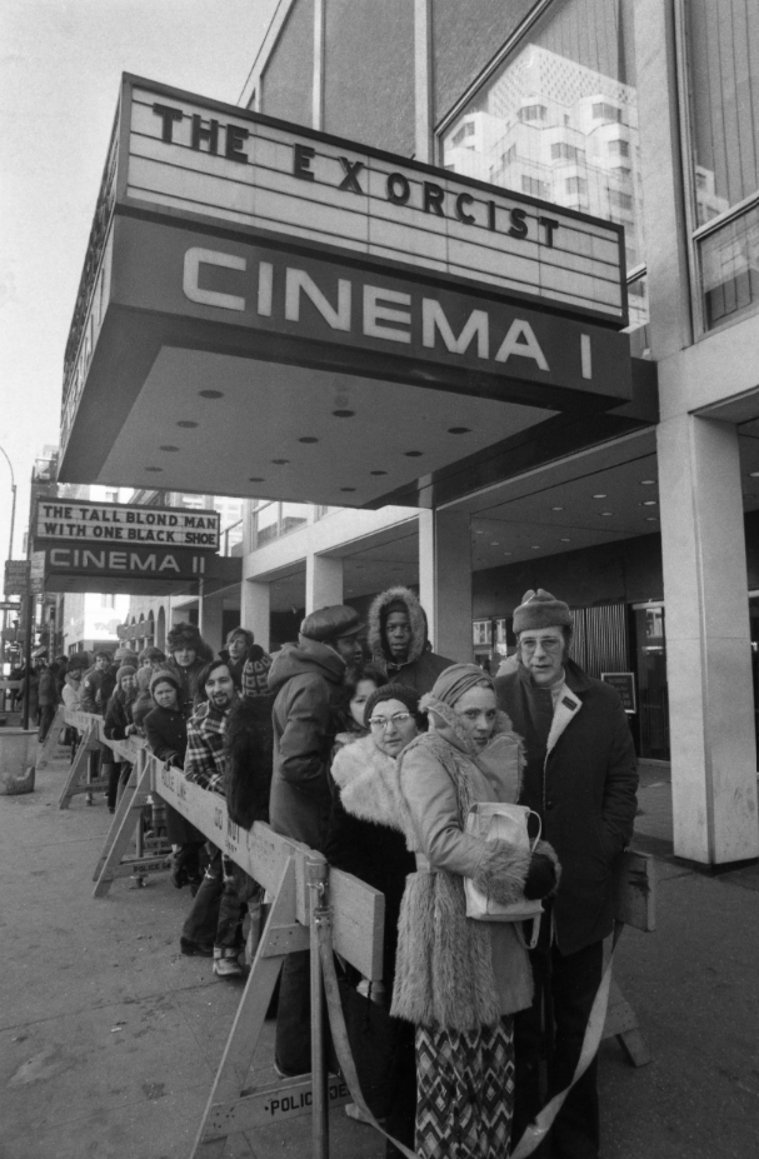
When The Exorcist opened on December 26, 1973, audiences were in no doubt as to what they were in for. What they weren't expecting was the sheer sense of something genuinely terrifying having been let loose. They queued for hours, some of them fainted or went sick during the screenings, there was a considerable amount of protest from the religious organizations, and the film very quickly became a media phenomenon. The story of the making of The Exorcist is just as astonishing as the film itself. It was a production that involved very difficult casting, a lot of practical effects, injuries, a major set fire, several deaths and a whole host of bizarre coincidences which have created one of Hollywood's most enduring "cursed movie" myths.
By Allan R. Ellenberger
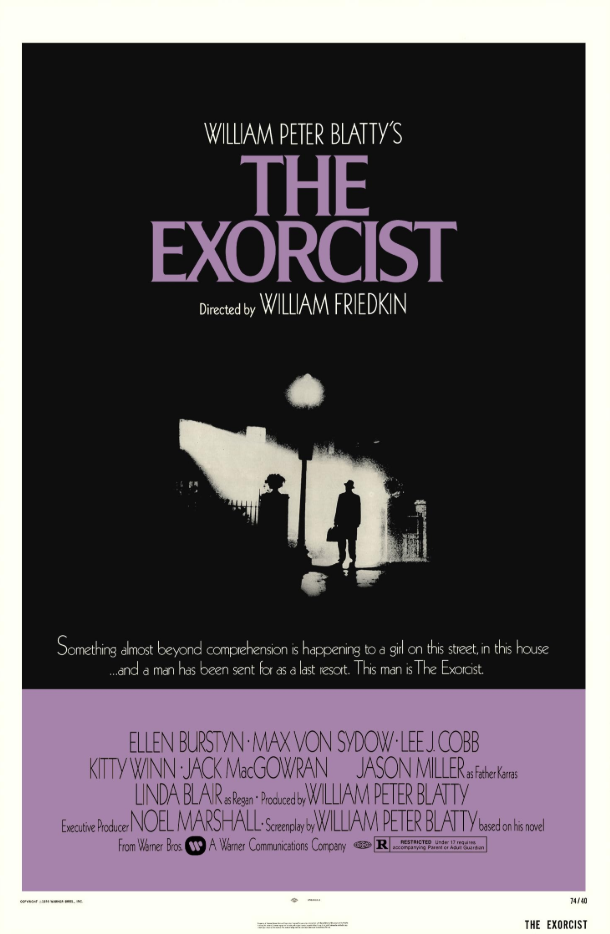
The story goes back decades. In 1949, Blatty was a student at Georgetown and came across newspaper accounts of a 14-year-old boy who had been the subject of a number of Catholic exorcisms in Maryland and Missouri. That case grabbed his attention. Over 20 years later he would turn it into his 1971 novel The Exorcist (the boy in the story became a girl and a good deal of the story was set in Georgetown). It was a bestseller and Blatty was then immediately in the process of working on it for Warner Bros., intent on keeping the serious tone of the book on the screen.
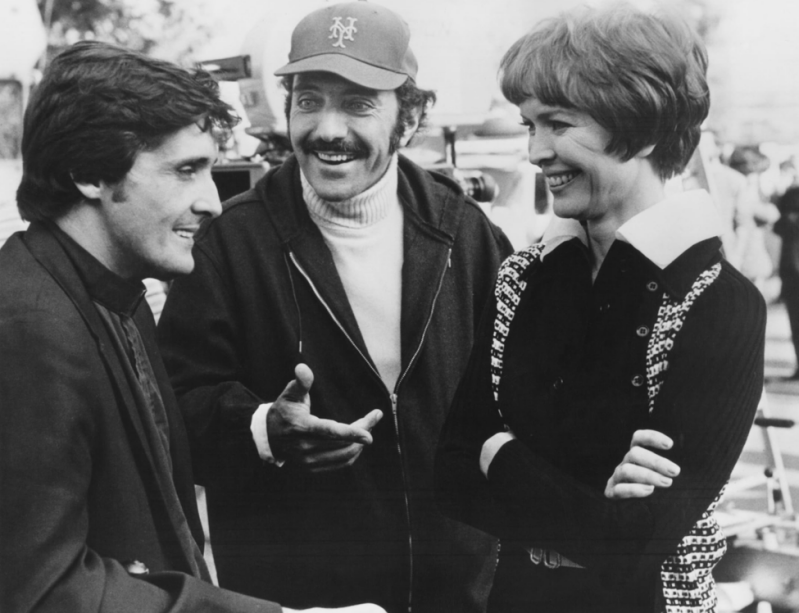
Friedkin directed the film (following his Oscar win with The French Connection). He didn't want to make a conventional gothic horror film at all. He was going in with the hard, documentary style. The priests should look and act like priests, the doctors like doctors and the supernatural stuff should happen in real rooms and on real streets. The more real everything around Regan's possession was, the more terrifying the impossible events would be.
Finding the right girl to play Regan MacNeil was one of the production's biggest problems. They looked at hundreds of girls, and the role demanded a very particular blend of innocence, emotional strength and sheer guts.
Ultimately, it was 12-year-old Linda Blair who came along with her mother and who really impressed Friedkin with her naturalness and her ability to talk about the horrific stuff without the slightest bit of embarrassment or fear. She had no acting experience at all, but she was absolutely the emotional and physical core of the film.
Casting Father Damien Karras was almost as difficult. Several well-known actors were considered, and Stacy Keach was initially hired. Friedkin, however, became quite taken with playwright Jason Miller whose That Championship Season had just come into its own nationally. Miller had gone to Catholic school and had that very particular look and feel of a man haunted by the past which was precisely what Friedkin was after. Warner Bros. picked up Keach's contract and Miller made his feature film debut as the troubled Jesuit priest struggling with both his faith and the death of his mother.
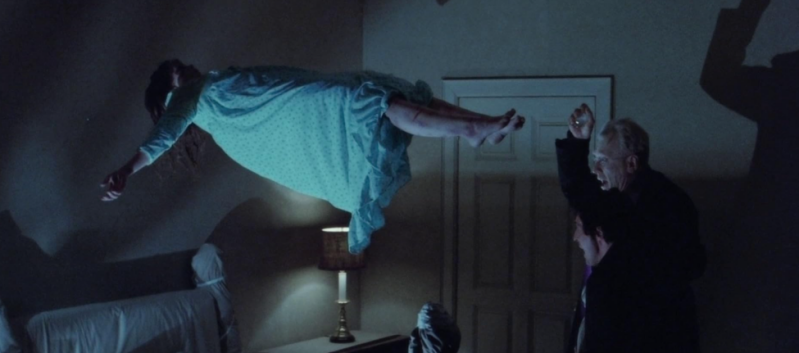
The horror effects were pretty much achieved through physical ingenuity. Regan's bedroom was one of the most extensive sets ever built for a horror film. To make the breath visible during the exorcism scenes the room was actually chilled to well below freezing. A large number of air conditioning units were used to chill the set overnight and the heat from the lights meant they could only shoot for a very short time before the room had to be re-chilled. The actors (Ellen Burstyn, Linda Blair, Jason Miller and Max von Sydow) did the demanding scenes in the bitterly cold conditions in costumes which were never intended to be worn in such temperatures.

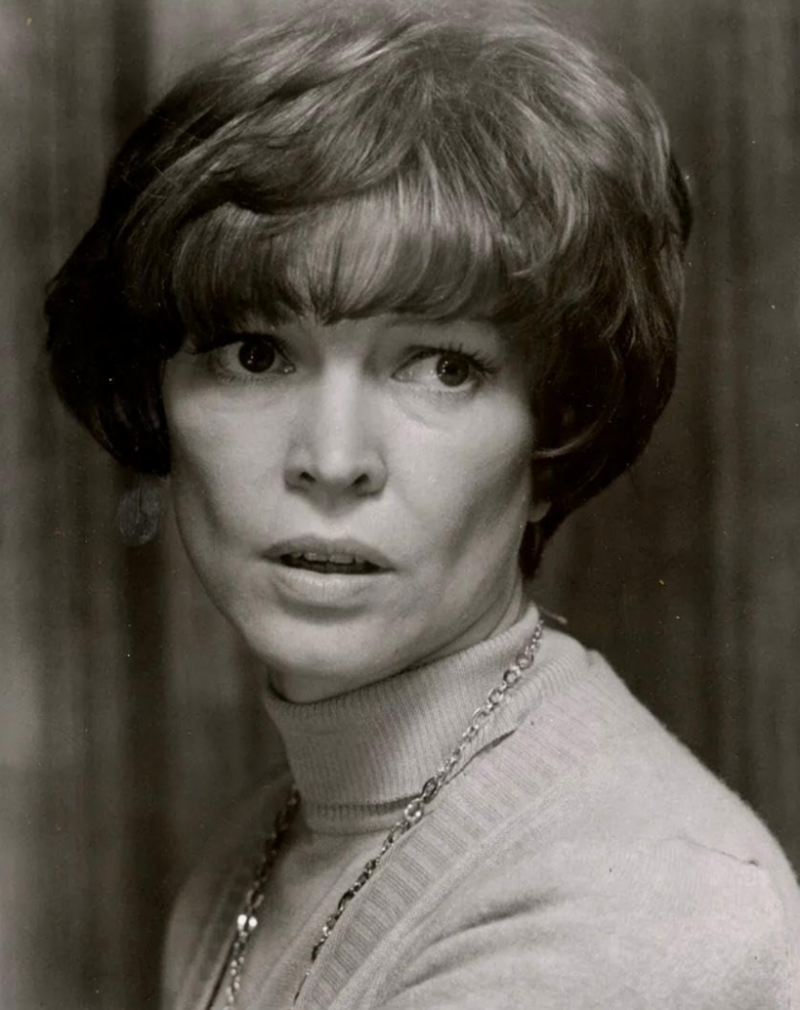
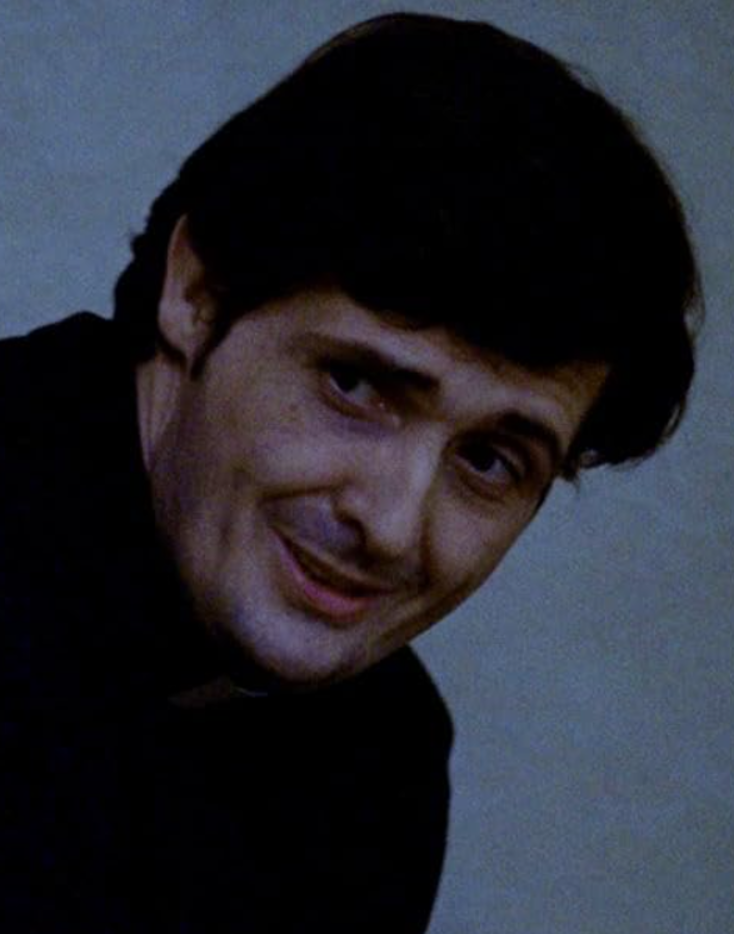
Mechanical effects were all over the place. The bed was shaking like mad; things were moving about the room; Regan was levitating and there were all sorts of rigs hidden about the set which were jerking and twisting her body. Dick Smith (the makeup man) created the increasingly scarred and bruised look of the possessed girl and designed the mechanical dummy for the moment when Regan's head is said to rotate. Smith also did another amazing bit of work in that Max von Sydow was in his early 40s and yet with the prosthetics he was able to convincingly turn him into the old Father Merrin.
Actress Mercedes McCambridge was largely responsible for creating the demon's distinctive voice. To achieve that nasty, guttural quality she reportedly smoked heavily, swallowed raw eggs and drank whiskey prior to recording. She was at times restrained during the sessions so that the strain of struggling would affect her breathing and delivery. Her work was absolutely vital to the character, and she was initially left off the credits which led to a dispute before she was duly credited.
Friedkin's pursuit of realism occasionally went too far. In the scene where Regan violently throws her mother backwards, Burstyn was attached to a harness which pulled her across the set. She later said she asked that the force be reduced as she was afraid of hurting herself. Instead, she was pulled quite hard on one take and landed badly, injuring her back. The scream of pain you hear in the film is genuine. It's one of the most disturbing examples of Friedkin's notoriously uncompromising approach to filming.
Filming in Georgetown gave the picture a great deal of its authenticity. Georgetown University, the surrounding streets and the characteristic row houses of the area all formed part of the film's look. The MacNeil house at 3600 Prospect Street wasn't actually situated close enough to the long flight of steps required by the story so the production built a false extension to make the geography work on screen. Those very steep stone steps (which are now famously known as the Exorcist Steps) were the scene of Father Karras' final fall and remain so to this day.

As filming went on the real misadventures started to feed the stories that there was something very sinister going on with the production. The most dramatic was the fire which destroyed the MacNeil house set and necessitated a major rebuild, causing a significant delay in the filming. Remarkably Regan's bedroom was almost entirely untouched. There were stories afoot of priests being asked to bless the production. All of this very quickly gave rise to the "Exorcist curse" mythology, particularly after a number of people associated with the film died during or shortly after the production.
One of the most frequently cited was Jack MacGowran as Burke Dennings. He died on January 30, 1973, very shortly after finishing his scenes. It was a real death, nothing supernatural about it. He'd caught influenza and died as a result of the complications. A number of the cast members' relatives also died during the long production. All of that coupled with the fire and Burstyn's injury gave a most unnerving atmosphere, but there was no suggestion whatsoever of the film being cursed. It was a very long production, running over many months and inevitably involved hundreds of people. There would have been all sorts of illness and death in such a production.
When The Exorcist got to the theaters the stories about it in the press only got more and more intense. People were lining up in the thousands, and the newspapers were full of accounts of people fainting, vomiting, shaking and running out of the theatres. Some of the more lurid stories were probably just that, but the theatre managers did report quite strong physical reactions from the audience. It was also the subject of protests and censorship battles at the time, primarily due to the combination of religious imagery with profanity, sex and graphic violence involving a child.

The controversy did absolutely nothing for the box office. A film produced for around $11-12 million; it became one of the biggest films of its time and went on to make well over $190m in its original domestic run. It also achieved something very rare for a horror film in terms of Academy Awards: 10 nominations, including Best Picture, Best Director (Friedkin), Best Actress (Burstyn), Supporting Actor (Miller) and Supporting Actress (Blair). It won two awards: Best Original Screenplay (William Peter Blatty) and Best Sound.
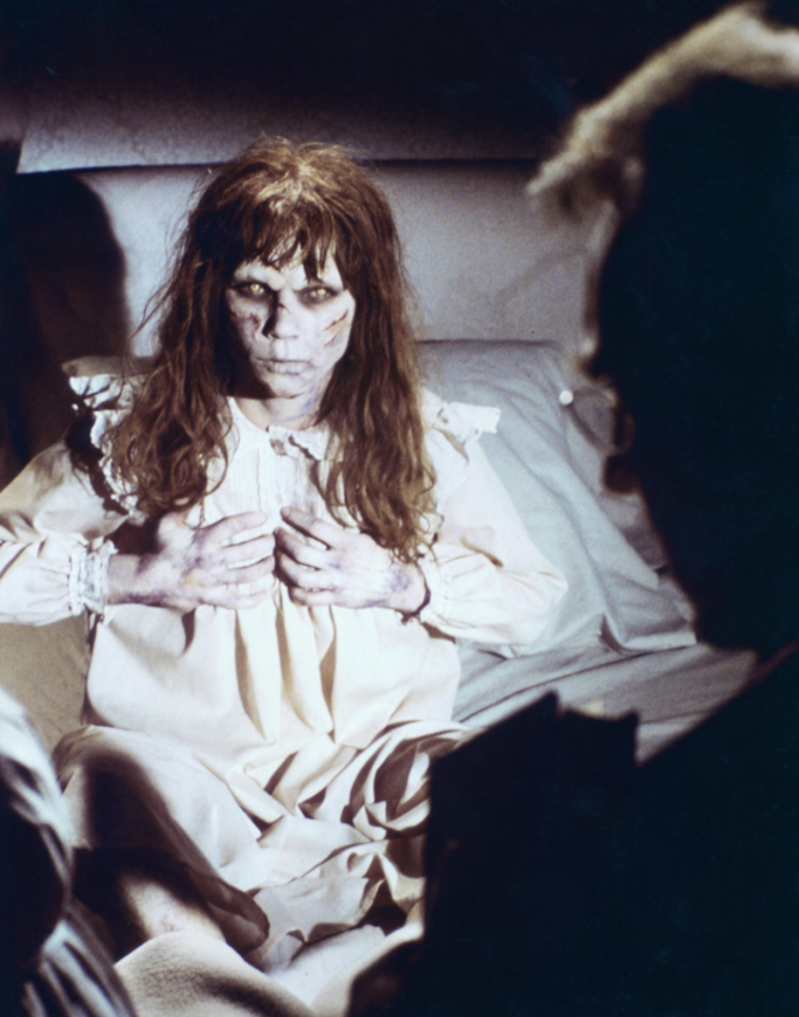
More than fifty years on, The Exorcist is still so disturbing not because of the curses, the fires, the fainting audiences etc. but because of the sheer seriousness with which it was made. Friedkin treated possession as if it were a real event. Blair made Regan sympathetic before making her terrifying. Burstyn gave the whole supernatural story a sense of a mother's desperation and Miller gave it a sense of spiritual doubt and vulnerability. Dick Smith made the impossible transformations seem utterly believable, and Mercedes McCambridge provided a voice that came from somewhere beyond the human.
It did suffer genuine accidents, genuine injuries and genuine losses. There is absolutely no evidence that The Exorcist was cursed. The more astonishing fact is that a whole team of film people worked incredibly hard to make the supernatural look real and they absolutely pulled it off. The result is that people have been talking about what happened on screen and what happened off screen ever since.
Check in tomorrow for a new Hollywoodland Revue story: “The Silent-Era Occult Craze.” Séances, spirit photography, fortune tellers, mysticism—and the Hollywood stars who were drawn to them. Discover the strange spiritual world that flourished alongside the silent movies.
If you enjoyed this behind-the-scenes look at the making of The Exorcist, I’d love to hear your thoughts. Please leave a comment below, rate the post, and share it with others who enjoy classic horror, film history, and the stories behind some of Hollywood’s most unforgettable movies.
Add comment
Comments