

Antoine Fuqua’s Michael arrives less as a conventional biography than as a massive, estate-approved act of cinematic resurrection: polished, expensive, musically electrifying, and deeply controlled. The film, written by John Logan and produced by Graham King with Jackson estate figures John Branca and John McClain, follows Michael Jackson from his Jackson 5 childhood through his solo superstardom and the Bad era, stopping before the later allegations and scandals that would permanently complicate his public legacy. Jaafar Jackson, Michael’s nephew and the son of Jermaine Jackson, makes his film debut in the title role, with Juliano Krue Valdi playing the young Michael, Colman Domingo as Joe Jackson, Nia Long as Katherine Jackson, Miles Teller as attorney John Branca, and Laura Harrier as Suzanne de Passe.
By Allan R. Ellenberger

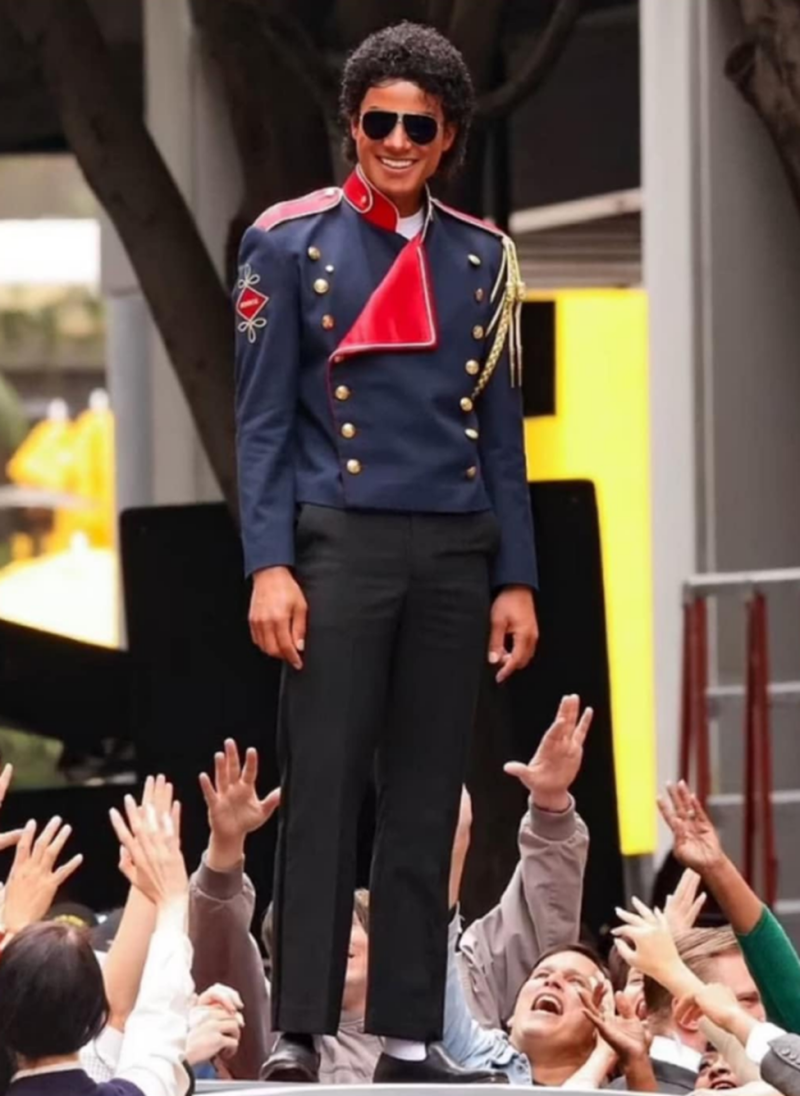
The film’s greatest strength lies in Jaafar Jackson’s remarkable debut performance, which has been widely praised even by critics who found the film itself evasive. His resemblance to Michael is not merely physical; he captures the tilt of the head, the nervous delicacy, the sudden command of the stage, and above all the fluid, almost liquid movement that made Jackson seem less like a dancer than a current of electricity. Reports indicate that Jaafar does sing in the film, though not always alone: some performance sequences blend his vocals with Michael’s original recordings, while certain studio or a cappella moments use Jaafar’s voice more directly.
As spectacle, Michael delivers. The recreations of “Thriller,” “Beat It,” and the Motown 25 “Billie Jean” performance are staged with high production values and obvious reverence, turning the movie at times into a visually immersive “greatest hits” experience. Fuqua, working with cinematographer Dion Beebe, production designer Barbara Ling, and costume designer Marci Rodgers, gives the musical sequences scale, shine, and momentum. When the film is moving to Jackson’s music, it becomes exactly what fans want it to be: thrilling, nostalgic, and almost impossible to resist.
The ensemble cast provides gravitas where the script permits. Colman Domingo lends Joe Jackson a terrifying intensity that makes him the standout screen villain of the piece (watching him destroy the Jackson legacy he helped build is painful), while Nia Long brings warmth and heart to Katherine Jackson. But the movie really shines when it doesn't flinch from showing us the violence lurking just beneath the shine - the rehearsals, the kids getting leaned on, the childhood ripped away for show business - and dulls when it tamps down just as things are getting interesting.
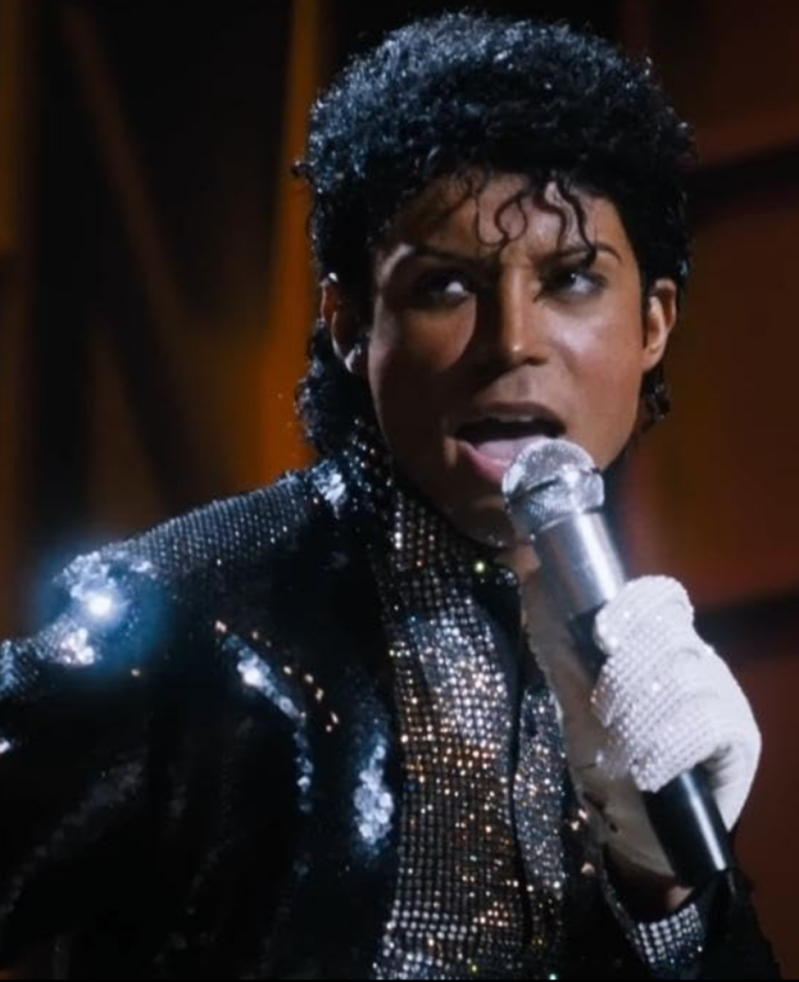
Jaafar Jackson as Michael
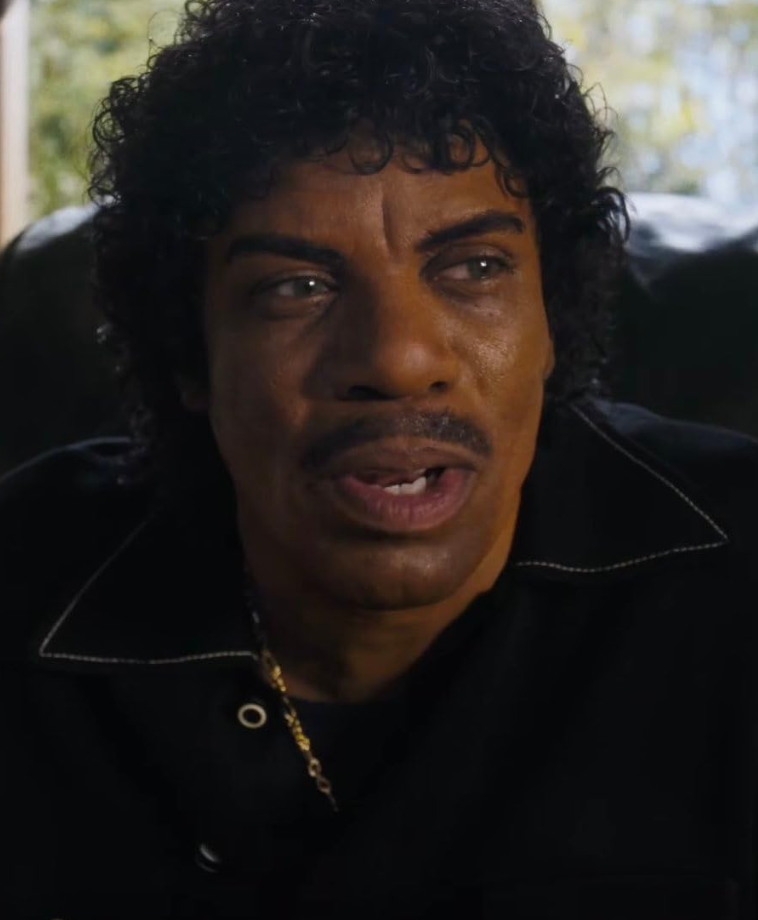
Colman Domingo as Joe Jackson

Nia Long as Katherine Jackson
That retreat has become the central criticism of Michael. The film was made with the participation of the Jackson estate, and its backstory has become nearly as controversial as the movie itself. Previous drafts allegedly addressed the 1993 child sexual abuse allegations; however, those scenes were cut following the discovery of a confidentiality clause within the Jordan Chandler settlement, leading to rewrites and reshoots. Figures on costs vary; Variety claimed reshoots took place in 2025 after changes to the third act, whereas People reported Fuqua and King got more pay after the allegations were cut.
That decision defines the finished film. By ending before the allegations, Michael avoids the darkest and most contested chapters of Jackson’s life. For admirers, this may feel like a fair focus on the artist at his creative peak. For some viewers it sanitizes him. You can’t make a movie about Michael Jackson and address every controversy around him. But you also can’t act like those controversies were irrelevant to who he was. They informed his later life, his legacy and how we discuss him still today.
Critics and audiences have split sharply. Many critics have praised Jaafar Jackson’s performance while faulting the film as safe, shallow, or overly protective. Reported reviews from outlets including the BBC, The Guardian, Empire, and RogerEbert.com criticized the movie’s lack of depth and point of view, while more favorable voices, including Deadline and Variety, found it effective as a middle-of-the-road musical biopic. Audiences, however, have responded far more warmly, with CinemaScore reportedly giving the film an A– and Rotten Tomatoes audience reactions far outpacing the critical response.

One of the strangest omissions is Janet Jackson. In a film filled with Jackson family figures, Janet is not portrayed, and neither are Rebbie or Randy. La Toya Jackson said Janet was invited to be included but “kindly declined,” and Fuqua has publicly framed the decision respectfully, noting Janet’s support for Jaafar. Entertainment Weekly noted that Michael's son, Prince Jackson, has an executive producer credit.
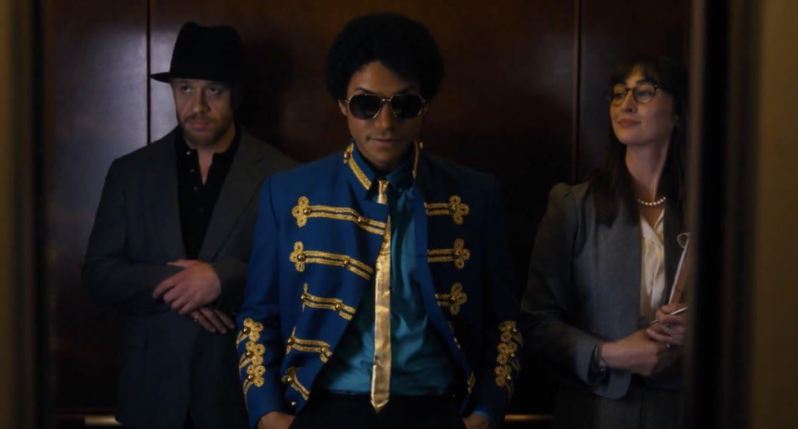
The absence has naturally fueled speculation. TMZ reported that Janet and Jermaine clashed after a private family screening, and Vanity Fair noted that the exact reason for Janet’s absence remains unconfirmed but may involve long-running family tensions, including divisions around Randy, Jermaine, and the handling of Michael’s legacy. Those reports should be treated cautiously, but they help explain why Janet’s absence feels so conspicuous. She is not only Michael’s sister; she is one of the most successful pop artists in history and an essential part of the Jackson family story. To remove her entirely creates a visible gap.
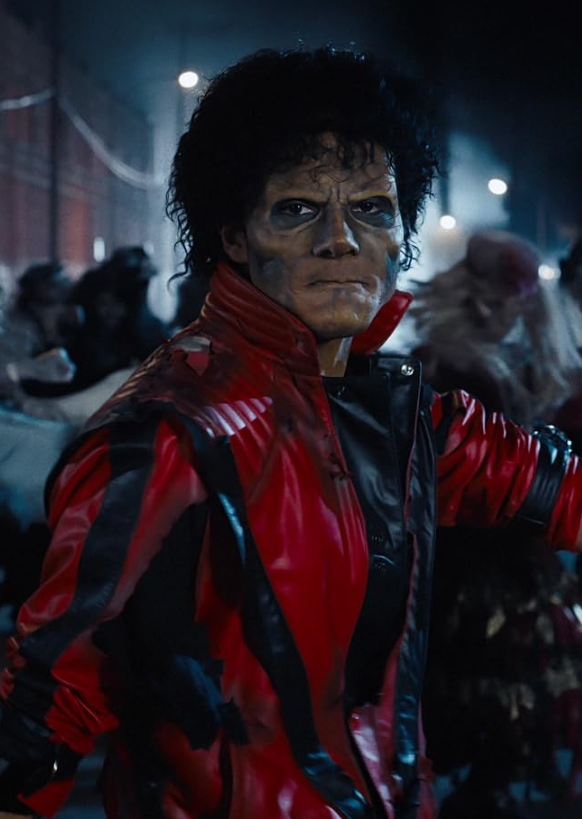

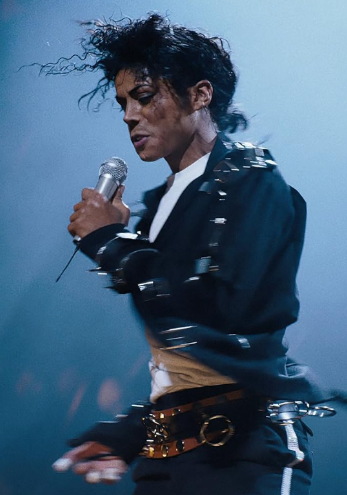
In the end, Michael succeeds brilliantly as a musical tribute but only partially as biography. It gives audiences the icon, the choreography, the hits, the glittering ascent, and a star-making performance from Jaafar Jackson. What it does not give is the full reckoning. The film wants us to remember the wonder, and there is plenty of wonder here. But Michael Jackson’s story was never only wonder. It was genius, damage, discipline, beauty, contradiction, and unresolved moral complexity. As entertainment, Michael may be a 2026 crowd-pleaser. As a serious portrait of one of the most complicated figures in modern popular culture, it dances beautifully—but too often steps away from the hardest truths.
“Michael is a sweeping, visually electrifying tribute that captures the magic, artistry, and cultural impact of a once-in-a-generation performer, anchored by Jaafar Jackson’s astonishing and deeply felt debut.” -- The Hollywoodland Revue
If you enjoyed my review of Michael, please take a moment to comment, rate, and share your thoughts with fellow film enthusiasts.
Add comment
Comments