

When Neil Sedaka died on February 27, 2026, at the age of 86, the world lost one of its most gifted and enduring musical storytellers — a pop auteur whose melodies became the emotional currency of teen life, heartache, celebration and nostalgia across more than half a century. Tributes poured in almost instantly from fans, fellow musicians, and those whose personal soundtracks had been fashioned by his piano-driven hooks and sunny vocal style. “Our family is devastated by the sudden passing of our beloved husband, father and grandfather,” his family said in a statement. “A true rock and roll legend, an inspiration to millions, but most importantly … an incredible human being who will be deeply missed.”
By Allan R. Ellenberger

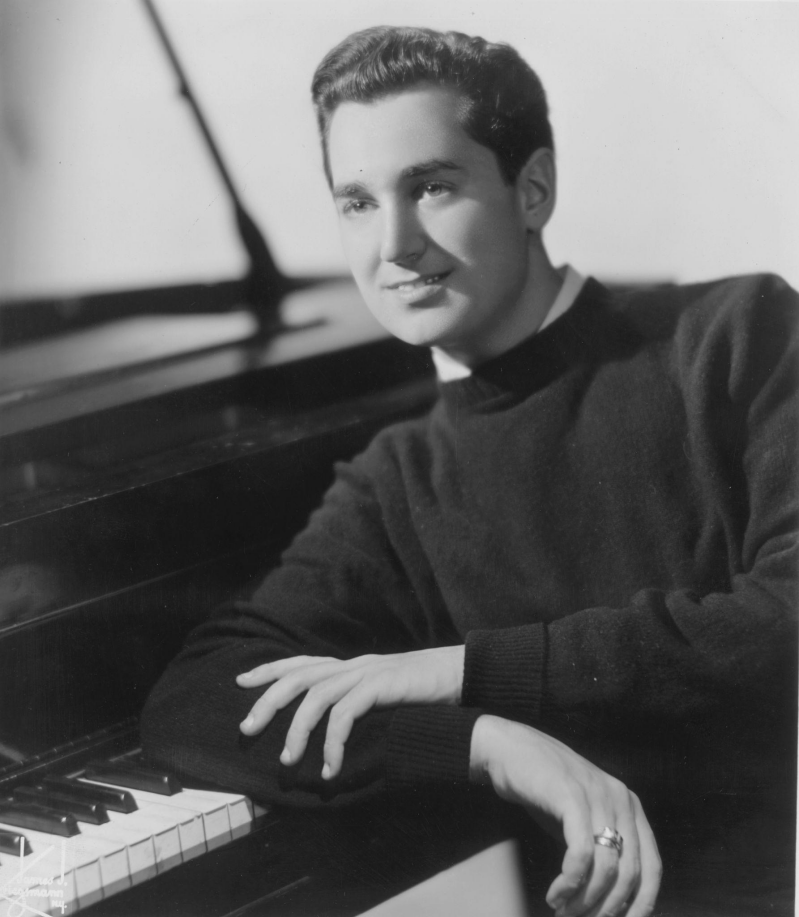
Neil Sedaka (1939–2026), the Brooklyn-born piano prodigy who became one of pop music’s most enduring hitmakers, photographed during his early 1960s chart-topping years and later during his 1970s comeback era; across more than five decades, his melodies defined generations.
Born March 13, 1939, in Brooklyn, New York, Sedaka grew up in a close-knit Jewish family in the Brighton Beach section of the borough, the son of Eleanor (née Appel) and Mordechai “Mac” Sedaka. From an early age he displayed prodigious musical talent; after a choral teacher suggested he take piano lessons, he won a scholarship at The Juilliard School of Music’s Preparatory Division for Children, where he began rigorous classical training that would later underpin his pop craftsmanship.
At the age of thirteen Sedaka met lyricist Howard Greenfield, who lived in the same neighborhood. Greenfield became Sedaka's lifelong songwriting partner. Together, Sedaka and Greenfield were at the forefront of the Brill Building sound, a style of songwriting prevalent in late-1950s and early-1960s teen pop music. Hits like "Oh! Carol", "Calendar Girl", "Happy Birthday Sweet Sixteen", and Sedaka's 1962 hit "Breaking Up Is Hard to Do", reflected the optimism and naive point of view of young teenagers. Sedaka went on to sell millions of records worldwide.
Beyond writing his own hits songs, Sedaka and Greenfield wrote several songs that became pop standards written for others including Connie Francis's "Stupid Cupid" and "Where the Boys Are", as well as writing songs later performed by artists of many genres. Artists who have covered his songs include the Carpenters, Elvis Presley, Tom Jones, Captain & Tennille among many others.
Despite his diminished chart performance due to the mid-1960s British Invasion, Sedaka continued to write and record new music. The 1970s brought about his successful comeback with hits such as the smooth ballad and introspective "Laughter in the Rain" (which reached No. 1 on the Billboard Hot 100 chart in 1975), and "Bad Blood" which also reached No. 1 on the Billboard Hot 100 in 1975. Other performers also enjoyed success with Sedaka's songs during the decade, particularly Captain & Tennille with Sedaka's song "Love Will Keep Us Together".
Beyond his own recordings, Sedaka’s artistic curiosity and musical versatility remained constant. He collaborated with international acts like ABBA early in their career, contributing to their first global hit, and continued writing and performing through changing musical eras. His repertoire expanded to encompass more than two dozen albums and a songwriting catalog of hundreds of songs.
On stage and off, Sedaka was known for his prodigious work ethic and enduring commitment to his craft. Even into his later years, he continued to perform concerts, engage with fans, and share his music with new generations, remarking decades earlier on the enduring thrill of creation and connection through song.
In his personal life, he was married to Leba Strassberg in 1962, and their marriage endured for more than six decades. Together they had two children, a daughter, Dara, who also pursued music, and a son, Marc, who became a writer — a legacy of artistic expression that continued his familial impact on culture.
Sedaka’s death, which followed a sudden hospitalization earlier in the day, brought an outpouring of affection from across the entertainment world.
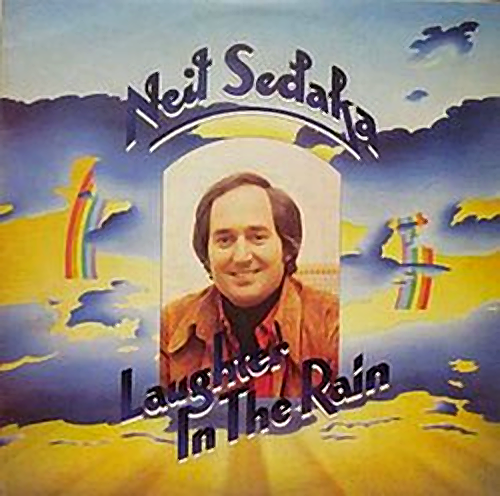
Neil Sedaka’s life — from piano prodigy in Brooklyn to pop icon of multiple generations — was a testament to the power of melody to define eras, bridge divides, and capture the human heart. His music lives on in every corner where a chorus lingers in memory long after the record has stopped spinning.
If Neil Sedaka’s remarkable life and music touched you, please leave your memories in the comments, rate the obituary, and share it with fellow music lovers who grew up with his unforgettable songs.
Add comment
Comments
my parents and grandparents loved him..i listened to his later music...a supreme talent! he will be greatly missed!
Thanks for sharing, Judith.