

Saturday afternoon I attended a special screening of the long un-seen Letty Lynton (1932) hosted by the Art Deco Society and Hollywood Heritage at the restored 1929 American Legion Hollywood Post 43 Theatre. The magnificent new 4K restoration of the Joan Crawford film was introduced by film historians Scott Eyman, George Feltenstein and Richard Adkins who shared insights on the incredible journey to bring the film back to life.
By Allan R. Ellenberger
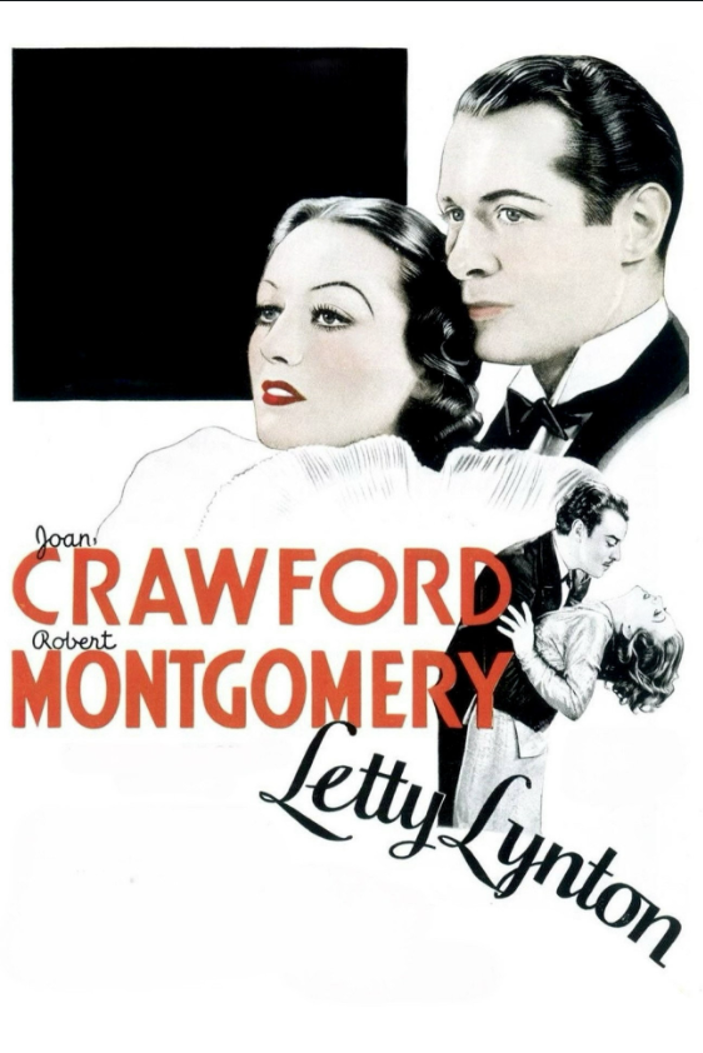
Many motion pictures have earned the label "lost," but Letty Lynton occupies a category all its own. Instead, legal problems kept it out of sight, even as people praised it. For years, it was one of Hollywood’s forbidden treasures. Now, nearly a century later, the film has returned, letting today’s audiences experience a gripping pre-Code drama and a special part of Hollywood history.
Letty Lynton is a 1932 MGM pre-Code melodrama film directed by Clarence Brown and starring Joan Crawford, Robert Montgomery, Nils Asther and Lewis Stone. Based on a novel of the same name by Marie Belloc Lowndes (inspired in part by the nineteenth-century Madeleine Smith murder case), Letty Lynton stars Crawford as a wealthy young American woman trying to break free from a destructive affair. On a return trip from South America, she deserts her jealous lover Emile Renaul (Nils Asther) and falls in love with the kind-hearted Jerry Darrow (Robert Montgomery) aboard ship. Emile soon tracks Letty down to New York City and threatens to expose her if she won't give up Jerry and run away with him. When he refuses to release her from their past, he becomes violent. At this point, Letty secretly planned to take her own life, but fate had other solutions.
Letty Lynton doesn't paint its title character as a cold-blooded murderess who kills to keep a man. Instead, she is shown as a scared young woman driven to panic when backed into a corner. The film deals quite openly with sexual relationships, strong-arm tactics, threats, questionable morals and violence which places it solidly in the pre-code era; made just two years before Hollywood would crack down on films with the Production Code.
When Letty Lynton came out in 1932, critics praised it and audiences loved it. The film made over a million dollars worldwide, making it MGM's top earner that year. Many critics called Crawford’s performance one of her best, and the direction and supporting cast also received praise. Some critics were unsettled by the film’s open approach to sexuality and murder, and moral groups questioned how it passed the studio’s self-regulation.
Surprisingly, the problem with the film being withdrawn wasn’t censorship but a lawsuit. Soon after its release, playwrights Edward Sheldon and Margaret Ayer Barnes sued MGM, saying they wrote Dishonored Lady and that MGM had based Letty Lynton on their play. MGM owned the rights to Lowndes’ novel, not the play, but the two works were very similar. MGM fought the lawsuit for years but lost in 1936, so the film was pulled from theaters. The case became a landmark in copyright law, letting the plaintiffs recover profits. For movie fans, though, it just meant that a major MGM hit disappeared for almost ninety years.
Even though Letty Lynton was unavailable for years, it still influenced pop culture. The film became famous more for its fashion than its story. Costume designer Adrian made a white organdy gown with large puffy sleeves for Crawford. Department stores across America sold thousands of copies to excited customers. The "Letty Lynton dress" is now seen as one of cinema’s biggest fashion trends.
For many years, Letty Lynton was known only through rumors and illegal copies shared by collectors or found in shady downloads. Then, everything changed. The legal threat disappeared. When Dishonored Lady’s copyright ended in late 2025, the film was finally cleared. Warner Bros., which now manages MGM’s library, restored Letty Lynton in 4K. For the first time since the 1930s, the film became officially available.
Letty Lynton made its official comeback at the TCM Classic Film Festival in 2026, where it had a special re-premiere. For many attendees, watching the film was more than just a revival. It was a rare opportunity to see a major studio movie that had been hidden for generations.

Festival reports said the film drew large crowds. Its rarity excited viewers, and its bold, stylish pre-Code content made it feel like a real rediscovery. As for me, I loved this film. Today, Letty Lynton stands as a polished MGM romance and early noir thriller, as well as a snapshot of Hollywood’s moral concerns during the Depression era. Crawford gives a performance that is both vulnerable and clever, and it still feels fresh. Brown directs the film with style and suspense, and the script explores its complicated situations. The film is more of a melodrama than a morality play, following a heroine who faces scandal and comes out changed, much like how getting away with murder was seen as bold at the time.
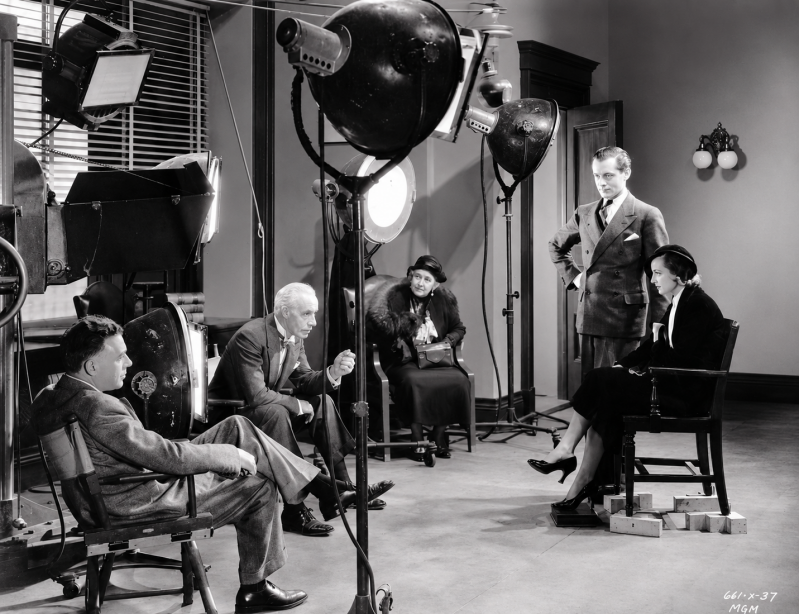
Behind the scenes of Letty Lynton (1932): Director Clarence Brown confers with stars Lewis Stone, May Robson, Robert Montgomery, and Joan Crawford during the production of MGM’s stylish and controversial romantic drama.
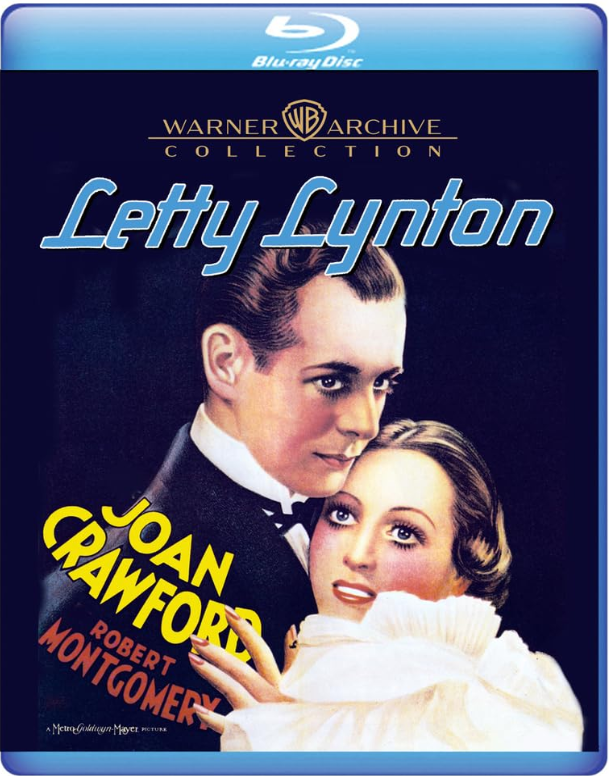
After years of being unavailable, people had stopped asking if Letty Lynton would ever return. With the restoration now complete, Warner Archive released the film on Blu-ray and DVD on June 30. This means people can finally add it to their home collections and researchers can study it more easily. For a film that was once so rare, this new access is a big change.
The most remarkable thing about Letty Lynton is not its story, but the fact that it returned at all. Hollywood often reinvents itself, but few films have gone from success to obscurity and then come back decades later with their mystery still alive. Letty Lynton refused to be forgotten, and its return is both entertaining and a reminder of how history can be both brief and lasting.
To purchase Letty Lynton at Amazon, CLICK HERE.
Be sure to check back tomorrow as I take you back to the windswept bluffs of Santa Ynez Canyon to explore the fascinating history of Thomas H. Ince's pioneering seaside motion picture studio, Inceville. Discover how this groundbreaking filmmaking community helped shape the early motion picture industry, the stars and productions that brought it to life, and the tragic fire that brought one of Hollywood's first great studios to an unforgettable end.
If you enjoyed my look at the long-awaited DVD release of Letty Lynton, please take a moment to leave a comment, rate the article, and share it with fellow classic film fans who have waited decades to see this legendary film return to circulation.
Add comment
Comments