

Ann Blyth was one of the last living stars from Hollywood's Golden Age of movies. Possessing stunning good looks, a trained singing voice, and the ability to handle drama as easily as musicals or film noir, Blyth enjoyed a successful career that was classy, professional, and carried with it an air of dignity. She will always be remembered for playing one of film's most iconic villains, yet everyone who worked with her spoke of her as if she were the exact opposite: warm, gracious, devoutly religious, and a loving mother.
By Allan R. Ellenberger

Anne Marie Blythe was born on August 16, 1928, in Mount Kisco, New York. Her father abandoned them when she was very young, and Ann and her sister Dorothy, along with their mother, moved to New York City, where her mother started boarding and laundering clothes for other families to make ends meet. As a young child, she revealed a tremendous musical talent. Performing on children's radio shows by age 5, she also joined the New York Children's Opera Company at age 9 and became known for her soprano voice.
Broadway soon followed. In 1941, she appeared in Lillian Hellman's popular anti-fascist play Watch on the Rhine as the daughter of Paul Lukas. When it transferred to Los Angeles, Universal Pictures executives were impressed and signed the teenage actress to a studio contract. She changed the spelling of her name from Anne Blyth to Ann Blyth and soon appeared in a series of light musical fare showcasing her youth, such as Chip Off the Old Block, The Merry Monahans, and Babes on Swing Street. Her career was permanently altered in 1945 when she was loaned out by Universal to Warner Bros. to portray Veda Pierce in Michael Curtiz's film noir classic Mildred Pierce.
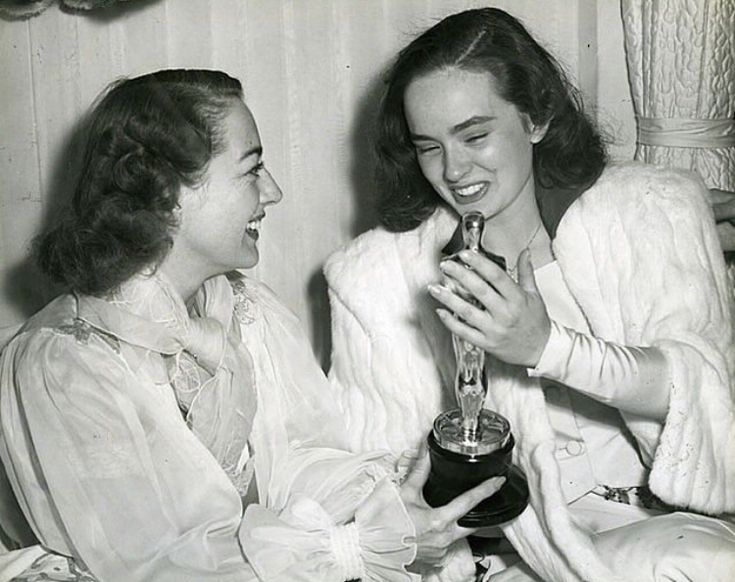
Only sixteen at the time, Blyth stunned audiences with her portrayal of Joan Crawford's spoiled, selfish, and later murderous daughter. Capable of shocking verbal and physical violence, Veda was a cinematic monster, cold and calculating, and Blyth fearlessly inhabited the role. She received an Academy Award nomination for Best Supporting Actress, making her, at the time, the youngest performer ever nominated for that honor. Crawford went on to win Best Actress, but Blyth's performance as Veda would forever be considered one of film noir's most iconic.
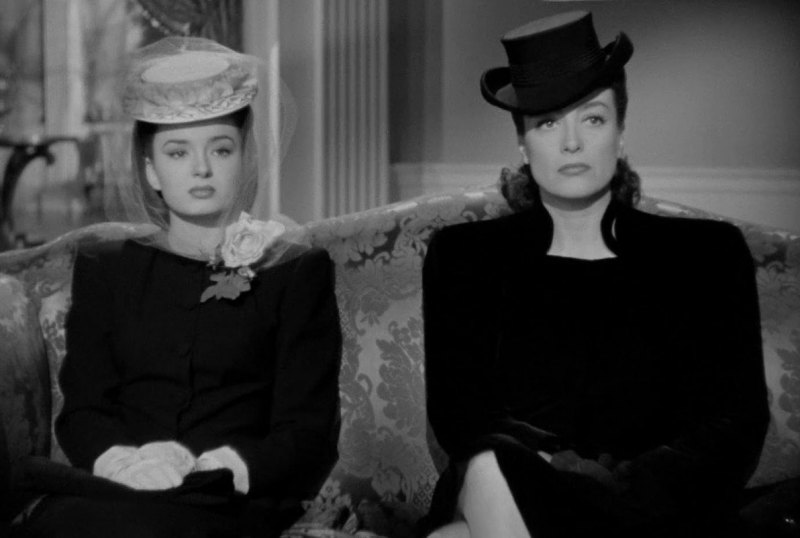
Far from being pigeonholed as an evil girl, Blyth showed range. She co-starred with Burt Lancaster in prison drama Brute Force (1947), with Charles Boyer in A Woman's Vengeance (1948), and with William Powell in the comic fantasy Mr. Peabody and the Mermaid (1948). She was at home in westerns, romantic comedies, costume adventures, or grand MGM musicals.
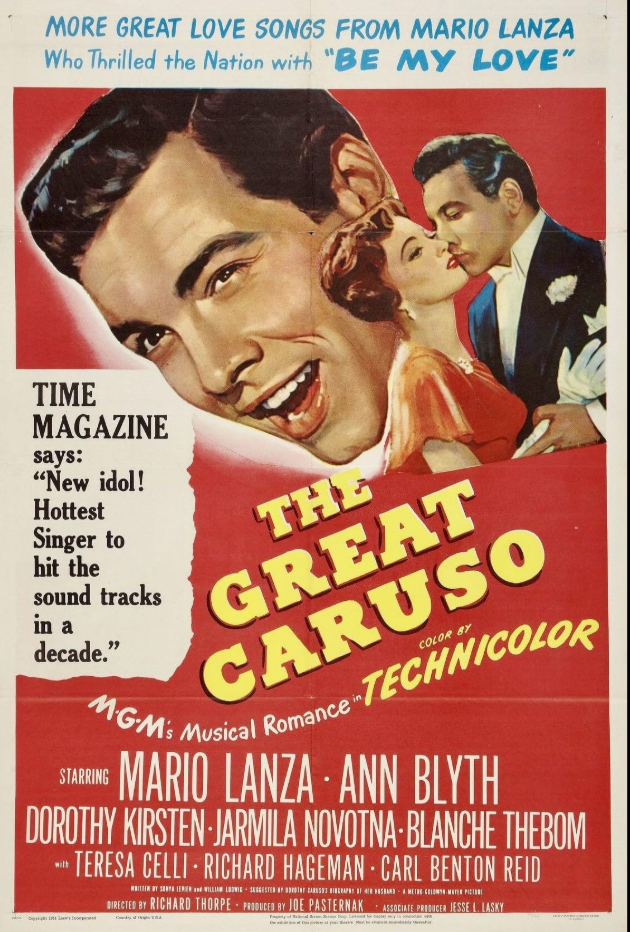
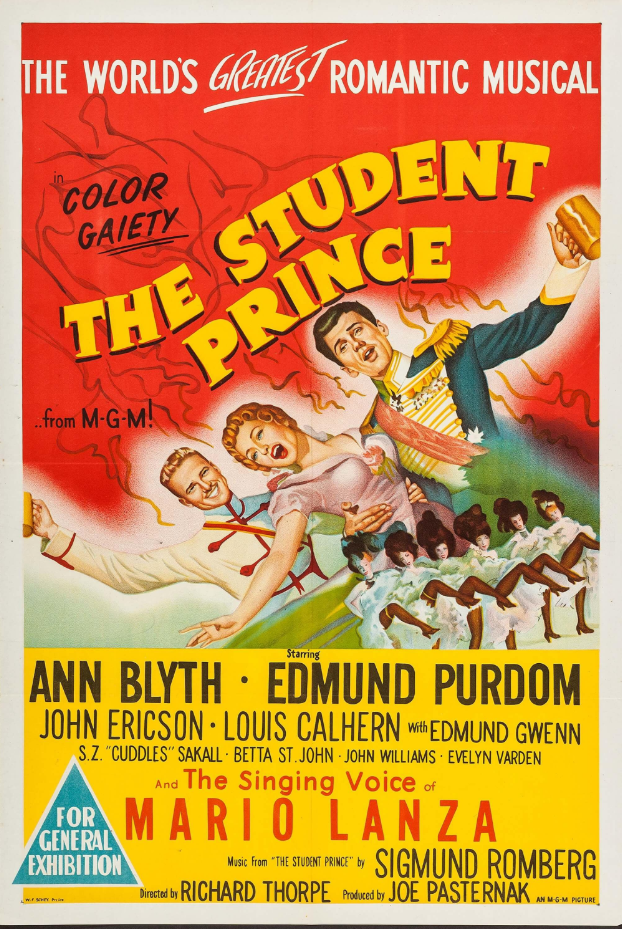
One of Blyth's most notable achievements was in The Great Caruso (1951), opposite Mario Lanza. Trained in music, Blyth was able to legitimately compete with the film's grandiose opera aspirations and quickly became one of MGM's top stars after departing Universal. Rose Marie (1954), The Student Prince (1954), The King's Thief (1955), and Kismet (1955) followed, and she continued to prove that she was so much more than just "Veda Pierce." Despite a mixed reception, The Helen Morgan Story (1957) featured one of Blyth's most underrated performances as the doomed torch singer.

While Hollywood was evolving in the late 1950s, Blyth effortlessly transitioned to the stage and television rather than bucking trends. She enjoyed success as a featured player in productions of The King and I, Show Boat, and The Sound of Music, as well as guest-starring roles on television series such as The Twilight Zone, Wagon Train, The Dick Powell Theatre, Burke's Law, Quincy, M.E., and, in one of her last filmed appearances, Murder, She Wrote in 1985. She retired from acting soon thereafter. Her career encompassed more than five decades.
Over the course of her career, Blyth developed a reputation as one of Hollywood's grand dames. She was complimented by directors for her professionalism, by actors for her preparation, and by journalists for her humility. Rarely involved in scandals like many actors of her era, she preferred family life to Hollywood partying. Friends noted the contrast between how the audience remembered her hateful roles, such as Veda Pierce, but how peers actually knew her as one of the nicest in the business.
This reputation matched her priorities in real life. In 1953, she married obstetrician Dr. James McNulty, after his brother, singer and actor Dennis Day, introduced them. Their wedding received high-society coverage. The deeply religious Catholic couple was honored later by Pope Pius XII. She and her husband raised five children. Blyth consciously slowed her film output to spend more time at home. McNulty died in 2007, after more than fifty years of marriage.
Occasionally, after her retirement, Blyth would surprise aficionados of classic films by making personal appearances at screenings or festivals of Golden Age Hollywood movies. She showed up at a San Francisco screening of Mildred Pierce in 2006, to the surprise of fans, who were reminded anew of the juxtaposition between Blyth's mild-mannered personality and her star-making performance as a screen villainess many years earlier.
With the death of Ann Blyth, another piece of Hollywood's legacy slips away. She was part of a unique breed of performers who could sing, dance, act, and could as easily cross over from radio to Broadway or from colorful musicals to film noir. But maybe what she did best was simply this. In a town where staying power is measured in inches, she managed to stay respected, admired, and beloved for over eight decades.

Actress Ann Blyth on her 95th birthday.
Her performance as Veda Pierce guaranteed her cinematic immortality. Her grace away from the cameras ensured that those who worked beside her remembered something even more enduring: a gifted actress whose talent was matched only by her character.
If you enjoyed my tribute to the remarkable Ann Blyth, please take a moment to leave a comment, rate the article, and share it with fellow classic film fans to help celebrate the life and legacy of one of Hollywood's last true Golden Age stars.
Add comment
Comments
She was my favorite actress and I had read about her children, husband, and her career. Wished I could have seen her in person.
Enjoyed this article,I remember her well.ps same age lol
Thank you, B, for you comment. Good for you.