

Anne Heche stood out among actresses of her generation for living openly and honestly. Long before most people discussed sexual fluidity, she was caught in a cultural debate she never asked for. She gained fame through her movies, but headlines often focused on her personal life. People remember her for her talent, her struggles, and her determination not to let others define her. In an industry obsessed with image, Anne often pushed back against the idea that identity is simple or easy to label.
By Allan R. Ellenberger

Anne Celeste Heche was born on May 25, 1969, in Aurora, Ohio, into a family dealing with instability and secrets. Her father, Donald Heche, was deeply religious and maintained a conservative image, but his private life was more complicated. The family moved frequently and often had money problems, so Anne's childhood was marked by upheaval and emotional pain. When she was thirteen, her father died from AIDS. Discovering that he had same-sex relationships while publicly condemning homosexuality had a lasting impact on how Anne thought about identity, secrecy, and honesty.
A few months after her father's death, Anne's brother Nathan died in a car accident, something she later spoke about openly. The family continued to struggle financially, and as a teenager, Anne worked at a dinner theater in New Jersey to help support them. Despite the chaos, her natural charisma and talent soon led her toward acting.
Anne's big break came in 1987 when she joined the soap opera Another World, playing both Vicky Hudson and Marley Love.
Her performance showed impressive range for someone her age, and audiences took notice. By 1991, she had won a Daytime Emmy Award and was considered one of television's brightest young stars.
Hollywood soon recognized her talent, and during the 1990s, Anne Heche built a strong film career. She acted with Johnny Depp in Donnie Brasco (1997), appeared in Wag the Dog (1997), starred with Harrison Ford in Six Days, Seven Nights (1998), and played Marion Crane in Gus Van Sant's remake of Psycho (1998). Critics often praised her intelligence, unpredictability, and emotional courage. Her performances always had a unique edge.
But Anne Heche was known for more than just her acting in Hollywood. In 1997, Anne began dating comedian and television star Ellen DeGeneres. Looking back, their public relationship was truly groundbreaking. At that time, Hollywood was still uncomfortable with openly LGBTQ couples, especially among major stars. Anne and Ellen attended events together and did not hide their relationship. The tabloids followed them closely, but they also became one of the first same-sex celebrity couples to live openly in the public eye.
The backlash was swift. Anne later said that being with Ellen cost her job opportunities and made studio executives hesitant to cast her. While it's hard to know if every lost role was due to public prejudice, it's clear that Hollywood in the late 1990s was still conflicted about openly queer stars.
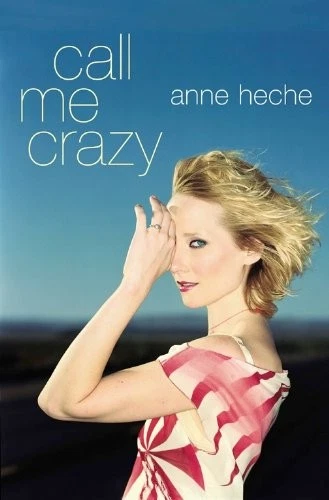
Anne's story was even more complicated because she refused to accept the labels others tried to give her. Many journalists called her bisexual, while others tried to label her as gay or straight depending on who she was dating. Anne rejected these labels. In interviews and in her memoir Call Me Anne, published after her death, she said she never saw herself that way.

"I did not, personally, identify as a lesbian," she wrote. "I simply fell in love."
She also said that neither "gay" nor "straight" felt right to her. For Anne, attraction was about the person, not a category. She even joked that maybe "alien" was the only label that fit. Long before most people talked about "sexual fluidity," Anne was already trying to explain that idea.
Anne and Ellen broke up in 2000, but Anne's views on sexuality did not change. She later married Coley Laffoon, a cameraman and real estate advisor, and they had a son. After that, she was in a long-term relationship with actor James Tupper, her co-star on Men in Trees, and had another son. Even while married, Anne said that marrying a man did not make her straight. At the time, this confused many people, but now it seems ahead of its time.


Over time, Anne's career became closely connected to public conversations about trauma and mental health. She spoke openly about childhood abuse, dissociation, emotional struggles, and the lasting effects of family problems. In 2000, not long after breaking up with Ellen, she wandered into a stranger's home in California. The tabloids covered the story heavily, but later, people saw it more as a sign of mental health struggles than just celebrity behavior.
Anne continued to work steadily, mostly in television. She appeared in shows like Men in Trees, Hung, Save Me, The Brave, and Chicago P.D., as well as in many independent films. Although she did not return to the leading roles people expected in the late 1990s, she remained respected and showed great resilience as a performer.
Anne's life ended tragically in August 2022. On August 5, she was severely injured when her car crashed into a home in Los Angeles and caught fire. The accident drew intense media attention and speculation. Despite extensive medical efforts, she suffered catastrophic brain injuries and was declared legally dead on August 11, 2022, at age fifty-three. Following her wishes, her organs were donated to people in need before life support was withdrawn.

After she was cremated, Anne's ashes were placed at Hollywood Forever Cemetery in the Cathedral Mausoleum Extension (West Elevation—West Wing, Wall 12, Crypt B-1202). It is a fitting place for someone who spent her life facing Hollywood's complicated views on individuality, nonconformity, and personal truth.
Today, Anne Heche holds a special place in both Hollywood and LGBTQ history. She was not a traditional activist or someone who tried to become a symbol. But by refusing to fit into expectations—whether from Hollywood, the media, or even the LGBTQ community—she helped start conversations about identity long before these topics were widely discussed.
Anne Heche's life was messy, painful, sometimes controversial, and often heartbreaking. But it was also brave. She spent much of her life showing that people are more complex than their labels suggest. At a time when society is quick to put everyone into categories, that may be the most important lesson she left us.
Tomorrow on The Hollywoodland Revue: this week’s “Coming Attractions” roundup featuring the newest theatrical releases, critical reactions, audience buzz, and recommendations on what may—or may not—be worth your ticket money.
If you enjoyed this profile of Anne Heche and her complex journey through Hollywood, love, identity, and personal struggle, please take a moment to comment on, rate, and share the article with fellow readers.
Add comment
Comments
Well said ~ she truly was amazing. Warmly, Rosemary