

Long before Clark Gable became the "King of Hollywood" and starred in classics like It Happened One Night, Mutiny on the Bounty, or Gone with the Wind, there was Josephine Dillon. She was older, experienced, and driven, with a deep understanding of theater. She recognized potential in a young actor that others overlooked. In many respects, she was more than just Gable's first wife—she played a key role in building his career.
By Allan R. Ellenberger
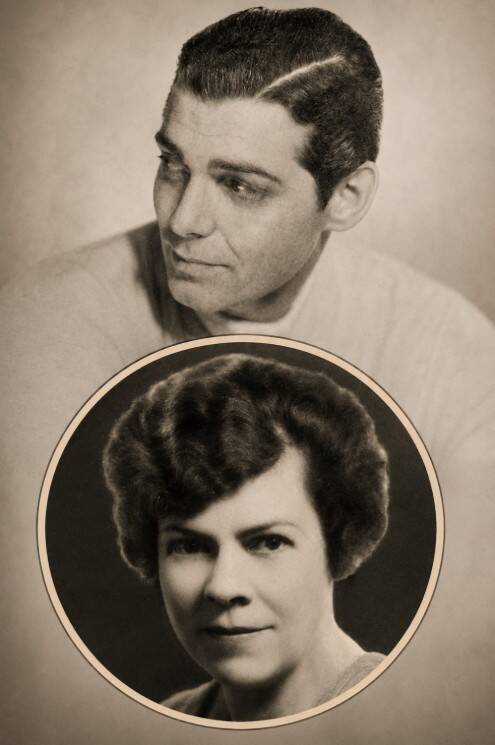
Josephine Dillon met Clark Gable in Portland, Oregon, in the early 1920s, not knowing how much their lives would change. Born on January 26, 1884, in Denver, Colorado, Dillon grew up with advantages Gable never had in Ohio. She studied acting at Stanford and in Europe, then performed on stage in New York and abroad. Later, she became a teacher and director, working with aspiring actors and eventually opening her own dramatic school, the Little Theatre, in Portland.
In contrast, Gable was a struggling young actor, taking odd jobs with stock companies and road shows. He was mostly self-taught, awkward, and his voice needed work. Still, Dillon saw qualities in him that others missed. She started tutoring him every day on diction, posture, movement, and stage skills, believing he had the potential and appearance to become a leading man.
Their relationship soon became more than just mentor and student. Dillon was about seventeen years older than Gable, which drew attention even at the time. Friends and colleagues questioned their romance, but the two became inseparable. Dillon invested everything in him, including her own money.
She paid for his dental work so he would have a bright smile, encouraged him to change his hairstyle, coached him on gaining weight, and worked hard to turn the awkward young actor into someone who could succeed.
On December 13, 1924, after deciding to move to Hollywood together, they married in Los Angeles. Gable was just twenty-three, while Dillon was forty (although she listed her age as 34 on her marriage certificate). Their marriage was both a partnership and a romance. Dillon took on the roles of manager, coach, publicist, and strongest supporter. While most aspiring actors came to Hollywood on their own, Gable had someone dedicated to helping him succeed.
Success in Hollywood did not come right away. Like many others, Gable struggled at first. He worked as an extra and in small roles and kept acting on stage. When film opportunities slowed, he returned to theater, improving his skills with stock companies and touring shows. Dillon always believed he would succeed and kept coaching him. She often pushed him hard, repeating lessons in speech and movement. Later, she said she had shaped almost every part of his career for over six years.
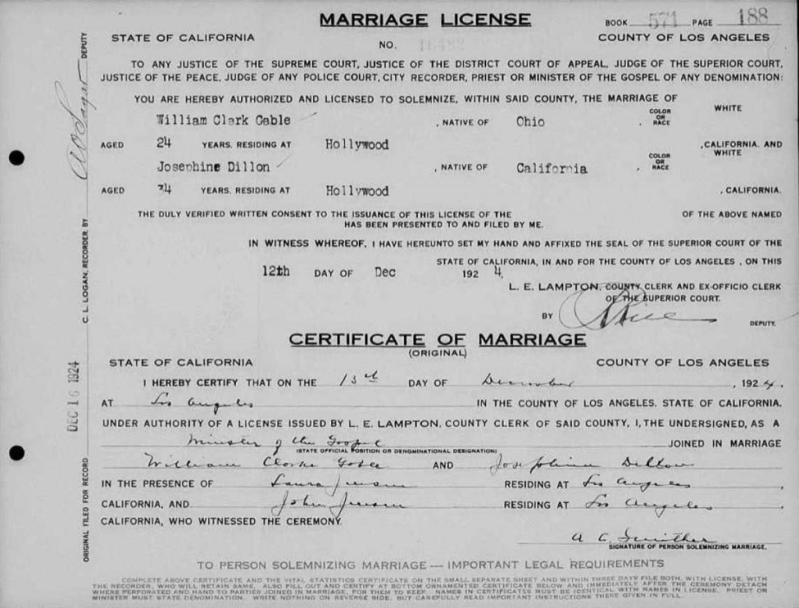
The marriage license of William Clark Gable and Josephine Dillon, issued in Los Angeles County in December 1924. The document records the union of the 24-year-old aspiring actor and his 40-year-old (she listed her age as 34) acting coach, a partnership that would play a pivotal role in shaping Gable's early career long before he became known as the "King of Hollywood."
Those years were often difficult. Money was scarce, and Gable's career moved forward slowly. Their marriage sometimes clashed with his ambitions. Dillon loved her husband deeply, but as Gable's career advanced, their relationship became more strained. The mentor-student dynamic that worked when he was unknown became harder to keep as Gable grew more independent.
By the late 1920s, Dillon's efforts started to pay off. Gable landed bigger roles on stage, including one in the play Machinal. Studio executives began to notice him. His good looks, deep voice, and natural confidence stood out in Hollywood as movies switched to sound. Suddenly, the qualities Dillon had helped him develop became valuable.
As Gable's career took off, his marriage was falling apart. In 1929, he asked Dillon for a divorce. Dillon later said he had brought up the idea before but refused because she thought he wasn't serious. Eventually, they could not avoid it any longer. Dillon filed for legal separation in March 1929, and their divorce was finalized on April 1, 1930.
The timing was perfect. Just weeks after he signed with Metro-Goldwyn-Mayer in 1930 and quickly became one of their top stars. Within a few years, he was among the highest-paid and most popular actors in Hollywood. In 1934, he won the Academy Award for It Happened One Night and soon became known as the "King of Hollywood."
Rumors spread that Gable had married Dillon just to advance his career. He denied these claims, saying publicly that he married Dillon out of love and owed her much for helping him when he was young. He reportedly accepted most of the blame for their divorce. Dillon rarely spoke badly about her ex-husband, even though she had reasons to do so.
After the divorce, Dillon became less well-known while Gable became a global star. She kept teaching acting and published Modern Acting in 1940, sharing many of her coaching methods. Her students included Gary Cooper, Rita Hayworth, Donna Reed, Linda Darnell, and Bruce Cabot. Though history mostly remembers her as Gable's first wife, she built a successful career as a respected acting coach and mentor.
Josephine Dillon did not remarry. As more biographies were written, Gable's legend grew. She rarely talked about their time together and never shared scandals when asked. She refused to use her connection to her famous ex-husband or speak poorly of him to the media. Perhaps she understood better than anyone how much of the Clark Gable the world admired was shaped during their years together.


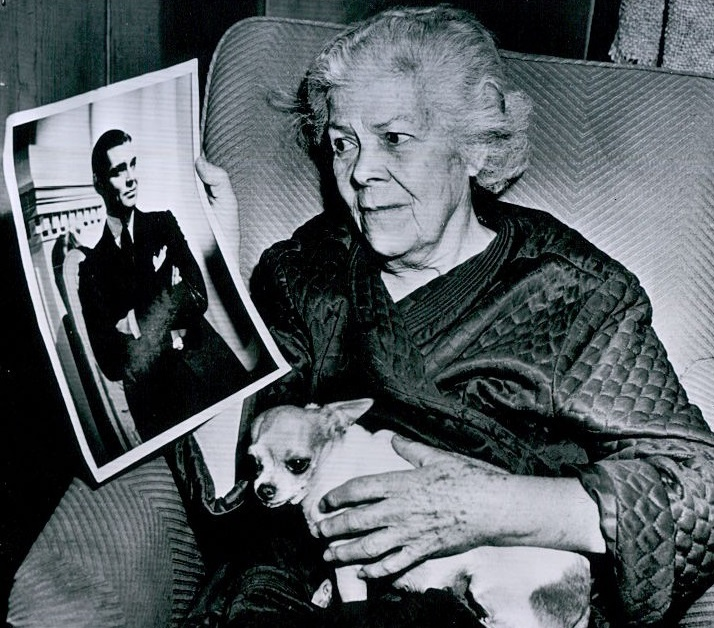
One of the more poignant disclosures after Clark Gable's death on November 16, 1960, was an entry in his will in which he specified that a house owned by him at 12746 Landale Street in North Hollywood be given to Dillon, then aged 75. Dillon stated that the house had originally been hers, but it had gone into jeopardy of mortgage foreclosure. Upon hearing of Dillon's situation, Gable had discreetly purchased it for her and allowed her to continue living there. After he died, Gable left her that house in his will.

Josephine Dillon died at the Rockhaven Sanitarium in Glendale, California, on November 11, 1971, at the age of eighty-seven. She was interred at Calvary Cemetery in East Los Angeles. By then, Clark Gable had been deceased for over a decade, and her husband's place in history was secure. But what many forget about Clark Gable is what preceded his legend. Before there was the King of Hollywood, there was an ambitious acting coach who saw something no one else did. Josephine Dillon didn't just wed Clark Gable. She helped mold Clark Gable. Their marriage would last five years, but their contribution to Hollywood history would last forever.
Check in tomorrow at The Hollywoodland Revue for a new Hollywood Forever Cemetery profile exploring the life, career, struggles, and enduring legacy of actress Anne Heche, one of Hollywood's most fearless and misunderstood stars.
If you enjoyed this look at the little-known marriage of Clark Gable and Josephine Dillon—the woman who helped shape a future Hollywood legend—please leave a comment, rate the article, and share it with fellow classic film enthusiasts and Hollywood history lovers.
Add comment
Comments