

Leviticus isn’t the first horror film I’ve reviewed for The Hollywoodland Revue. Horror and thrillers have always been some of my favorite genres. Over the years, I’ve watched and enjoyed many films that have scared, unsettled, or surprised me. What attracted me to Leviticus wasn’t just the promise of scares. While there are definitely moments that will make audiences jump, the film aims for something much deeper. It uses horror to tackle real issues like religious trauma, homophobia, repression, and the lasting emotional scars caused by conversion therapy. This shows that the best horror films aren’t just about scary monsters, but about the real ones we create ourselves.
Reviewed by Allan R. Ellenberger
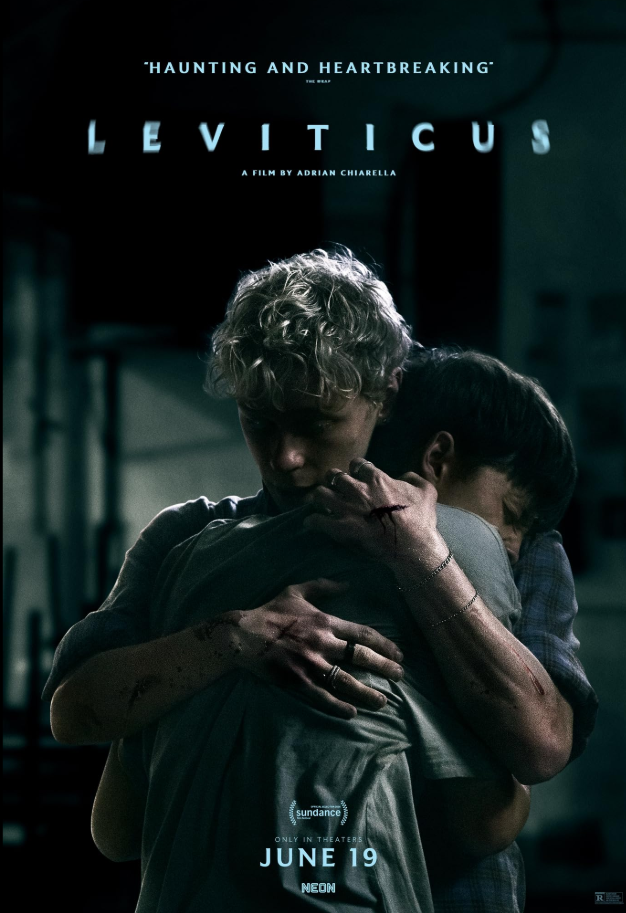
Australian writer-director Adrian Chiarella makes a strong feature-film debut with Leviticus, a psychological supernatural horror movie that first showed in the Midnight section at the Sundance Film Festival and was later picked up for worldwide release by Neon. Chiarella has talked about how he drew inspiration from real stories of anti-LGBTQ conversion practices and exorcism rituals, aiming to turn those experiences into something both scary and emotionally honest. Instead of making religion the villain, he looks at what happens when faith is used as a weapon against people who just want to be accepted for who they are.
Leviticus takes place in a remote Australian town ruled by religious fundamentalism. The story follows Naim (Joe Bird), a teenager who has just moved there with his mother, Arlene (Mia Wasikowska). Feeling lonely and unsure of where he fits in, Naim becomes close friends with Ryan (newcomer Stacy Clausen). Their friendship slowly turns into first love. When people find out about their relationship, the boys become targets of a religious community that believes their feelings can be "cured."
Soon, they are hunted by a supernatural force that takes the shape of the person each victim wants most, making love itself dangerous. The film blends psychological horror, supernatural thriller, coming-of-age drama, and a touching romance.
The idea behind the film feels fresh and original. Some people have compared it to It Follows, but the similarities are mostly on the surface. Chiarella uses the unstoppable supernatural force not just to create suspense, but as a symbol for shame, fear, and internalized hatred. The characters learn to fear their own desires, and the monster represents the harm caused by those who try to suppress them.



Joe Bird gives a moving performance as Naim. Known for Talk to Me, Bird brings real vulnerability to the role without making Naim seem helpless. Stacy Clausen is just as strong, and together they create a relationship that feels real and tender, raising the emotional stakes above the supernatural ones. Mia Wasikowska adds depth to Naim’s mother, showing a woman who truly loves her son but is caught in a belief system that puts him at risk. The supporting cast, including Jeremy Blewitt, Nicholas Hope, Ewen Leslie, Davida McKenzie, Zamira Newman, and others, help make the town feel like a place where fear and conformity are as dangerous as any supernatural threat.
Leviticus is visually impressive. Chiarella and his cinematographer turn rural Australia into a place filled with quiet tension, where open fields and empty roads feel as creepy as any haunted house. Instead of relying on cheap jump scares, the film builds atmosphere and slowly increases the tension, so viewers feel the characters’ growing paranoia. Special effects are used only when needed, keeping the focus on psychological fear.
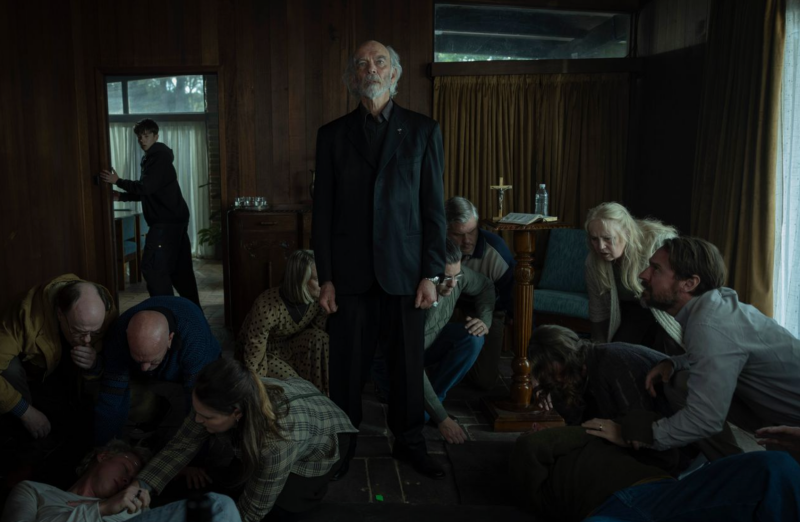
What stood out to me most was the film’s emotional depth. I appreciated how Leviticus combines intense psychological horror with the real emotional and symbolic scars of religious trauma, homophobia, and the pain caused by conversion therapy. The horror always feels earned; every scary moment comes from what the characters are truly experiencing. This makes the film stay with you long after it ends, because it understands that the deepest wounds are often hidden.
Critics have responded to the film with a lot of enthusiasm. It got great reviews at Sundance and continued to earn praise after its theatrical release. Reviewers have highlighted Chiarella’s confident direction, the strong emotional connection between Bird and Clausen, and the film’s courage in addressing tough topics without losing suspense. Many have called it one of the best horror films of the year and one of the most impressive feature debuts in recent years. Rotten Tomatoes also shows high scores from both critics and audiences.
Audiences have been just as excited, especially LGBTQ viewers who appreciate the film’s honest look at queer identity in a hostile environment. Many people have praised how the movie balances real scares with a touching love story. Others have said it gives a voice to experiences that are rarely shown so openly in mainstream horror. Even viewers who thought the symbolism was obvious still recognized the sincerity and passion in Chiarella’s storytelling.
Perhaps the greatest achievement of Leviticus is that it refuses to reduce its characters to symbols. At its core, before being a horror film, it’s a love story about two young people trying to find themselves in a place that wants to stop them. The supernatural horror only makes the real emotional dangers they face feel even more intense.
Leviticus demonstrates that horror can be more than blood, monsters, and shock value. It can become a powerful vehicle for exploring prejudice, faith, identity, and resilience. It is unsettling, heartbreaking, and unexpectedly moving. More importantly, it reminds us that sometimes the most frightening monsters are not supernatural at all—they are the fears and hatreds that society teaches us to carry. Leviticus confronts those horrors with intelligence, compassion, and remarkable cinematic confidence, making it one of the year's most memorable films.

Director Adrian Chiarella (right) confers with stars Stacy Clausen (left) and Joe Bird between takes on the set of Leviticus, bringing his haunting vision of psychological horror to life.
Coming tomorrow on The Hollywoodland Revue: I'll be reviewing Karmic Winds: Reflections from the "Smartest Guy in Hollywood" by Peter M. Hoffman, an engaging and thought-provoking memoir filled with Hollywood stories, personal reflections, and unexpected insights. Be sure to stop by and see whether this intriguing book belongs on your reading list.
If you've seen Leviticus—or if you're intrigued by its powerful blend of psychological horror and thought-provoking social themes—I invite you to read my review, then leave a comment, rate the article, and share it with fellow film lovers. Your support helps The Hollywoodland Revue continue exploring both classic and contemporary cinema.
Add comment
Comments