

After multiverses, alternate realities, collapsing dimensions, celebrity cameos and universe-threatening catastrophes, Spider-Man: Brand New Day does something that almost seems revolutionary for a modern Marvel movie: it remembers that Peter Parker is most interesting when his problems are personal. And I loved it. The film isn't perfect—it occasionally tries to carry more characters and storylines than it needs—but director Destin Daniel Cretton has given Tom Holland's Spider-Man exactly what he needed after the enormous spectacle of Spider-Man: No Way Home: room to grow up.
Reviewed by Allan R. Ellenberger

The story picks up years after No Way Home, with Peter living with the consequences of the sacrifice that erased him from the memories of everyone he loves. MJ has forgotten him. Ned has forgotten him. Aunt May is gone. Peter lives alone and has thrown himself into being Spider-Man, protecting New York because Spider-Man is about all he has left. It's a wonderfully melancholy starting point for a superhero movie. The enthusiastic teenager who once desperately wanted Tony Stark's approval has become an adult living with the consequences of his choices. He can swing through Manhattan and save strangers, but when the mask comes off, there isn't necessarily anyone waiting for him.
That isolation gives Brand New Day an emotional weight that distinguishes it from many recent Marvel productions. As a new threat emerges in New York, Peter finds himself confronting dangers that are increasingly personal rather than cosmic. Without giving away the film's better surprises, the story forces him to examine what being Spider-Man has cost him and whether sacrificing Peter Parker entirely is really the same thing as being a hero.
Cretton, who directed Marvel's Shang-Chi and the Legend of the Ten Rings, takes over from Jon Watts, director of Holland's first three solo Spider-Man films, and the change is noticeable. Brand New Day is darker and moodier without becoming oppressive. More importantly, New York feels important again. Streets, apartments, rooftops, and neighborhoods matter. Spider-Man isn't merely passing through computer-generated landscapes on his way to another portal in the sky. It feels good to see Spider-Man behaving like Spider-Man again.
The action is terrific, but Cretton rarely allows the spectacle to overwhelm the character at its center. The fights have weight and clarity, and Spider-Man's swinging and combat feel faster, rougher, and occasionally more dangerous. Yet Tom Holland is the real reason the film works. This may be his best performance yet as Peter Parker. Holland has always possessed the youthful charm necessary for the role, but now he brings something different to Peter: weariness. There is loneliness behind the wisecracks, and Holland lets us see a man who has convinced himself that sacrificing his own happiness is simply another requirement of being a hero. For the first time, I felt that Holland wasn't playing the kid Spider-Man anymore. He has become Spider-Man.


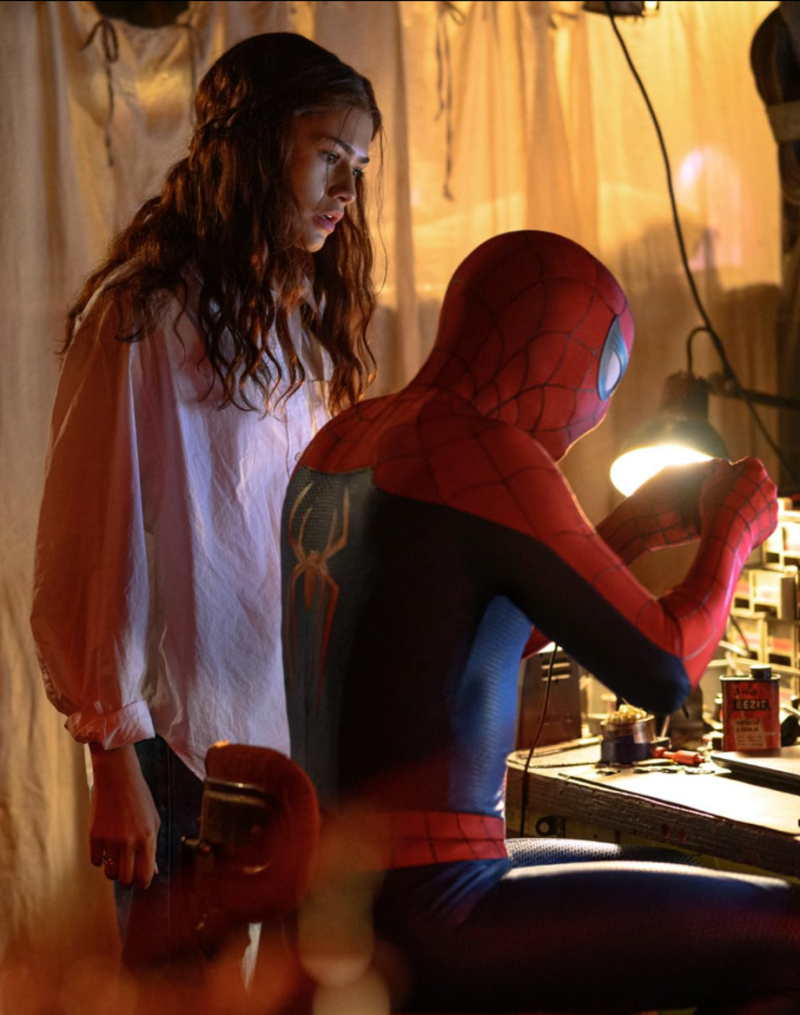
Zendaya returns as MJ, but the relationship has fundamentally changed because Peter remembers everything they shared while she does not. That imbalance gives even their ordinary encounters an emotional tension that no amount of CGI could manufacture. Jacob Batalon's Ned is another painful reminder of everything Peter surrendered. Jon Bernthal's Frank Castle, the Punisher, provides a much harder-edged counterweight to Peter, and their differing attitudes toward crime and punishment create some of the movie's liveliest exchanges. Mark Ruffalo returns as Bruce Banner, while Michael Mando finally gets another opportunity to explore Mac Gargan, the Scorpion, after the character's introduction in Spider-Man: Homecoming. Sadie Sink is another notable addition to the ensemble, bringing an intriguing energy to a character whose importance becomes increasingly apparent as the story unfolds.
Screenwriters Chris McKenna and Erik Sommers make the smart decision to recognize that bigger doesn't automatically mean better, although Brand New Day doesn't completely escape the Marvel habit of overcrowding. Peter's personal crisis, MJ and Ned, Punisher, Banner, Scorpion, Damage Control and the larger mystery sometimes compete for space, and a few plot elements feel designed as much to position characters for future Marvel projects as to serve this particular story. The middle portion also loses some momentum. A slightly leaner film might have been even better.
Critics have nevertheless responded enthusiastically, particularly to Holland's performance, the more mature tone, Cretton's action sequences and the retreat from multiverse overload. The film debuted with approximately a 90 percent critics' score on Rotten Tomatoes, while audiences were even more enthusiastic, pushing the audience rating into the upper 90s. The comparatively lower Metacritic response reflected some of the reservations about the film's length, crowded supporting plotlines, and lingering obligations to the larger Marvel Cinematic Universe. Even many of the more measured reviews, however, recognized the appeal of bringing Peter Parker back down to street level.

Moviegoers certainly responded. Brand New Day exploded at the worldwide box office, becoming another demonstration of just how powerful Spider-Man remains as a theatrical attraction. The extraordinary opening numbers were especially interesting because audiences turned out in enormous numbers for a movie that succeeds largely by making Spider-Man's world smaller. Marvel would be wise to pay attention to that lesson.
Spider-Man has always worked best because underneath the costume is an ordinary person whose life stubbornly refuses to become easy. He can save New York and still struggle with loneliness. He can possess extraordinary powers and still be unable to make the woman he loves remember him. He can defeat villains and still wonder whether being Spider-Man has cost him everything else. That contradiction has been at the heart of the character since Stan Lee and Steve Ditko created him more than sixty years ago, and Brand New Day understands it.
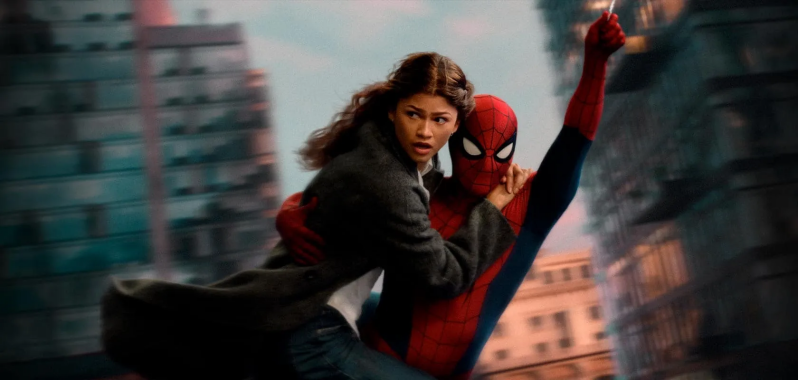
There is plenty of spectacle here, and anyone buying a ticket to watch Spider-Man swing across Manhattan and battle formidable enemies will get what they came for. But what stayed with me were the quieter moments when Holland allows Peter's loneliness to show through. After everything Peter Parker has lost, the title Brand New Day initially sounds almost cruel. How do you begin again when everyone who mattered to you has forgotten you existed?
That, ultimately, is what the movie is about: beginning again. After years of Marvel movies asking how many universes, they could squeeze onto the screen at once, Spider-Man: Brand New Day asks a much simpler and more interesting question: What happens to the man underneath the mask? I loved the film because it finally puts Peter Parker back where he belongs—at the heart of Spider-Man.
COMING TOMORROW — PART ONE: Before film preservation became a cause, John and Dorothy Hampton were already fighting to save Hollywood’s silent past. Check in tomorrow for Part One of my story about the remarkable couple who founded the legendary Silent Movie Theatre on Fairfax Avenue and devoted their lives to keeping silent cinema alive.
Have you seen Spider-Man: Brand New Day? I’d love to know what you thought. Please leave a comment, rate my review, and share the post with fellow movie fans. Your feedback and support help The Hollywoodland Revue reach more readers.
Add comment
Comments