

Hollywood has long been interested in politics, but sometimes the roles are reversed. Every so often, a performer leaves the stage to try something even harder than entertaining: leading a community. Sometimes, these efforts work out well. Other times, they show that being popular and being a good leader are not always the same.
By Allan R. Ellenberger
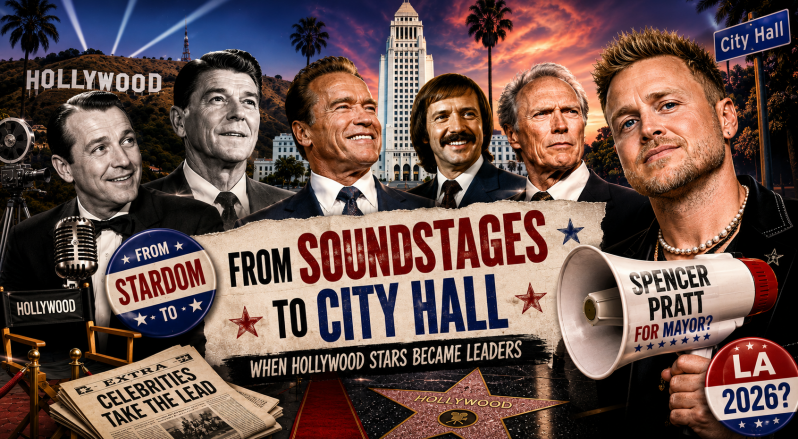
Celebrities running for public office is not a new idea. Even before social media influencers and reality TV stars got involved in politics, actors, singers, and entertainers were already seeing if their fame could help them win votes. One of the first and most successful examples was actor George Murphy. In Hollywood's Golden Age, Murphy was a well-known MGM musical star who performed with some of the biggest names. But he was more politically ambitious than most. As a dedicated Republican, he got involved in public affairs and was elected to the U.S. Senate from California in 1964. His win showed that being famous can help a lot in politics, especially when paired with real political involvement and strong support.
Ronald Reagan is still the most famous example. Before entering politics, he had acted in many films and led the Screen Actors Guild. Unlike some celebrities who only show interest in politics, Reagan spent years learning about government and public policy. He was elected Governor of California in 1966, and fourteen years later, he became the 40th President of the United States. No matter your opinion of his politics, Reagan set the standard for celebrity politicians because he made a real shift from entertainer to leader. He was more than just famous—he understood how government worked.
Another big California example came in 2003, when Arnold Schwarzenegger ran for governor during the recall election that replaced Gray Davis. Schwarzenegger was already one of the world's most famous movie stars. Critics called him just another celebrity candidate, but voters thought differently. He won by a large margin and served two terms as governor. Like Reagan, Schwarzenegger's success came from his fame, good timing, and a public image that went beyond normal politics.

Shirley Temple — She never won elective office, but after her acting career she served as U.S. Ambassador to Ghana and later Czechoslovakia.
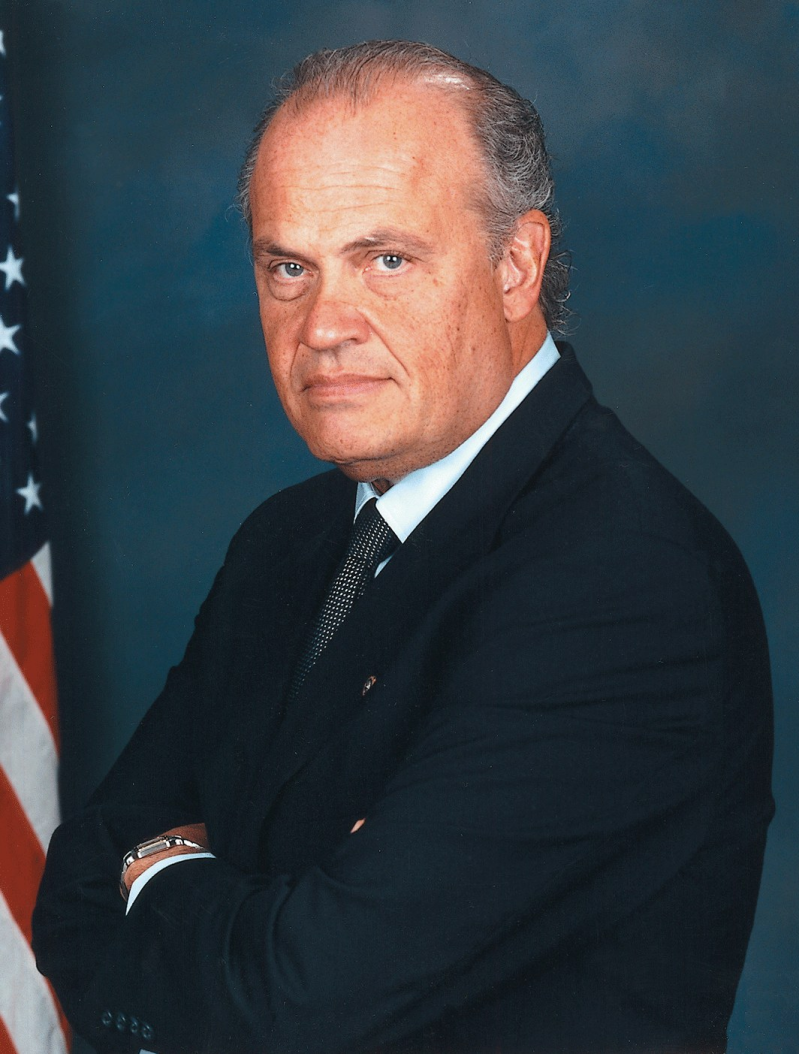
Fred Thompson — Character actor later known from Law & Order. Served as U.S. Senator from Tennessee before returning to acting.

Al Franken — Former Saturday Night Live writer and performer who served as U.S. Senator from Minnesota.
Other entertainers have also done well in government, though often at local or state levels. Sonny Bono, from Sonny and Cher, was mayor of Palm Springs before being elected to Congress. Clint Eastwood was mayor of Carmel-by-the-Sea. Jesse Ventura went from wrestling and acting to becoming governor of Minnesota. Fred Grandy, known as Gopher on The Love Boat, was elected to Congress. Jerry Springer was mayor of Cincinnati before his television career made him famous. These people had more than just fame in common. They took time to connect with voters and learn about how government works. Being famous helped them get noticed, but it did not ensure they would win.
This leads to Spencer Pratt. Twenty years ago, it would have been hard to imagine the star of MTV's The Hills being talked about as a possible candidate for mayor of Los Angeles. Pratt became famous through reality TV, which is more about personality than acting. For many people, he represents a new type of celebrity—someone whose fame comes directly from being on the show.
But politics is very different now compared to the days of George Murphy and Ronald Reagan. Social media has mixed the roles of celebrity, influencer, commentator, and politician. Today, millions of people get their news from podcasts, YouTube, Instagram, and TikTok instead of newspapers or television. In this world, a reality TV star running for office does not seem as strange as it once did.
Still, history shows that fame by itself is not enough. Reagan spent years learning about politics before he became governor. Schwarzenegger took months to build his policy teams and campaign. Sonny Bono had experience as a mayor before going to Congress. Even Jesse Ventura was a mayor before he became governor. The main lesson is that celebrity politicians who succeed show voters they are more than just famous.
Los Angeles faces big challenges. Issues like homelessness, affordable housing, public safety, transportation, infrastructure, and managing the budget need real expertise, not just fame. Anyone running for office—whether a longtime politician or a reality TV star—has to show voters they have the skills to do the job, not just name recognition.

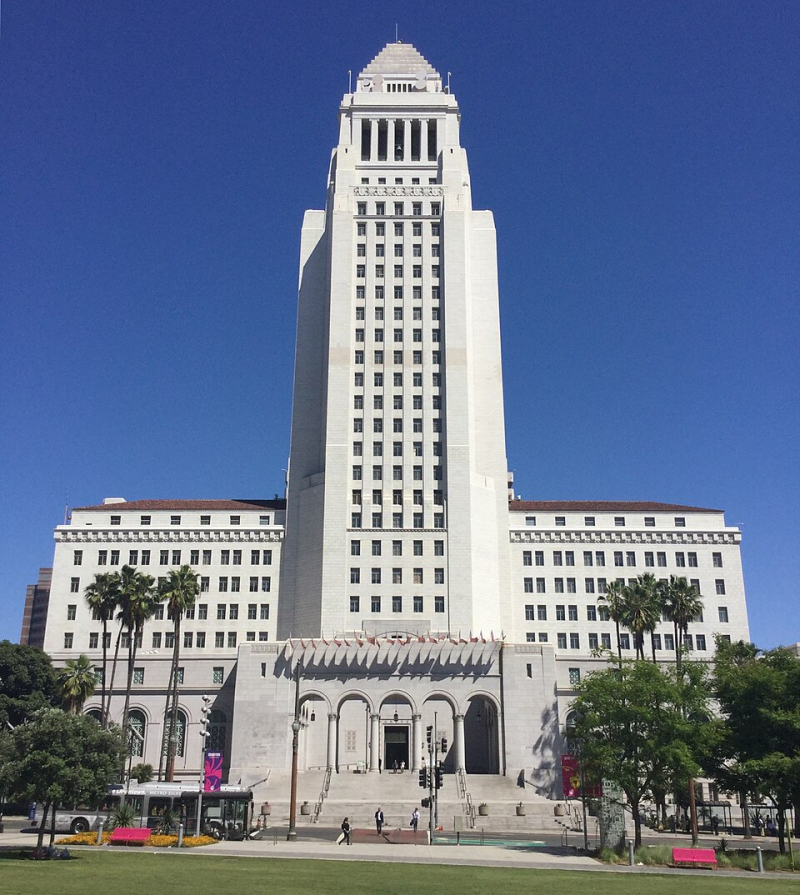
From reality television to City Hall? Spencer Pratt's political ambitions raise an intriguing question: Is celebrity still enough to win over Los Angeles voters?
This does not mean Spencer Pratt should be counted out. History actually suggests the opposite. Many people laughed at Reagan's political goals, and critics made fun of Schwarzenegger's campaign. Both ended up winning. The real question is not about Pratt's fame—he has plenty. The real issue is whether voters believe he can offer more than just celebrity.
Hollywood and politics have always had things in common. Both value charisma, rely on public opinion, and involve telling stories. But in the end, government requires something entertainment does not: real results. The history of celebrity politicians shows one thing clearly. Voters might be attracted to a famous name at first, but in the end, they choose the person they think can fix problems. Some celebrities have met that challenge. Others have not.
Whether Spencer Pratt becomes just a footnote or a surprising new chapter in this story is still unknown. If he runs for mayor of Los Angeles, he will join a tradition that goes back to Hollywood's Golden Age. It is a uniquely American tradition where the path from the movie set to city hall is still open, even if it seems unlikely.
Join us tomorrow at The Hollywoodland Revue for a look at a new book Steve Cochran: Bad Boy of Hollywood, one of Hollywood's most fascinating and enigmatic leading men whose life proved every bit as dramatic as the roles he played on screen.
If you enjoyed this look at the actors, entertainers, and celebrities who successfully made the leap from Hollywood to politics—and what that history might tell us about Spencer Pratt's possible mayoral ambitions—please take a moment to comment on, rate, and share the article with fellow readers.
Add comment
Comments