

For generations it has been one of America's most identifiable residences. A humble ranch nestled on a quiet street in Studio City; it's been known to millions of television viewers around the country as the home of TV's most notorious blended family. Now the house made iconic by The Brady Bunch has been officially deemed a Los Angeles landmark. In early March 2026, the Los Angeles City Council unanimously voted to recognize the home as a Historic-Cultural Monument, ensuring its preservation as an integral piece of pop-culture history.
By Allan R. Ellenberger
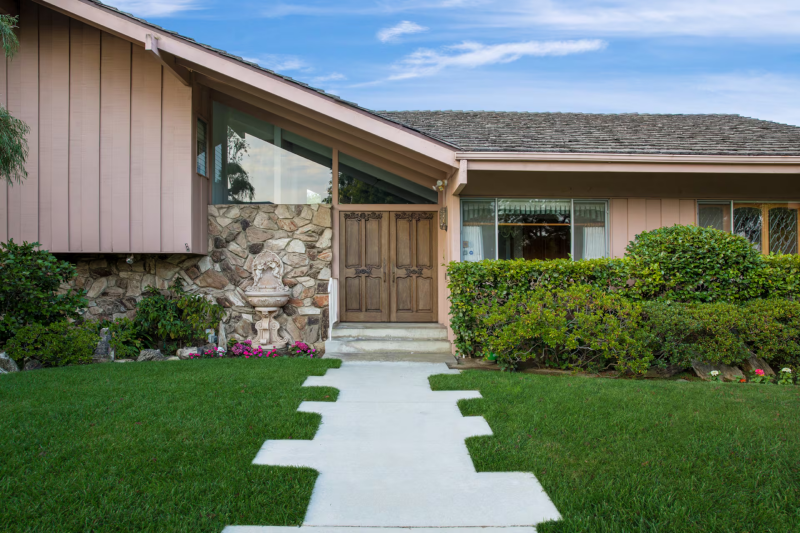
The decision effectively places the property alongside some of Los Angeles’ most treasured sites, ensuring that the home immortalized by television cameras more than half a century ago will remain part of the region’s cultural landscape. The designation followed earlier recommendations from the city’s Cultural Heritage Commission and the Planning and Land Use Management Committee, culminating in the council’s final vote to enshrine the property as an official monument.
Located at 11222 Dilling Street in Studio City, the house was built in 1959 in the Contemporary Ranch style by architect Harry M. Londelius Jr. The two-story residence—with its sloping roofline, stone façade, and mid-century modern character—would likely have remained just another suburban home had it not caught the attention of television producers in the late 1960s.
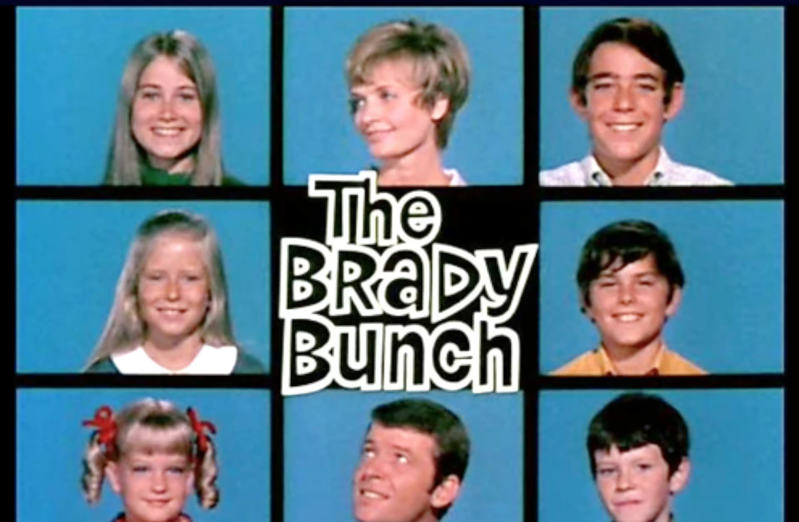
When producer Sherwood Schwartz developed The Brady Bunch in 1969, he required a stock establishing shot exterior for the house that Mike and Carol Brady lived in with their six children. The Studio City house was chosen for filming and became identified with the show's optimistic suburban lifestyle. Although indoor filming took place on a soundstage set that was completely different than the actual house, the Studio City location served as "The Brady House" for the entire series run from 1969 to 1974.
The sitcom itself—initially only a modest success—gained enormous popularity in syndication during the decades that followed. As the show became a permanent fixture of American television culture, the Dilling Street house evolved into a pilgrimage site for fans who traveled to the San Fernando Valley simply to stand outside and photograph the famous façade. In fact, the home has long been described as one of the most photographed private houses in the United States, surpassed only by the White House.
Subsequently, the house became even more deeply tied to television history. It later featured in sequels The Brady Bunch in the White House and A Very Brady Sequel, and in 2018, cable network HGTV bought the house for $3.5 million. The network subsequently performed a lavish remodel to restore many of the sets seen inside of the house on the show, as seen in the HGTV series A Very Brady Renovation. Sets ranging from the iconic floating staircase to Mike Brady's office were meticulously recreated.

Members of “The Brady Bunch” cast, from left to right, Maureen McCormick, Christopher Knight, Susan Olsen, Mike Lookinland, Eve Plumb and Barry Williams pose in front of the Brady home in Studio City. (Photo Credit: HGTV via Associated Press)
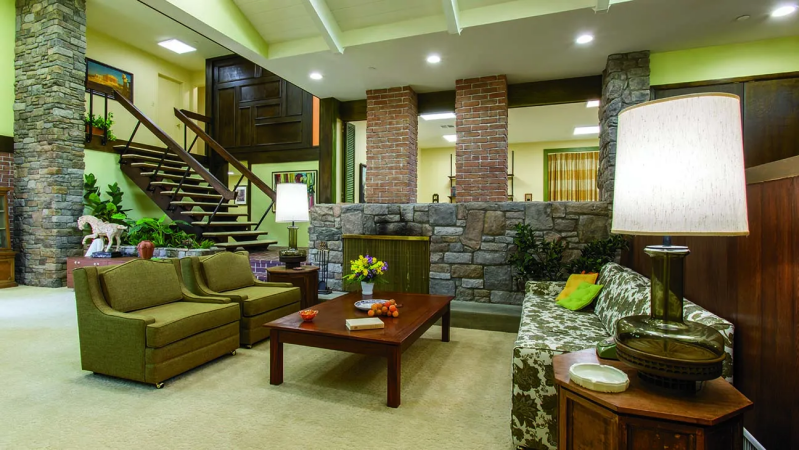
After its renovation, the house was eventually sold to Tina Trahan, philanthropist and historic-property aficionado. Instead of living in the home as a private residence, Trahan capitalized on its unique place in pop culture. In recent years the house has been opened occasionally for fundraisers and specialty tours, giving enthusiasts the chance to tour a home they had only known from television for many years.
Advocates for landmark status included preservationists, fans, and family. Actors Barry Williams (Greg Brady) and Christopher Knight (Peter Brady), along with producer Lloyd Schwartz made their case in testimony at hearings in front of the Cultural Heritage Commission. Others had come to understand that the humble house meant much more than a mere television set. It symbolized an iconic period of American culture where the family-friendly suburban blended family brought laughter into people's homes each week with a half-hour of sitcom.

The vote by the City Council means the Brady Bunch house has legal protections that help preserve its historic legacy. While landmark status doesn't make demolition impossible, it would prompt a lengthy hearing process and buy time for preservationists to find other solutions if a property owner someday decides to substantially alter or tear the property down. Essentially, the decision means that the house will stand long enough for its historic significance to future television generations to catch on.
This is a city where movie studios, soundstages and historic film locations have often been paved over by redevelopment. Keeping the Brady Bunch house from sharing that fate has symbolic importance. Hollywood's legacy does not reside solely on studio backlots or in grand movie palaces. Sometimes it resides in suburban neighborhoods in the memory of millions who grew up passing that ranch house on their way somewhere else.
More than fifty years after audiences first saw the exterior of the Brady family’s home during the show’s opening credits, the house itself has now joined the official record of Los Angeles history. And in a city built on storytelling, it seems fitting that one of television’s most familiar addresses has finally been recognized for what it truly is: not just a house, but a piece of the mythology of American entertainment.
What do you think about the Brady Bunch house becoming an official Los Angeles landmark? Please leave a comment, rate the post, and share it with friends who love classic television and Hollywood history. 📺
Add comment
Comments