

June is Gay Pride Month, so social media fills up with rainbow banners, old studio photos, and claims that almost every glamorous star from Hollywood’s golden age was “secretly queer.” Some of these stories are true, some are wishful thinking, and some miss the real reasons why certain classic stars became gay icons.
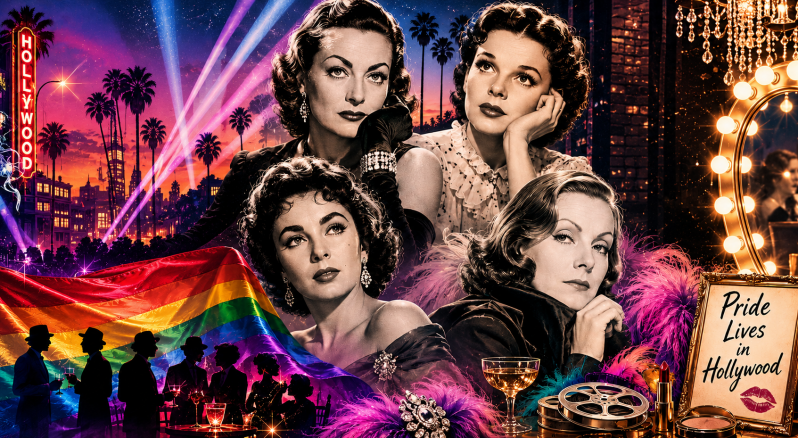
The truth is, many of Hollywood’s biggest gay icons were not gay themselves. Some were not even especially progressive. A few might have been confused or even shocked to learn about their later status in queer culture.
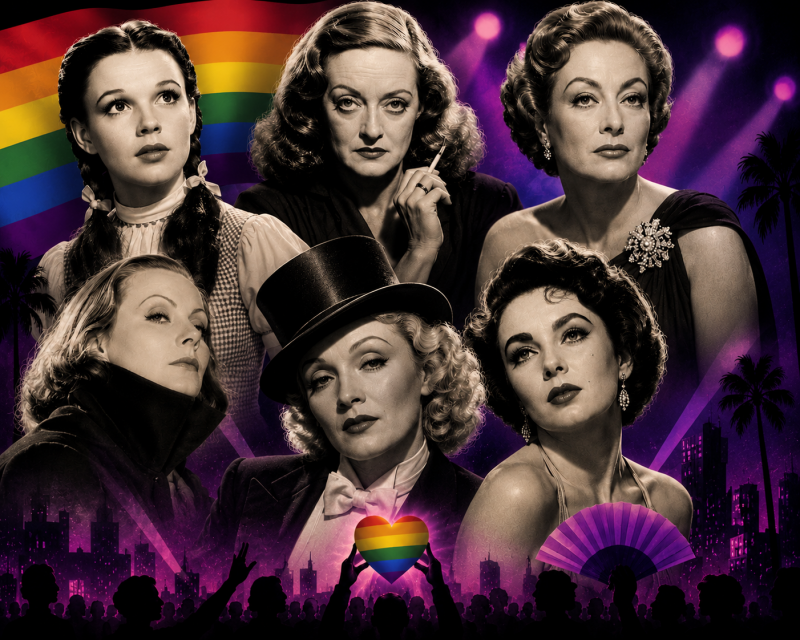
Still, stars like Judy Garland, Joan Crawford, Bette Davis, Marlene Dietrich, Greta Garbo, Mae West, and Elizabeth Taylor became important parts of gay culture. This happened not because of branding or planned support, but because queer audiences saw parts of themselves in these stars long before the wider public did. The bond was emotional before it was political.
Classic Hollywood was shaped in large part by queer men: costume designers, decorators, writers, choreographers, hairdressers, composers, dialogue coaches, photographers, art directors, and directors. Many of them lived closeted lives while creating fantasies of romance and glamour for the public. Gay men helped shape Hollywood’s style even as they were left out of its official stories. It is no surprise that queer audiences formed a special bond with the women at the heart of Hollywood. These women were rarely considered “normal,” and that made a big difference.
From the 1930s to the 1960s, gay audiences often connected with performers who seemed trapped by their own performances. These were women who had to create larger-than-life public images to survive tough industries, high expectations, failed marriages, addiction, loneliness, and constant public judgment. Queer people recognized this struggle. They understood what it meant to hide parts of themselves long before there was a name for it.
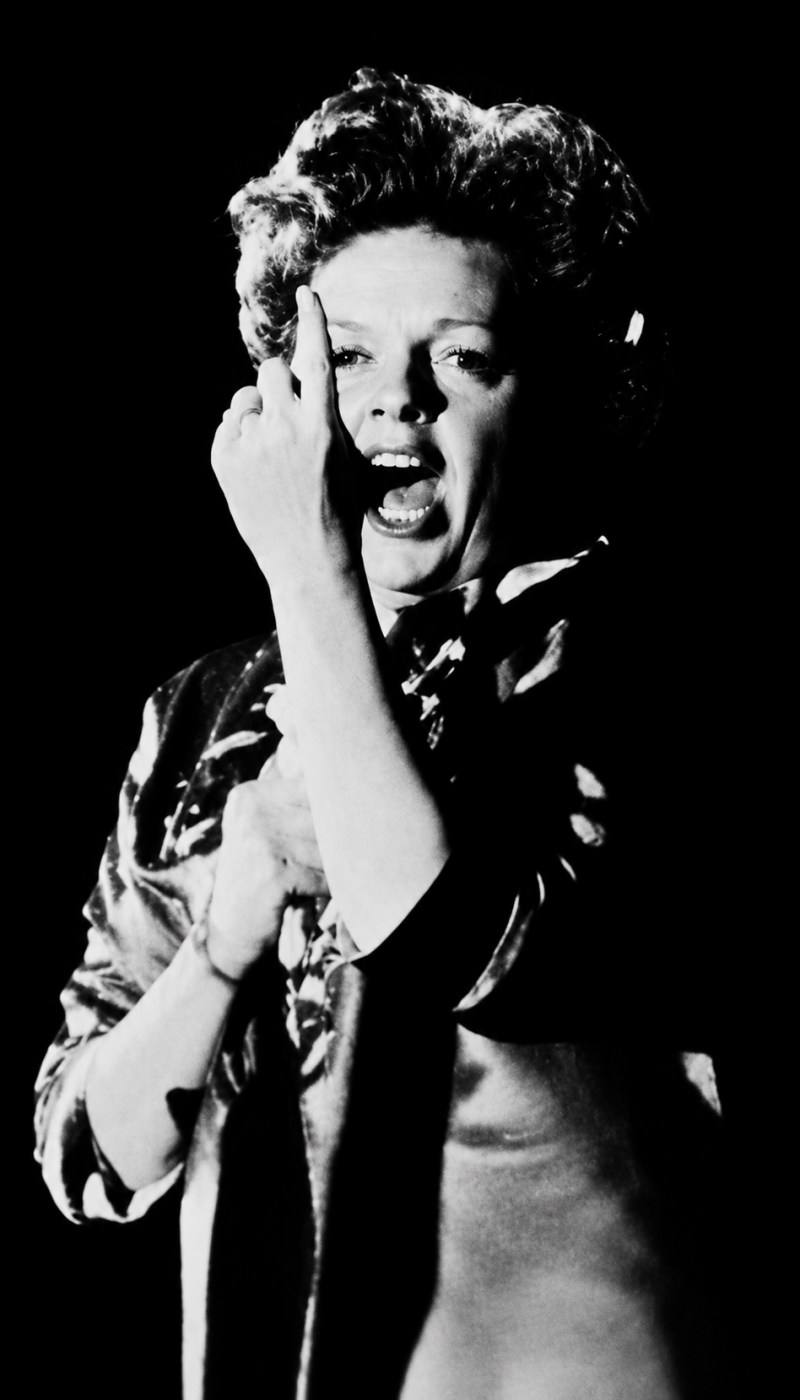
No one showed this more than Judy Garland. Today, some people say Garland became a gay icon because of camp or drag performances, but that only tells part of the story. Garland connected with people because she showed her emotions openly. She looked wounded, vulnerable, tired, and real. Her voice revealed desperation and survival in a way that perfect performances could not. Gay men who had spent years hiding saw something familiar in Garland’s mix of strength and fragility. By the 1950s, she was more than a movie star; she was almost a symbol of survival.
To be honest, the gay community supported Judy Garland long before the wider culture did. When Hollywood started to see her as damaged, unreliable, overweight, or past her prime, queer audiences still showed up. They filled her concerts, learned her songs by heart, and loved her because she was imperfect.

Many people think gay men loved Crawford only in an ironic way, but that is only partly true. Camp is not just about making fun of something. It is admiration taken to the extreme. Crawford’s intensity, extravagance, and self-invention became art forms themselves. Watching her in Mildred Pierce or Johnny Guitar now feels almost legendary because she never acted like an ordinary person. She acted like Joan Crawford, and that is why she lasted.
Bette Davis became loved in part because she used her intelligence as a weapon. Davis was not known for being gentle. She smoked with confidence, insulted interviewers, challenged studio bosses, made fun of bad scripts, and stared at people with her intense eyes as if she could see right through them. Gay audiences often admire women who refuse to follow social rules, especially during times when queer people were punished for breaking gender norms. Davis rarely acted “properly,” and her rebelliousness spoke to many people over the years.
Greta Garbo stood for something else: isolation. Her appeal in queer culture came partly from her emotional distance and her choice not to explain herself. She left Hollywood, stayed out of the spotlight, turned down marriage stories, and created so much mystery that people saw many meanings in her silence. “I want to be alone” became more than just a famous line; it became a feeling. Many queer people noticed Garbo's loneliness long before the public talked about celebrity isolation.
Elizabeth Taylor became a gay icon not because of her performances, but because of her loyalty. She earned deep respect from the LGBTQ community by supporting people during the AIDS crisis, a time when many public figures stayed silent out of fear. By the 1980s, Taylor was not just admired; she was trusted. That difference is important. Gay audiences have always noticed which celebrities truly support them and which ones only seek attention.
A similar story happened with Joan Crawford, but in a different way. Crawford became a gay icon partly because she seemed to be made of pure determination. She changed herself from Lucille LeSueur, a poor dancer from Texas, into a striking symbol of glamour and discipline. Everything about her was carefully controlled: her eyebrows, shoulder pads, lighting, voice, and even her sharp cheekbones. Gay audiences saw her ambition, since many queer people have also had to reinvent themselves in careful ways. Also, camp has often been misunderstood by straight audiences.

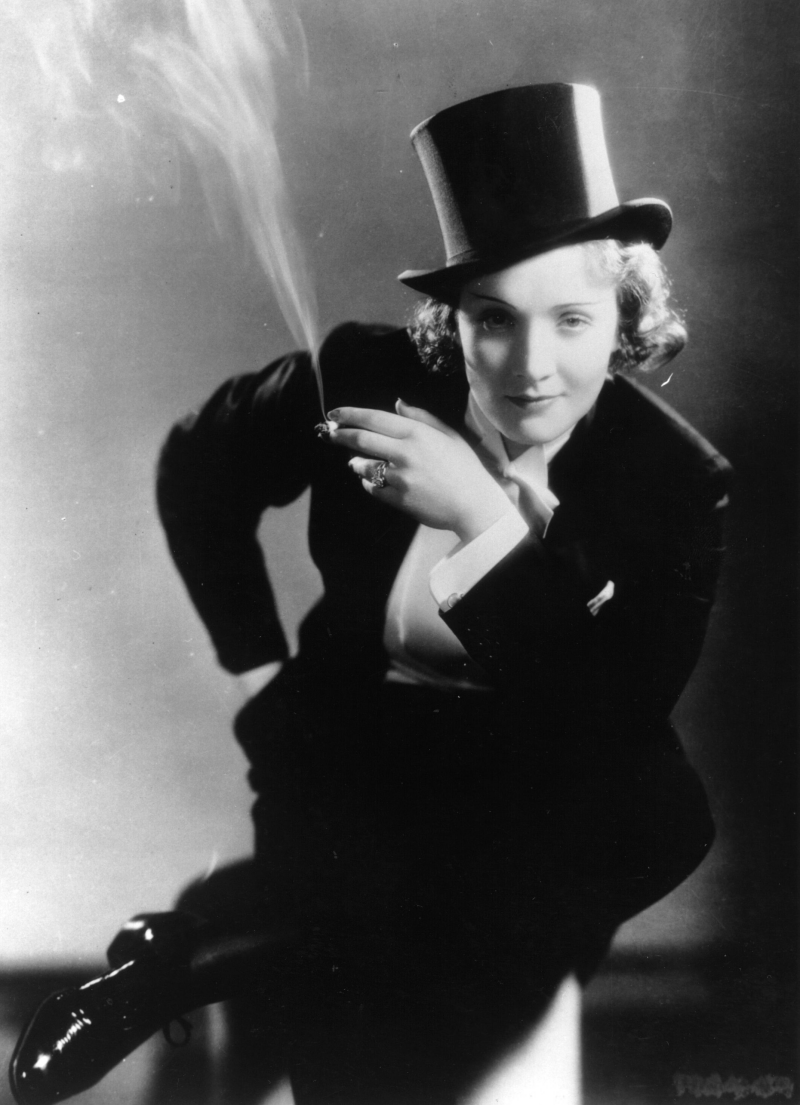
Marlene Dietrich seemed to come right out of queer mythology. She wore tuxedos before it was widely accepted, openly embraced androgyny, and flirted with women in public. She naturally understood sexual ambiguity. Unlike many stars who became queer icons by chance, Dietrich helped shape her own image. Seeing her perform in a top hat and tails in Morocco still feels bold today because her confidence is still modern.

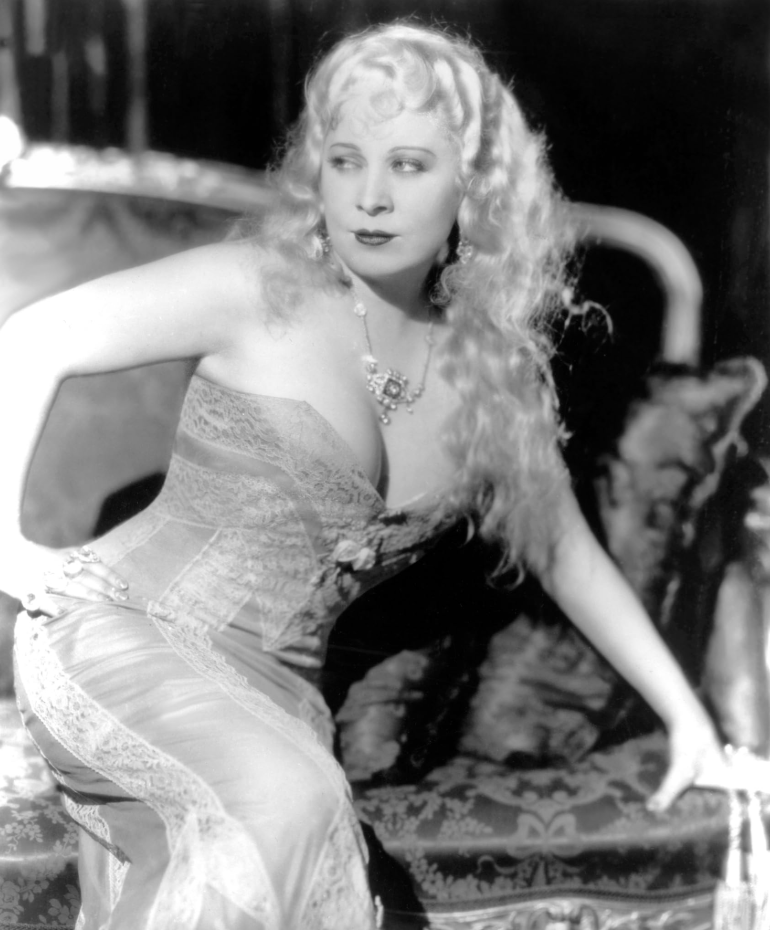
Not every gay icon came from a place of suffering or tragedy. Mae West became loved because she openly made fun of sexual hypocrisy long before most people dared to do so. West treated desire as something to laugh about, not something to be ashamed of. Her clever jokes, confidence, and refusal to apologize for her sexuality made her very appealing to people who lived outside traditional norms.

Classic Hollywood gay icons are fascinating because they often showed contradictions that queer audiences knew well. They were glamorous but also hurt, worshipped but alone, desired but lonely, and loved in public while misunderstood in private. Their lives often included reinvention, secrecy, hidden identities, dramatic self-creation, and emotional survival under constant attention.
In short, these stars understood performance before queer audiences embraced them. Maybe that is why the connection still lasts. Today’s celebrities often seem too managed and eager to show off their good qualities. Old Hollywood stars, on the other hand, showed their struggles openly. Their glamour seemed hard-won, and their loneliness was visible on screen. Even their act felt real because it hid something fragile underneath. That vulnerability inspired loyalty.
Queer audiences did not love classic stars just because they were glamorous. They connected with them because they saw the struggle beneath the surface, and because many of these women, whether they meant to or not, made outsiders feel noticed and understood.
Even now, decades after they have passed, these women still speak to new generations. Somewhere tonight, a drag queen is lip-syncing to Judy Garland. Somewhere, a film student is discovering Garbo for the first time. Somewhere, Joan Crawford’s face appears on a late-night TV screen, looking both severe and lonely. Studios made these stars, but queer audiences turned many of them into legends.
Join us tomorrow at The Hollywoodland Revue for a new Hollywood Forever profile celebrating the life, artistry, and enduring legacy of legendary MGM costume designer Adrian, the man who helped define the look of Hollywood glamour.
If you enjoyed my latest Hollywoodland Revue commentary on how classic film stars became enduring gay icons, please take a moment to comment on, rate, and share the article with fellow lovers of classic Hollywood and LGBTQ history.
Add comment
Comments