

Today, on June 1, 2026, people around the world will remember the 100th anniversary of Marilyn Monroe's birth. Even a hundred years after Norma Jeane Baker was born in a charity ward at Los Angeles County Hospital, her face is still one of the most famous in history. Anniversaries like this encourage us to look past the myths and see the real person. Before she became Marilyn Monroe, the movie star and cultural icon, she was a vulnerable girl facing a childhood filled with instability, foster homes, absent parents, and time at the Los Angeles Orphans Home Society. To truly understand the woman who fascinated the world, we need to look back at the child she once was.
By Allan R. Ellenberger
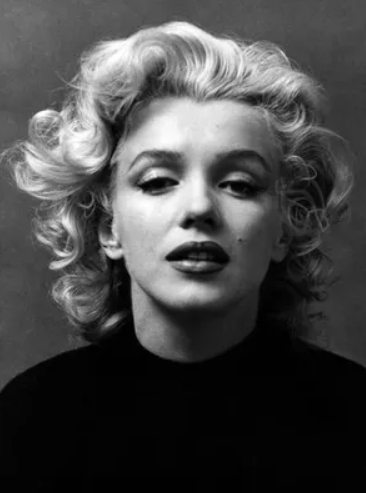
She was born on June 1, 1926, in the charity ward of Los Angeles County Hospital. Her birth certificate listed her as Norma Jeane Mortenson, but the question of who her father was had remained a mystery. Recent biographers think her father was Charles Stanley Gifford, who worked with her mother, Gladys Baker, at RKO (some say Consolidated Film Industries), but he never claimed her as his child. From the start, Norma Jeane's life was filled with uncertainty.
Her mother was smart and ambitious, working as a film cutter in Hollywood, but she faced money problems and growing mental health issues. Just two weeks after Norma Jeane was born, Gladys placed her with foster parents, Ida and Wayne Bolender, in Hawthorne, California. The Bolenders were devoted Christians who gave Norma Jeane the stability, routine, and affection she needed. For the first seven years of her life, their simple home was the closest she came to having a permanent family.
Gladys visited from time to time, but her visits were unpredictable and often left Norma Jeane confused. Years later, Monroe said her mother felt more like "the woman with the red hair" than a parent. This distance had a lasting effect on her emotions. The need for love and approval that people later saw in Marilyn Monroe likely started in these early years, when her mother came and went like a stranger.
In 1933, Gladys tried to bring her daughter back. Norma Jeane moved to Hollywood and lived with her mother for a short time, moving between different apartments and rented houses. For a little while, it seemed like life might finally become stable. But then everything changed. Gladys had a serious mental breakdown and was sent to an institution. At only eight years old, Norma Jeane was left on her own.

Los Angeles County General Hospital, where Norma Jeane Mortenson was born on June 1, 1926, in the charity ward before growing up to become Marilyn Monroe.

The birth certificate of Marilyn Monroe, issued under the name Norma Jeane Mortenson, documenting her birth on June 1, 1926, at Los Angeles County Hospital.
Over the next few years, Norma Jeane moved from one foster home, relative, or family friend to another. Some people treated her well, but others did not. Biographers have written about abuse and exploitation she suffered during this time. Norma Jeane learned early that safety could vanish quickly and that adults often broke their promises. These experiences left marks she carried for the rest of her life.
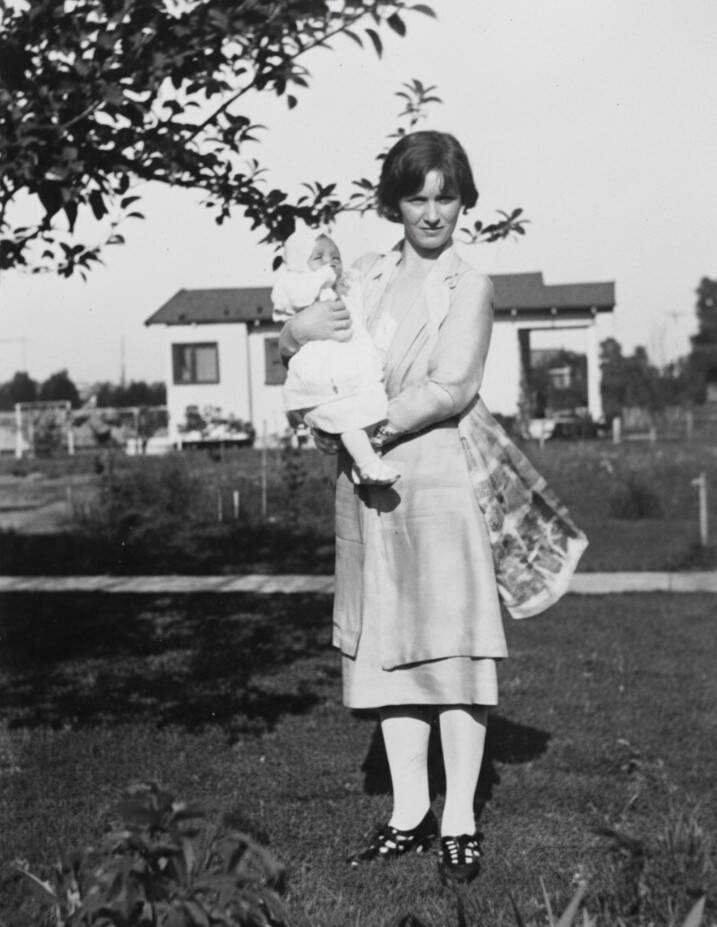
Infant Norma Jeane in the arms of her mother, Gladys Mortensson, in one of the few surviving photographs from the future Marilyn Monroe's earliest years.
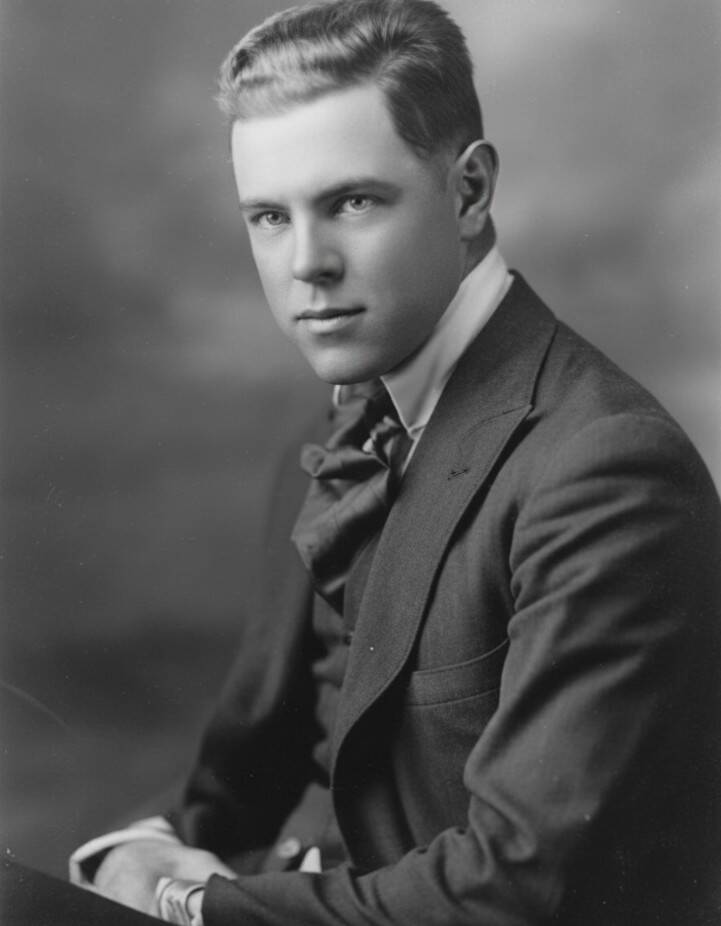
Charles Stanley Gifford, widely believed to be the biological father of Norma Jeane. Although he never publicly acknowledged her during his lifetime, DNA testing conducted decades later helped confirm a long-suspected connection to the woman who became Marilyn Monroe.
On September 13, 1935, a family friend named Grace McKee Goddard took nine-year-old Norma Jeane to the Los Angeles Orphans Home Society in Hollywood, where she became Ward No. 3463. The home was at 815 North El Centro Avenue and would later be called Hollygrove. Founded in 1880, it was one of the oldest charities in the city and had helped thousands of abandoned and neglected children.
The orphanage was not the grim place many people picture when they hear the word. Records from the time show that Norma Jeane was healthy, well-behaved, and usually got along with others. One report called her "a normal, healthy girl" who seemed happy and liked her classes. Still, living in an institution was not the same as having a family. Dorms, routines, and rules brought order, but they could not give her a true sense of belonging.
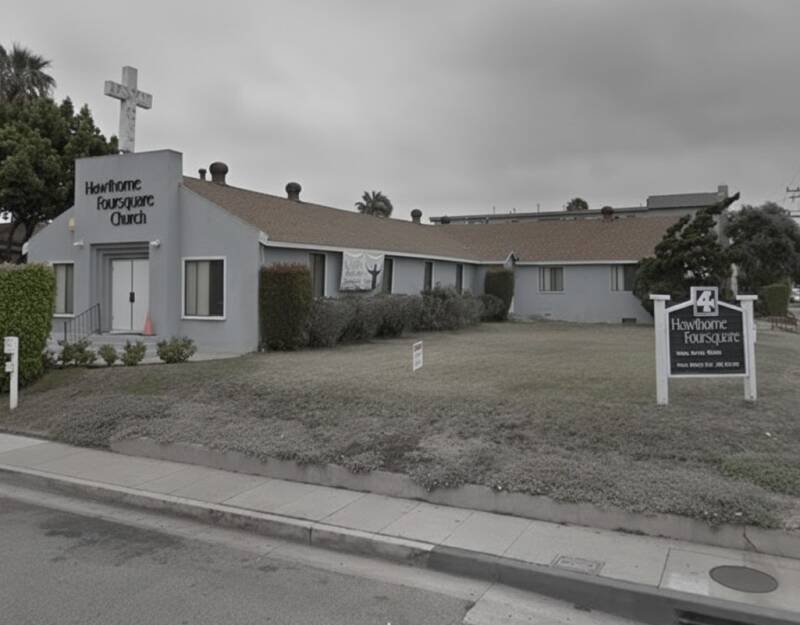
Norma Jeane was baptized at the Hawthorne Foursquare Church, 4503 West Broadway, in November 1926 when she was just six months old, marking one of the earliest documented milestones in the life of the child who would one day become Marilyn Monroe.
Norma Jeane spent almost two years moving back and forth between Hollygrove and different foster homes. This constant moving made it hard for her to keep up in school. She went to several schools in Los Angeles during this time, including Vine Street Elementary School, which was nearby. Not surprisingly, her schoolwork was inconsistent.
What stood out most in her memory was not school, but the movies. Hollywood was just a few blocks away, and watching films helped her escape from her uncertain life. Jean Harlow became one of her first idols. Grace Goddard encouraged her interest in movie stars and once told her that with the right hair and makeup, she could look like Harlow. That casual comment would later seem almost like a prediction.
She lived in a girls' dormitory where her bedroom window faced the tall water tank of the nearby RKO Studios, which later became Paramount Pictures. She knew her mother had once worked there as a film cutter, and seeing the studio often brought up strong feelings, sometimes even making her cry. Years later, biographers said those moments at the window were a turning point in her life. Looking out at the studio that had once employed her mother, the lonely girl began to dream of a future in which she could leave her uncertain life behind and become a movie star.
Former residents later recalled Hollygrove as a place where children created their own families out of circumstance. Norma Jeane made friends there, though few names survive in the historical record.

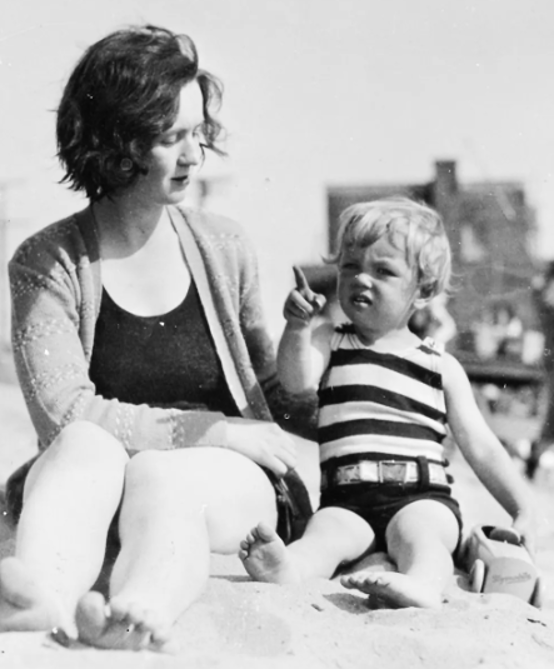
Norma Jeane as an infant, 1927.
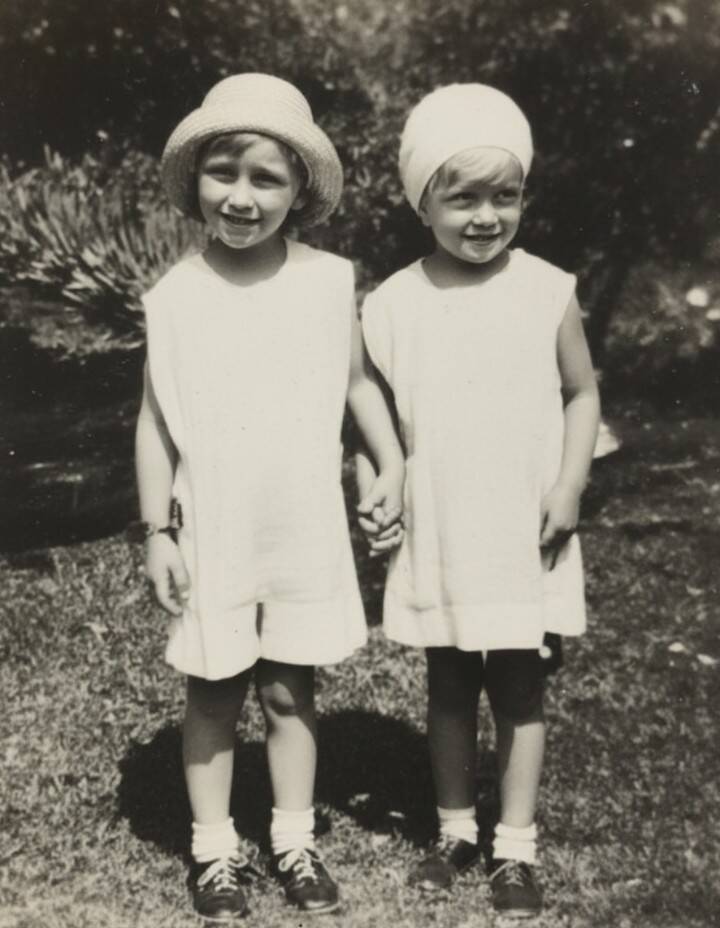
Norma Jeane, right, with a friend.
Like many children who experience instability, she learned how to adapt quickly, make connections, and move on when necessary. It is a skill that helped her survive childhood but perhaps made adulthood more difficult.
On June 12, 1937, the orphanage staff decided she would do better in a more stable family setting. She left and went back to live with Grace McKee Goddard. This ended her time at the orphanage, but not her unstable life. In the years that followed, she kept moving between relatives and guardians as money problems and family situations changed.

Marilyn Monroe always remembered Hollygrove, the orphanage that gave her shelter during a difficult part of her childhood. After she became famous, she visited the home three times in the 1950s. On her first visit, she signed the guest book as "Norma Jean Baker," showing that beneath the fame, she was still the girl who had once lived there. On later visits, she signed as "Marilyn Monroe."
She rarely talked about her time at the orphanage and never made it a big part of her public image, but she stayed emotionally connected to Hollygrove and quietly supported charities for children. Unlike many stars who tried to hide their difficult pasts, Monroe never fully turned away from hers. The years she spent at the orphanage were always part of her story, and in many ways, the hopeful child who looked out toward Hollywood stayed with her.
The orphanage stayed open long after Marilyn left. It was renamed Hollygrove and kept caring for children throughout the twentieth century. In the early 2000s, new ideas about child welfare led to the end of traditional residential care. In 2005, Hollygrove closed its orphanage after 125 years, but other social service programs continued. By that time, Marilyn Monroe was its most famous former resident.
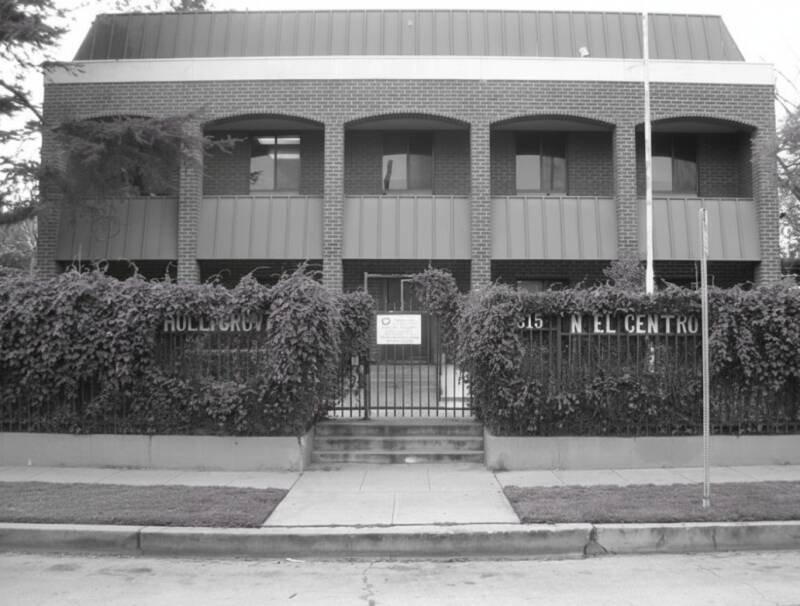
Hollygrove orphanage in recent years.
Most people think of Marilyn Monroe as glamorous, sensual, and famous. But as a child, she was very different—a lonely girl moving from place to place, trying to understand why the adults she cared about kept leaving. The real tragedy of Norma Jeane Baker's childhood was not just poverty or instability. It was the feeling that nothing lasted. Every time she thought she had found a home, it disappeared.
As people in Hollywood and around the world celebrate Marilyn Monroe's 100th birthday, it's easy to focus on her glamorous photos, classic movies, and lasting fame. But maybe the most important part of her story is the beginning. Long before she was famous, Norma Jeane Baker was a child moving between foster homes, sleeping in dorms, going to local schools, and wondering where she fit in. The little girl who once lived at the Los Angeles Orphans Home Society could never have guessed her face would one day be known everywhere. Even a hundred years later, Marilyn Monroe's story is powerful not just because she became a star, but because she overcame a childhood that could have broken someone less strong. The sadness, the success, and the mystery of Marilyn Monroe all start with Norma Jeane.
Join us tomorrow at The Hollywoodland Revue as we kick off Gay Pride Month with a look at the classic stars who became enduring gay icons, whether they intended to or not.
As we celebrate the 100th anniversary of Marilyn Monroe's birth, please take a moment to comment on, rate, and share my latest feature exploring the remarkable childhood journey of Norma Jeane Baker before she became Hollywood's most enduring icon.
Add comment
Comments
Sensitively written Allan ---------
Thanks Rick.