

Some actors always seem just out of reach, not quite forgotten but caught between major fame and cult status. Steve Cochran spent years in that middle ground. If you bring up his name to casual movie fans, they might not know it, but classic film lovers instantly picture his dark eyes, sly grin, broad shoulders, and the dangerous energy that made him one of Hollywood’s most convincing villains in the late 1940s and 1950s. He looked like trouble, and by most accounts, he often was.
Reviewed by Allan R. Ellenberger

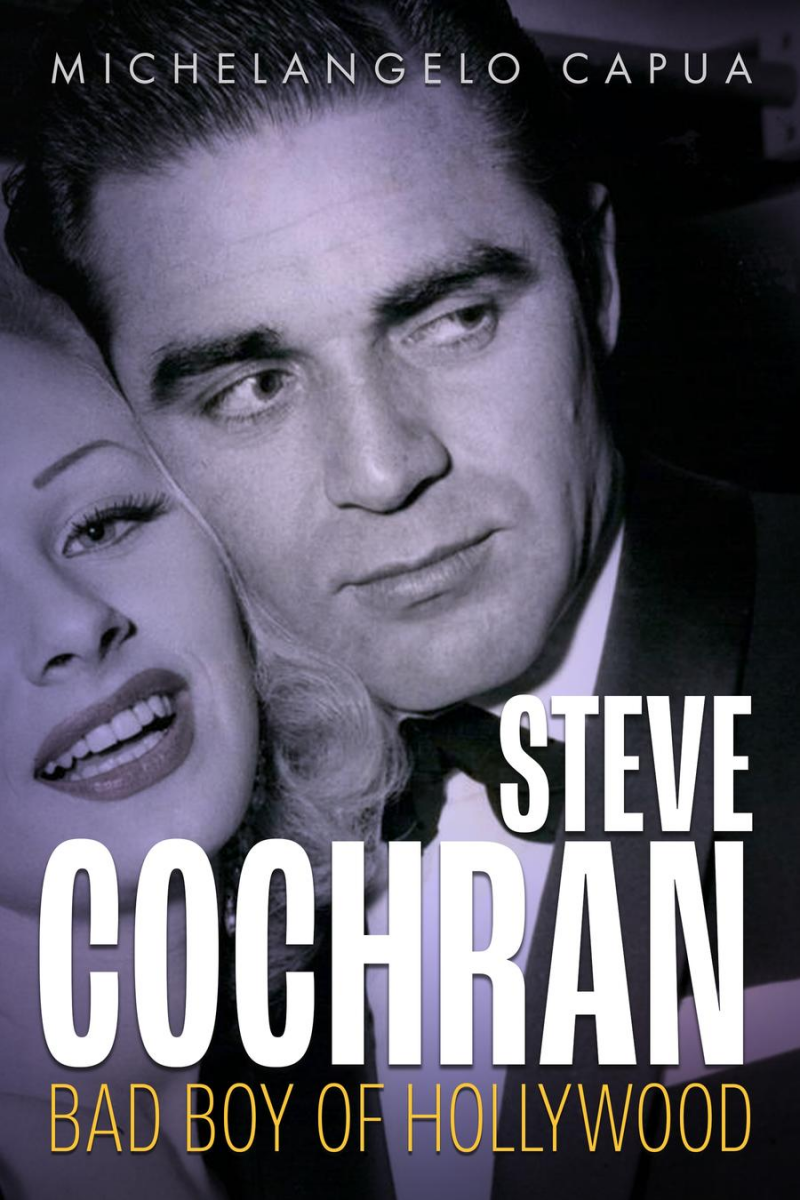
That inherent conflict provides the energy propelling Michelangelo Capua’ newest book Steve Cochran: Bad Boy of Hollywood which is being published this month through the University Press of Mississippi's Hollywood Legends series. The 297-page volume contains a wealth of information including stories about the productions Cochran was involved with as well as anecdotes about Cochran himself along with scandals and career recaps. It doesn't read like a stuffy academic text. It feels more like a eulogy giving Cochran the resurrection he deserves.
Capua has already established himself as a trustworthy chronicler of classic Hollywood with his prior studio-era biographies of William Holden, Jean Peters, Deborah Kerr and Yul Brynner. His forte is objectivity. He loves classic Hollywood but won't sentimentalize it for no good reason. That makes him ideal for writing about Steve Cochran, who was not always lovable.
Cochran came up through Warner Bros. after World War II, when studios focused on tough, masculine male stars. He fit that type almost perfectly. He had the looks of a movie star but acted with the unpredictable edge of someone who might really get into a fight. Warner executives soon saw he could play gangsters, womanizers, racists, crooked cops, and charming but shady characters with real believability. Movies like White Heat, The Damned Don't Cry!, and Dallas made him Hollywood’s classic “virile villain.”
Capua doesn't attempt to paint Cochran as some lost Brando-esque genius. Rather, he makes the much more convincing argument that Cochran was allowed to play much less dynamic and intelligent roles than he was actually capable of. Capua points to Michelangelo Antonioni's Il Grido (1957) as perhaps the singular role that demonstrated the dimensions of Cochran that Hollywood chose to ignore for the most part. Reading that section will definitely make you want to revisit that film.
The interesting thing about the biography is how closely Cochran’ life paralleled his film roles. He appeared to actually live the wild and free life that Hollywood publicity machines of the past attempted to conceal. Cochran dated many women, raced planes and sports cars, kept pet lions and zebras at his Hollywood Hills house, frequently broke the law, and crafted a persona of masculine liberation that often bordered on self-destructiveness. Capua doesn’t shy away from any of these facts.
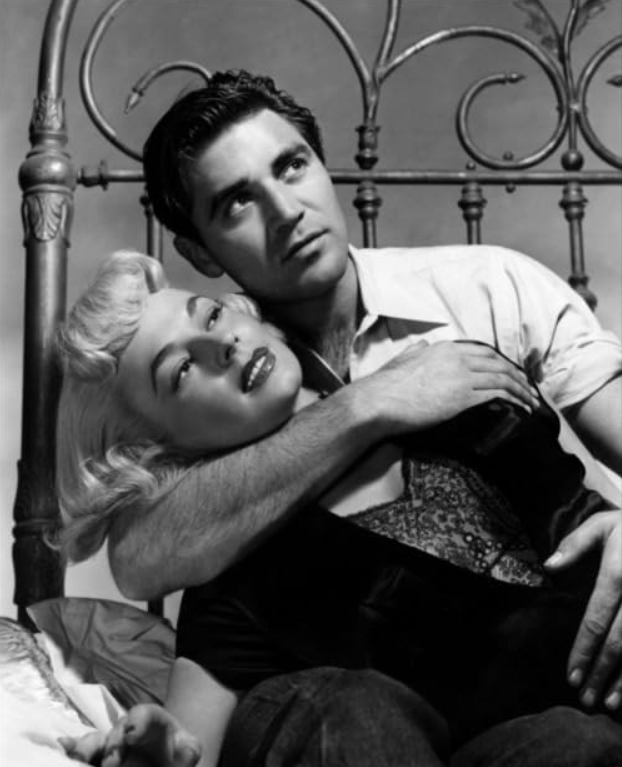

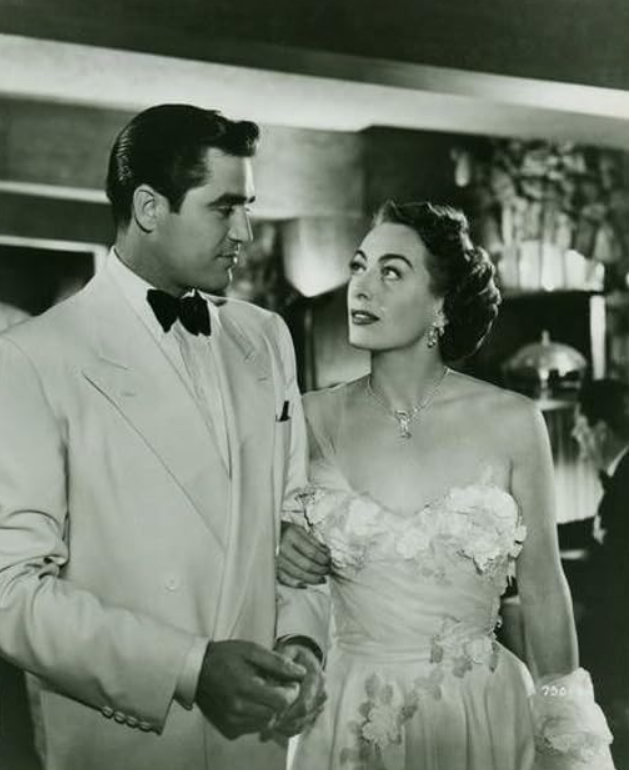
The book often points out that Cochran’s biggest problem was his inability to settle down, either in his personal life or his career. As you read, you get the sense of a man who was always dissatisfied—with Hollywood, with relationships, with authority, with getting older, and maybe even with himself. He was talented enough to want more respect than he got, but he didn’t have the discipline or strategy to really change his career. In that way, he seems oddly modern. Cochran comes across less like a polished leading man from the studio era and more like the early version of the troubled antiheroes who would take over movies in the 1970s.
Capua also focuses hard on actual Hollywood moments which makes this biography much stronger. Some of the best scenes aren't his overview of Cochran's career moves, but small details: Cochran yelling at executives or moguls, flirting with costars, trying to avoid negative press, or stumbling through late-night Hollywood functions drunk, alternately arrogant and lonesome. Capua understands that atmosphere is key with older Hollywood biographies and he really nails postwar Los Angeles.
Naturally, the centerpiece of the story is Cochran’s strange death in 1965. Few Hollywood stories end in a stranger way. Cochran died on his boat off the coast of Guatemala while traveling with several young women. By the time the drifting boat reached land, his body had reportedly started to decompose in the tropical heat. Rumors spread quickly. Drugs, foul play, alcohol, poisoning, heart attack, exhaustion—the mystery around his death became almost as famous as his career. Capua covers this part carefully, avoiding wild stories but still recognizing the bizarre, tabloid feel that stuck to Cochran’s legend.
So far, critics and classic film fans are reacting positively to the biography, especially praising Capua’s deep research and his refusal to make Cochran just a hero or a villain.

Author Stephen Michael Shearer described the book as "magnificently researched" and applauded Capua for restoring Cochran to Hollywood history. Film historian Gillian Kelly noted the book's willingness to confront Cochran's moral ambiguities without demonizing the man at the center of so many scandals. That's precisely what makes the book work.
Maybe that’s the real point of Steve Cochran: Bad Boy of Hollywood. The book shows that old Hollywood wasn’t just full of saints, victims, or geniuses. Sometimes it created messy, complicated people who rushed through fame, leaving behind performances, rumors, broken relationships, and lots of questions. Steve Cochran fits right into that grouping surprisingly difficult: he makes readers wish Steve Cochran had lived longer—not because he necessarily deserved redemption, but because he remained unresolved. Hollywood loves clean narratives, but Cochran’s life refused neat conclusions. He was talented, vain, charismatic, self-destructive, magnetic, impulsive, often irresponsible, occasionally excellent, and almost impossible to fully pin down. In short, he was exactly the kind of person classic Hollywood was best at creating.
“Michelangelo Capua’s Steve Cochran: Bad Boy of Hollywood finally gives one of classic cinema’s most dangerous and self-destructive leading men the richly detailed, morally complicated biography he always deserved.” — Allan R. Ellenberger, The Hollywoodland Revue
Steve Cochran: Bad Boy of Hollywood by Michelangelo Capua’s / Click here to purchase on Amazon
Check in tomorrow at The Hollywoodland Revue for a fascinating new Hollywood Forever Cemetery feature exploring the tragic life, turbulent times, and enduring mystery of Pepi Lederer.
If you enjoyed my latest Hollywoodland Revue review of Steve Cochran: Bad Boy of Hollywood, please take a moment to comment on, rate, and share the article with fellow classic film and old Hollywood enthusiasts.
Add comment
Comments